

Trump DOJ Allegedly Blocked 37 FBI Pages From Abuse Accuser After Four Interviews as Her Private Info Leaked
Legal battle over FBI notes brings Trump allegations back into focus
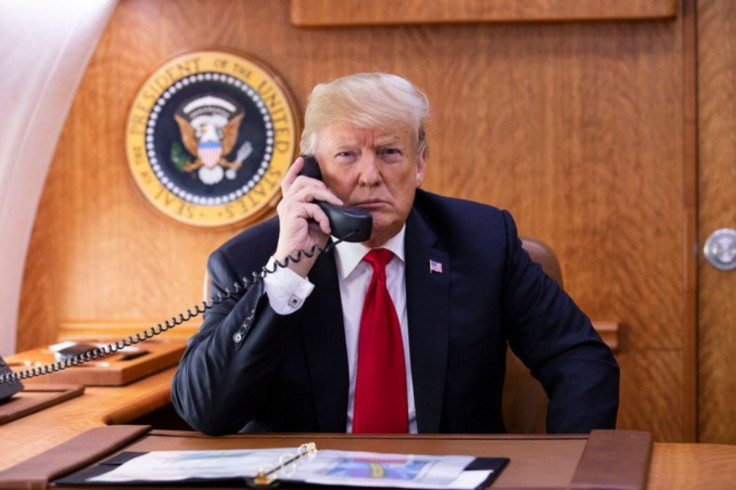
A furious battle over 37 pages of handwritten FBI notes has thrust one of the most sensitive allegations involving Donald Trump back into the spotlight.
The documents concern a woman who told FBI investigators that Trump sexually and physically assaulted her in the early 1980s, when she was reportedly between 13 and 15.
Four FBI Interviews Put the Allegations Under Fresh Scrutiny
The controversy emerged through journalist Katie Fang's lawsuit seeking the release of unredacted material from the Epstein files.
According to commentary from Status Quo host Jordan Chariton, the woman was interviewed by the FBI four times, with the first interview taking place in 2019 during the period surrounding Jeffrey Epstein's arrest and death.
The first interview focused largely on Epstein and its FBI summary was eventually made public. Three subsequent interviews concerned allegations against Trump, but their summaries were initially withheld.
The repeated interviews have become a major point of discussion because investigators apparently had information about people who the woman said could potentially corroborate parts of her account.
Journalist Ellie Leonard, discussing the records, highlighted the apparent lack of follow-up with those potential witnesses. Chariton similarly argued that repeated interviews suggested investigators considered the allegations significant enough to warrant further examination.
The allegations involving this woman should not be confused with the separate claims made by Katie Johnson, who previously accused Trump of sexual assault involving an alleged incident in the early 1990s.
DOJ Pushes Back Against Release of 37 Pages
The DOJ has argued that manually reviewing and redacting handwritten material creates additional risks of accidental disclosure. The department has also maintained that many of the notes are duplicative and that releasing them could establish a precedent requiring similar reviews across millions of pages.
According to the podcast discussion, the department told the court that the workload involved hundreds of attorneys and reviewers examining millions of pages under tight deadlines.
Chariton reacted angrily to the argument, particularly the DOJ's warning about an in-camera review by the judge.
'You should hesitate, Judge, before you order an in-camera review of these documents,' the DOJ reportedly argued.
Chariton described the position as 'mind-boggling', questioning why the government would resist judicial review of a relatively small collection of records.
Private Details Were Reportedly Left Unredacted Online
Washington Examiner reporter Kaylin Deese published material connected to the missing FBI records after the DOJ restored several previously removed documents. The discussion alleges that handwritten notes were made publicly available online in an unredacted form.
The woman, referred to as Jane Doe 4 in a civil case involving the Epstein estate, was allegedly identified by her real name in the documents. The material reportedly also contained biographical information and names of relatives and childhood acquaintances who could potentially have been witnesses.
The FBI had reportedly marked her records with a 'PROTECT SOURCE' designation, underscoring the sensitivity surrounding her identity.
According to the podcast discussion, the notes remained accessible online for months, potentially exposing information that had been removed from official FBI summaries.
The allegations have not been proven, and Trump has not been convicted in connection with them.
© Copyright IBTimes 2026. All rights reserved.