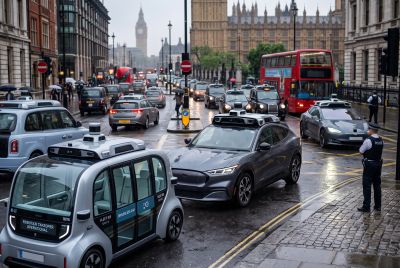
British Government Sticks with 2035 Ban on Sale of Petrol Vehicles as EU Poised to 'Water It Down'
A Downing Street spokesperson said the government remains committed to banning the sale of petrol and diesel cars from 2030
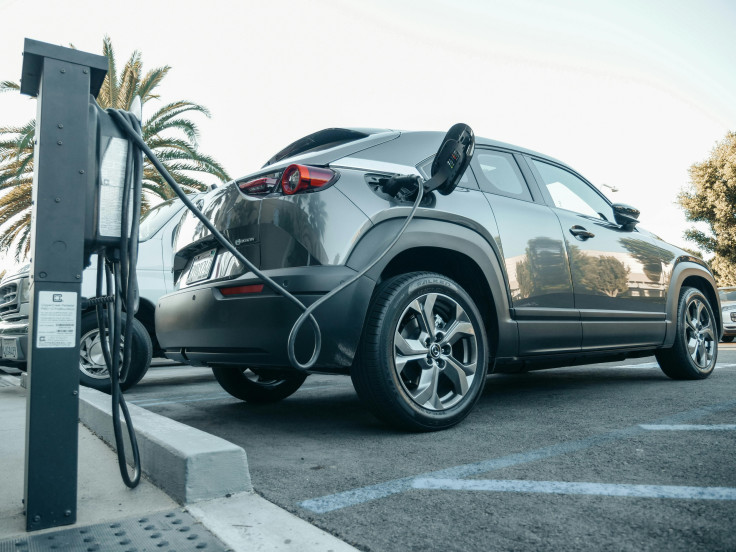
The UK government has reasserted its commitment to phasing out petrol and diesel cars in bold contrast to emerging moves in Brussels to relax similar policies. Downing Street insisted on Friday that the ban on sales of new petrol and diesel vehicles by 2030 and all non-zero emission car and van sales by 2035 remains unchanged, despite mounting industry pressure and shifting regulatory winds in the European Union.
A government spokesperson emphasised that the UK's electrification strategy would continue with robust support measures, including increased incentives for electric vehicle (EV) purchases and tightening mandates requiring a rising share of zero-emission car sales. Critics, however, warn that the divergence between Westminster and Brussels could strain the UK's automotive supply chains, given their deep integration with continental manufacturers.
Brussels Backtracks on Combustion Engine Ban
In Brussels, senior politicians have openly confirmed that the EU's flagship plan to ban sales of new petrol and diesel cars from 2035 is set to be watered down; a dramatic policy reversal that has alarmed environmental campaigners and electric vehicle (EV) proponents. Manfred Weber, president of the European People's Party, said the 'technology ban' on combustion engines would be removed, paving the way for continued production and sale of internal combustion vehicles beyond the originally envisaged deadline.
Under proposals being prepared by the European Commission for formal announcement next week, the stringent requirement that all new cars be zero CO₂ emissions by 2035 is expected to be replaced with a fleet-wide target for a 90 per cent reduction in emissions. This effectively allows advanced plug-in hybrids and other low-emission combustion technologies to remain on sale beyond 2035, albeit with carbon footprints sharply curtailed.
The policy shift comes amid sustained lobbying from automotive heavyweights and influential national capitals, notably Germany and Italy, which argue that rigid deadlines undermine competitiveness, particularly against rapidly advancing Chinese EV manufacturers. Weber and others have framed the change as a necessary defence of European jobs and industrial capacity.
Industry and Environmental Reactions
The response to Brussels' pivot has been sharply divided. Environmental groups have condemned the move as a dilution of the bloc's Green Deal, warning that it could entrench the presence of fossil-fuel vehicles on European roads for years to come and slow the broader shift to electrification.
Some EV-focused manufacturers, such as Sweden's Volvo and Polestar, have echoed these concerns, saying that rolling back the ban betrays investors who have already committed heavily to electric technology. By contrast, major carmakers including Volkswagen, Renault, Mercedes-Benz and BMW have broadly welcomed the increased flexibility, arguing that consumer demand for EVs remains uneven and that forcing a hard cutoff could distort markets and hinder growth.
For the UK, the unfolding shift in EU policy presents a complex challenge. Industry figures suggest that loosening European rules will put pressure on British policymakers to reconsider the UK's own timelines, particularly given the volume of vehicles traded across the Channel and the likelihood that production footprints will align with continental trends.
But ministers in London have so far resisted such calls, maintaining that the UK's electrification agenda remains a pillar of its broader climate strategy and economic modernisation. Whether this stance can be sustained in the face of shifting European regulations and industry lobbying will be a key test for British climate policy in the months ahead.
© Copyright IBTimes 2026. All rights reserved.
- MOST POPULAR IN National