

It's About Calories: Mavs Star Cooper Flagg Reveals Why He Eats PB&J Sandwiches During Games
The 19-year-old Dallas forward is using the calorie-dense snack as part of a broader team-supported effort to build strength during his second season
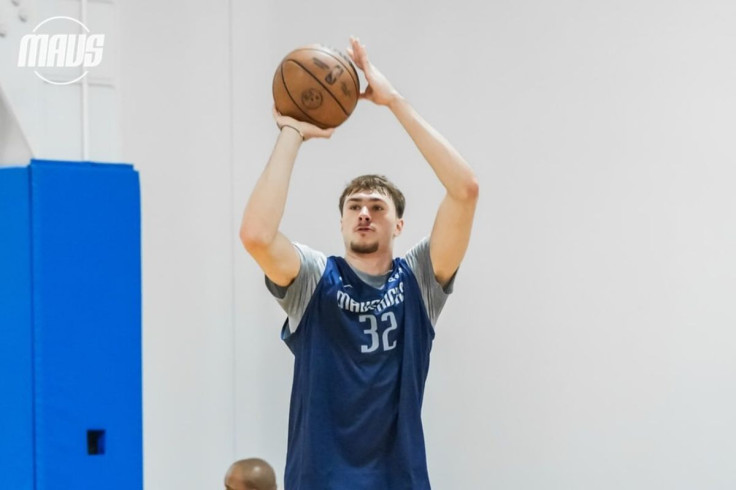
Dallas Mavericks forward Cooper Flagg has explained why peanut butter and jelly sandwiches have become part of his routine during NBA games, with the unusual courtside snack helping him consume enough calories while working to build strength.
The 19-year-old has been seen eating sandwiches on the bench during recent Dallas victories in November 2026.
The habit has attracted attention online, but it reflects a practical challenge for a young player trying to support his physical development throughout a demanding season.
Why Flagg Is Eating During Games
Flagg has indicated that the Mavericks' strength and medical staff are helping him meet his calorie requirements. Eating a sandwich during a game offers a convenient way to add energy without waiting until the final buzzer.
Cooper Flagg shares he’s eating PBJs to increase muscle mass, put on weight and sustain energy.
— Abby Jones (@_abigaiiiil) November 9, 2026
“I’ve thought about this I want to give a shoutout to our strength and medical staff, they’re the best in the business.
I’m trying to our on weight and gain muscle so that’s just… pic.twitter.com/mroEP0XYuK
Peanut butter and jelly sandwiches combine carbohydrates and fats, making them a relatively straightforward option for someone seeking additional calories. Their appearance on the Mavericks' bench, however, should not be mistaken for a universal nutritional recommendation.
There is also no confirmed requirement that Flagg eat a sandwich during every game. The available explanation points to an individual routine supported by team staff, rather than a compulsory rule imposed on the entire squad.
A Bigger Flagg Enters His Second Season
The snack has drawn particular interest because Flagg underwent a notable physical transformation before the 2026-27 campaign. He entered his rookie season weighing approximately 205 pounds, or 93 kilograms, and was subsequently listed at 228 pounds, or about 103 kilograms.
That represents an increase of 23 pounds, roughly 10 kilograms, over the offseason. Flagg also said he had grown taller, reaching six feet ten inches (208cm) without shoes.
The additional size is intended to help him cope with contact, maintain his balance and create space against NBA defenders. It does not mean that sandwiches alone caused the weight gain, which followed an offseason training programme.
Flagg's development comes after a debut campaign in which he won the NBA Rookie of the Year award and established himself as a central figure in Dallas.
What the Mavericks Are Seeing on Court
On Sunday, 8 November, Flagg scored 25 points and delivered a career-high 12 assists as the Mavericks defeated the Brooklyn Nets 130-93. He added five rebounds in 28 minutes, helping Dallas secure its second consecutive victory.
The performance offered another glimpse of his expanding responsibilities. Beyond scoring, the forward is being asked to create opportunities for teammates and influence games in several ways.
Coach Dusty May even referred jokingly to peanut butter and jelly when discussing Flagg's recent performances, before praising the broader contribution shown in his points, rebounds and assists.
The sandwiches may be an amusing sight during a professional basketball game, but their purpose is considerably less mysterious. For Flagg, the priority is maintaining the energy needed to train, compete, and continue developing physically.
Whether the routine produces measurable long-term benefits remains to be seen. What is clear is that Dallas is treating nutrition as one part of a wider effort to help its young star grow into his role.
The approach also highlights how closely NBA teams monitor young players' physical development, balancing immediate performance demands with long-term strength and conditioning goals.
© Copyright IBTimes 2026. All rights reserved.