

Toei, Dragon Ball Rights Holders Yet to Green Light €6 Billion Paris Park Despite Saudi Money, Macron Backing
Macron and Saudi Arabia back €6 billion project amid licensing uncertainty
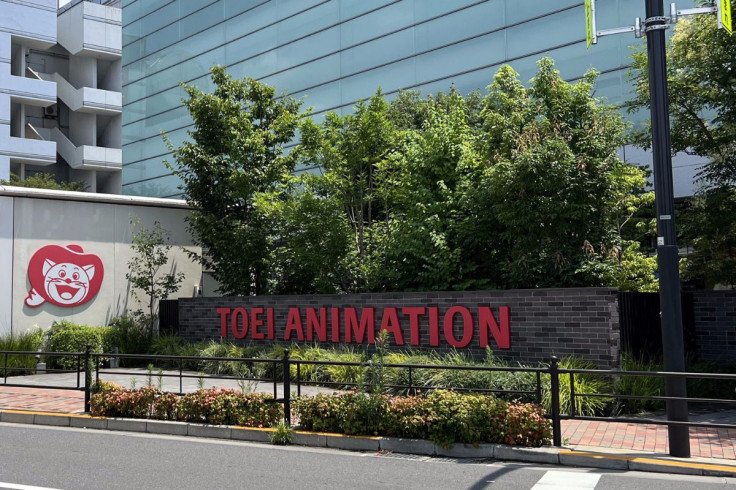
The proposed €6billion Dragon Ball theme park outside Paris still has no licensing agreement from the Japanese companies that control the franchise, despite public backing from French President Emmanuel Macron and funding from Saudi Arabia's Qiddiya group.
Toei Animation, Bird Studio and the Akira Toriyama estate have yet to approve the project, leaving a flagship announcement without the rights it needs to proceed. The deal was finalised during a meeting in Paris on 24 August 2026, yet no licensing agreement has been secured with Toei Animation, Bird Studio or the Akira Toriyama estate.
Observers suggest the resulting media coverage is intended to put pressure on the Japanese rights holders to agree terms. Critics say going public so early may already have weakened the project's negotiating position.
Rights Split Between Japanese Dragon Ball Holders
While Toei Animation is widely associated with the franchise as its original animator, the core intellectual property rights belong to Bird Studio and the Akira Toriyama estate.
Toei does hold an existing strategic relationship with Qiddiya for a separate Dragon Ball park under construction in Saudi Arabia, where Bird Studio and Shueisha are also officially credited.
However, the French announcement gave no financial details on Toei's involvement in the Paris site, nor did it confirm any licensing deal with the franchise's rights holders.
Industry observers say Japanese rights holders have in recent years been more open to overseas uses of their intellectual property. Some speculate that Crown Prince Mohammed bin Salman assumed the Toriyama estate and Bird Studio could be brought on board for the right price.
Critics say the public commitment to a multi‑billion‑euro project may instead have strengthened the rights holders' hand, giving them more leverage over any licensing deal.
Macron Hails 'Biggest' Park Project Since Disneyland Paris
Macron celebrated the announcement on social media, calling it France's biggest theme park project since Disneyland Paris opened in 1992.
The development is planned for Cergy‑Pontoise, north‑west of Paris, and is expected to create about 22,000 jobs.
With Qiddiya providing the funding, observers say France stands to gain a major investment largely financed from abroad.
The project also has a personal dimension. According to advisers and media reports, both leaders are fans of Dragon Ball Z, having grown up during the height of the franchise's global popularity. Macron was 13 and the Crown Prince 15 when the series premiered in their respective countries.
Critics Raise Human Rights Concerns and 'Parkwashing'
Saudi Arabia's involvement has also drawn criticism. Opponents point to the kingdom's record on human rights, including restrictions on women's rights and the criminalisation of homosexuality, which can carry the death penalty.
Critics have labelled the project an example of 'parkwashing', arguing that high‑profile entertainment investments are a way to soften Saudi Arabia's image abroad.
Macron's role has also attracted scrutiny. French public radio has noted that he was the first Western leader to normalise relations with the Crown Prince following the 2018 murder of Washington Post journalist Jamal Khashoggi.
Critics argue he has facilitated Saudi investment in French real estate and entertainment in exchange for capital while paying insufficient attention to human rights concerns.
Some Dragon Ball fans have also reacted with dismay to the franchise's association with the Saudi regime. They argue that Akira Toriyama's stories often centre on characters standing against tyranny and oppression. That has led some fans to question whether the late creator would have approved of his work being used in this context.
Sceptics also question whether the project will be completed, pointing to Saudi Arabia's record of announcing large‑scale developments, including the Neom 'Line' project, that are later scaled back or abandoned.
© Copyright IBTimes 2026. All rights reserved.