

Elon Musk Backs Chamath's Bold AI Thesis: Universal High Income and Optional Work
Chamath predicts AI will make expertise accessible, transforming industries and making high-quality cognitive labor affordable and ubiquitous

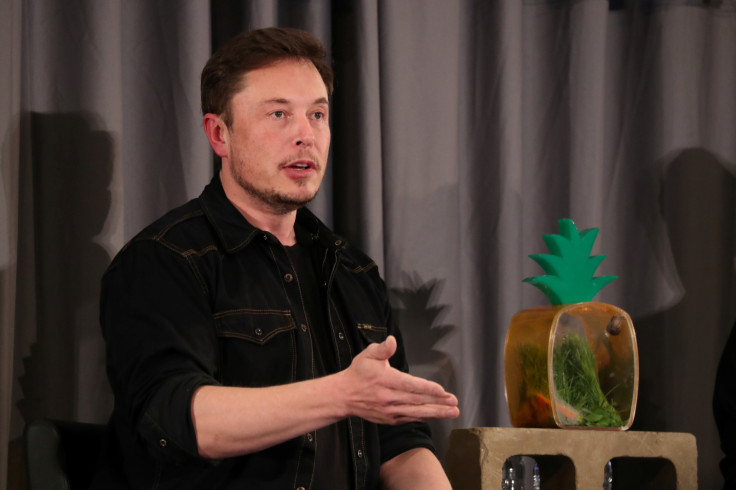
Elon Musk once again reiterated his view that AI will eliminate scarcity and make traditional work optional. In response to Chamath Palihapitiya's detailed vision of an AI future on X, highlighting the falling cost of AI and work becoming optional through renting expertise, Musk said AI combined with robots will be able to carry out all kinds of tasks.
'AI+Robots will be able to do everything, resulting in universal high income. Work will be optional.'
This statement reinforces Musk's long-held belief that AI and robots will eventually elevate the world economy by ramping up productivity while reducing errors or the need for human labor.
AI+Robots will be able to do everything, resulting in universal high income. Work will be optional.
— Elon Musk (@elonmusk) July 2, 2026
In an interview with Zerodha co-founder Nikhil Kamath late last year, Musk had stated: 'My prediction is that, in the future, working will be optional. People can play this back in 20 years and say it was wrong, but I think it will be correct.'
From 'Software Eating the World' to AI Thinking for Everyone
Chamath's essay starts with Marc Andreessen's famous 2011 prediction that 'software is eating the world,' and he believes that the upcoming technological revolution goes much further.
While the internet democratised access to information, its expertise was still scarce. For a long time, knowledge could be copied through books, but professional judgment remained expensive and scarce because it required years of training. For instance, doctors, lawyers, engineers, and financial experts represented economic bottlenecks that couldn't simply be replicated.
However, Chamath remains confident that AI is now removing that bottleneck. Instead of merely providing information, AI is increasingly playing an important role in reasoning, legal drafting, software development, medical advancements, and engineering support at a fraction of historical costs.
— Chamath Palihapitiya (@chamath) July 2, 2026
As these trends gain momentum, Chamath believes expertise along with information will become widely accessible. At that point, people could start relying on AI to perform tasks they would previously hire a professional for, potentially reshaping industries and paving the way for an economy where high-quality cognitive labor becomes inexpensive and nearly ubiquitous.
The Cost Curve That Changes Everything
Chamath also explained that the AI industry trajectory is following the same technological adoption pattern that transformed smartphones.
When the first modern smartphones launched, they were premium products affordable only to wealthy consumers. Over time, manufacturing efficiencies and technological advances pushed prices lower, ultimately placing billions of smartphones into consumers' hands worldwide.
Chamath believes AI is moving down an even steeper cost curve. Unlike smartphones, which primarily benefited from cheaper hardware, AI momentum is driven by rapid improvements in computing hardware and the rising efficiency of AI models, driving down the price of machine intelligence every day at an unprecedented speed.
In all, Musk and Chamath agree that the concerns about AI rendering people jobless is based on the assumption that there is a fixed amount of work, but this assumption has been wrong every time.
'When a valuable thing becomes radically cheaper, we do not use less of it. We use dramatically more, and we invent uses for it that were unthinkable when it was scarce. Cheap information did not end knowledge work; it created whole categories of work that could not have existed when information was expensive and slow. The scarce resource was never labor. It was the capability to turn judgment into action, and we are about to have an effectively unlimited supply of it. To be definitive, the work will not disappear,' Chamath had explained.
Musk had also stated earlier that the end result would be 'universal high income', with people no longer needing traditional employment to maintain a comfortable standard of living.
© Copyright IBTimes 2026. All rights reserved.