EU Delays All-Electric Target Until 2040 as Pressure Mounts on Labour Over Petrol Ban
Serious complications await UK car manufacturers if they push through the petrol car ban in 2030
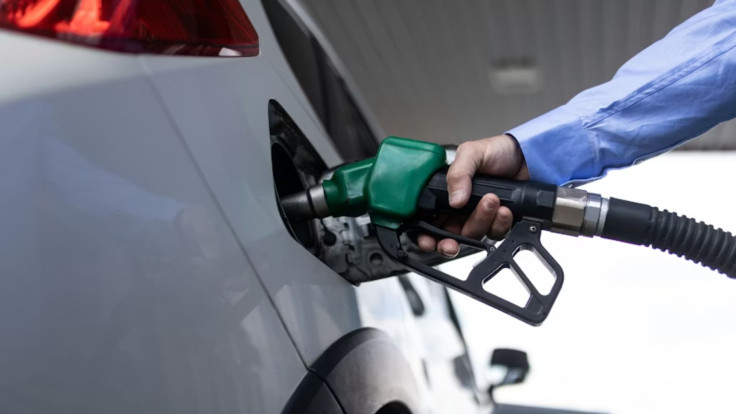
A growing chorus of voices is urging Labour Party to reconsider its plan to ban new petrol and diesel car sales by 2030. The call comes as European Union policymakers appear poised to delay their own internal combustion engine ban by five years.
According to The Times, Brussels may extend the deadline for a full electric-vehicle (EV) transition from 2035 to 2040. This potential shift places pressure on the UK's roadmap and underscores tensions between environmental ambitions and industrial realities.
In this context, proponents of a UK delay argue that keeping a rigid 2030 ban could prove disastrous for the auto industry, especially if the EU relaxes its own rules.
Why the EU Is Reconsidering the 2035 Ban
The 2035 prohibition on new petrol and diesel cars was previously considered a cornerstone of the EU's climate strategy. It was part of a broader plan for the bloc to meet its greenhouse-gas reduction targets and shift toward a net-zero future by 2050.
However, mounting pressure from some member states and industry actors is challenging that timeline. Several countries, including Germany, argue the ban should be loosened or postponed in light of economic and industrial challenges.
Supporters of a delay say that current market conditions such as slow consumer uptake of EVs, high costs, limited charging infrastructure and strong competition from outside Europe make the 2035 deadline unrealistic.
One key concern is the risk to the European automotive industry's competitiveness. Extending the deadline could give manufacturers more time to adapt, protect jobs and avoid being undercut by foreign automakers, especially those from markets with lower production costs.
Risk to the UK if It Proceeds Alone
If the EU formally extends its ban but the UK sticks to a 2030 deadline, many UK car manufacturers that export a large portion of their output to continental markets could face serious difficulties. They might be forced to operate 'dual-track' production lines: one for EVs to satisfy domestic rules and another to produce petrol/diesel or hybrid cars for export.
Critics argue this scenario could raise costs, reduce investment incentives and destabilise the industry. One UK industry voice summarised the problem as follows: pushing ahead with a strict ban now would mean 'destroying our automotive industry and the whole supply chain.'
There are also strategic concerns about relying heavily on battery supply chains dominated by non-European actors. Some warn that a rushed shift to EVs, without adequate infrastructure and supply-chain support, could result in European auto firms losing their competitive edge globally.
Broader Climate- and Economic-Policy Implications
Delaying the transition to electric vehicles could have wider consequences. According to recent academic research, slower decarbonisation of road transport including delays in banning combustion-engine vehicles may significantly raise the costs of emission reduction overall. It could also force other sectors to offset the gap, increasing the pressure on industrial and energy transitions elsewhere.
In contrast, sticking to earlier deadlines and accelerating the adoption of EVs and alternative fuels could make achieving broader emissions targets more cost-effective and reduce long-term reliance on carbon removal measures.
Consequently, decisions made now by Brussels and London could shape whether Europe meets its climate goals or ends up locked into an extended period of transitional emissions.
What Happens Next
A key moment is approaching. The European Commission reportedly plans to unveil a support package for the auto industry on 16 December. Some elements of this package may include revisions to the 2035 combustion-engine ban, although the timeline may shift.
As that decision looms, voices calling on Labour to delay the UK's own ban are likely to grow louder. The question is whether London and Brussels will move in tandem or whether diverging timelines will reshape the European auto industry's future.
© Copyright IBTimes 2026. All rights reserved.
- MOST POPULAR IN National