

Florida Woman Faked Cancer, Shaved Her Head, and Collected $40K From Neighbours: What Exposed Her
Donations were received as cash, personal checks, and through a GoFundMe linked to her bank account
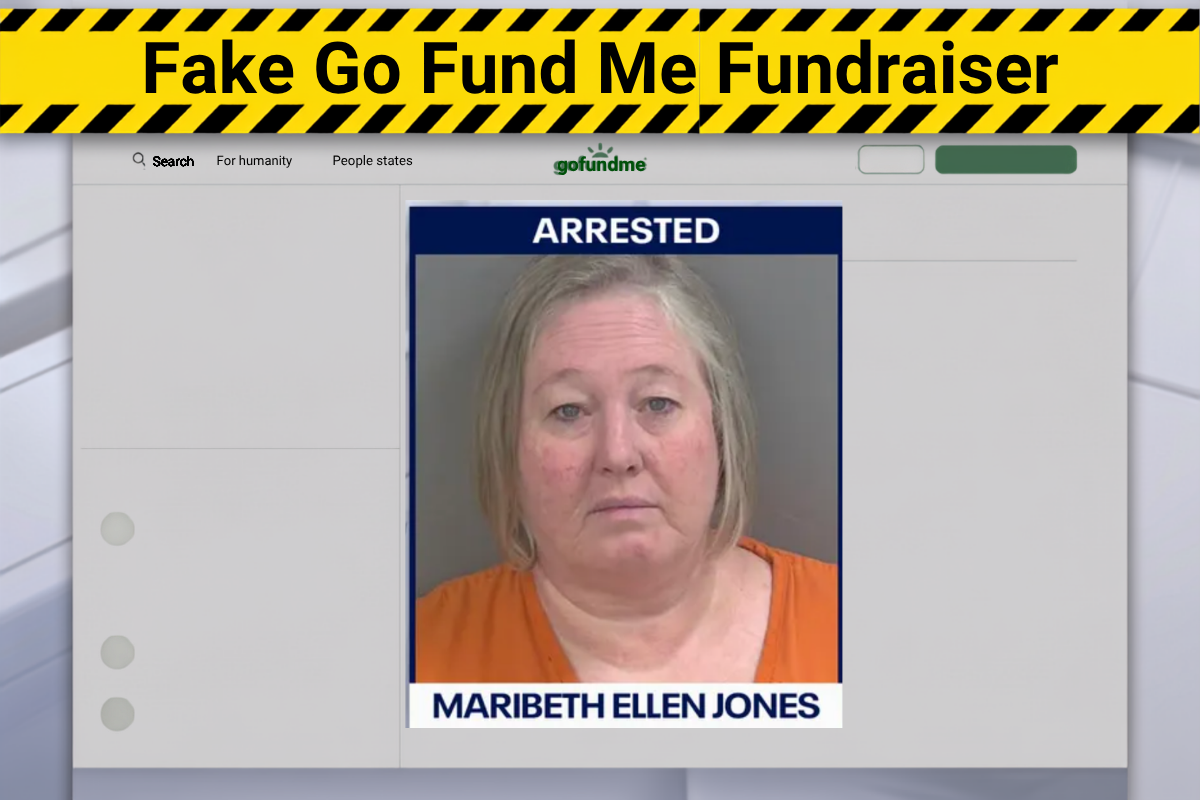
A Florida woman had neighbours cut her hair to make it look as though she were preparing for chemotherapy. For over two years, 238 residents of her community gave her more than $40,000 (£29,600).
Maribeth Ellen Jones, 51, of Bonita Springs, surrendered at the Naples Jail Center on 5 August and was charged with grand theft of between $20,000 and $100,000 (£14,800 and £74,100), a second-degree felony.
The Collier County Sheriff's Office says she worked as activities director at Winding Cypress, a residential community in Naples, and told residents between 2022 and 2024 that she had cancer and was undergoing treatment.
The money went on personal debts, according to the sheriff's office. Donations arrived in three forms, with residents handing over cash, writing personal cheques, and paying into a GoFundMe page that was linked to her own bank account.
How the Fake Cancer Claim Survived Two Years
Detectives say Jones worked to make the account believable, telling residents that her condition was worsening as the months went on.
Kay Ballard, who has lived at Winding Cypress for nearly 10 years and helped hire Jones, gave $100 (£74). For Ballard, the deception cut deeper because her own husband had died of cancer.
What eventually troubled her was something plainly visible, and she raised it with WINK News: 'She's gained weight, and that's not usually what happens when somebody's going through chemo.'
Detectives found that Jones had been the beneficiary of two earlier GoFundMe campaigns in which she also claimed to have cancer.
Sheriff Kevin Rambosk called it an appalling case that exploited the kindness of people who believed they were helping someone fight for her life. Fraud of that kind, he said, also undermines trust in legitimate fundraisers set up for people who genuinely need the money.
What the GoFundMe Giving Guarantee Covers for UK Donors
GoFundMe removed the fundraisers and banned Jones from raising money on the platform again. More than $41,000 (£30,400) was refunded to donors under the company's Giving Guarantee. A spokesperson said the company has 'zero tolerance' for misuse of the platform.
The refund is larger than the sum in the charge, because GoFundMe's figure covers donations made through the platform across the fundraisers it removed, while the $40,000 in the charge spans cash, cheques, and online giving together. The sheriff's office has not said how much came through each channel.
The GoFundMe protection is not limited to the United States, because under the policy, which took effect on 24 September 2025, a donation is covered wherever it is given from, which brings British donors inside it. Donations of any size qualify, and beneficiaries are separately guaranteed the money raised on their behalf.
The guarantee is not open-ended: a donor has one year from the date of the donation to file a claim, after which it no longer applies. The company's trust and safety team investigates each claim, decides at its own discretion whether funds were misused, and processes approved refunds within three to 10 working days.
Money given off the platform is excluded outright, which leaves the cash and personal cheques handed to Jones beyond the reach of any refund.
The sheriff's office has not said whether that money can be recovered from the scam, and it has neither dated nor valued the two earlier campaigns. Jones has not entered a reported plea, no lawyer has been publicly identified for her, and she is due back in court on 31 August.
Authorities are urging donors to verify a fundraising story before giving, checking whether the claims can be independently confirmed and looking for updates or documentation showing how the money is being used.
Pressure to donate immediately should be treated as a warning sign, and where possible, donors should give directly to the person, their hospital, or a verified charity.
© Copyright IBTimes 2026. All rights reserved.