

Who Is Elaine Angene Escoe? FBI Most Wanted $32M COVID Fraud Suspect Captured in Jamaica
Elaine Angene Escoe faces charges in a $32 million pandemic relief fraud case
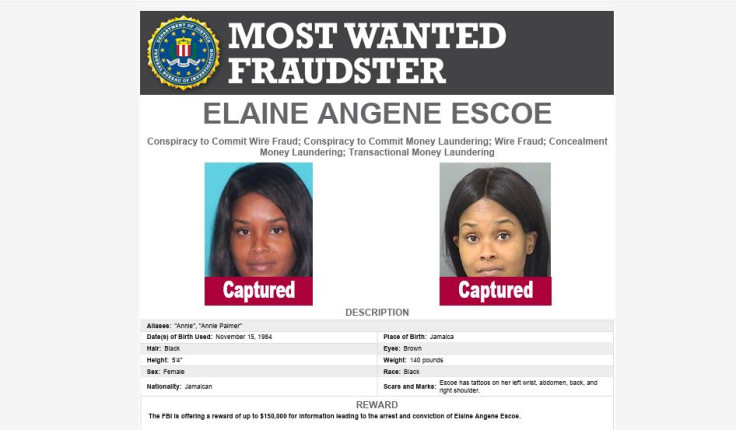
One of the FBI's most wanted alleged COVID-19 fraud fugitives is back in the United States after more than a year on the run, bringing renewed attention to one of the largest pandemic relief fraud cases still awaiting trial. Elaine Angene Escoe, 41, was arrested in Jamaica and returned to South Florida to face charges linked to an alleged $32 million scheme that prosecutors say siphoned taxpayer-funded COVID-19 relief money away from businesses that genuinely needed it.
The arrest is significant not only because Escoe had been placed on the FBI's 'Most Wanted Fraudsters' list, but also because she was the final remaining defendant in the alleged conspiracy who had not yet been brought before a US court.
Federal court records show she failed to appear for a scheduled court hearing in May 2025, triggering an international search that eventually led investigators to Jamaica.
US officials hailed the capture as another milestone in a broader crackdown on pandemic-related fraud. Acting Attorney General Todd Blanche said those accused of exploiting emergency relief programmes would be held accountable no matter how long it takes or where they attempt to hide, while FBI Director Kash Patel described the arrest as the latest success in an international effort targeting high-value fraud suspects.
Elaine Angene Escoe's Early Life Remains Largely Private
Despite the international attention surrounding her arrest, little has been publicly disclosed about Elaine Angene Escoe's early life.
Federal court records identify Escoe as a 41-year-old Jamaican national. Previous FBI notices state that she was born in Jamaica before later living in Palm Beach County, Florida, where investigators say much of the alleged fraud operation was based. Public records provide few verified details about her upbringing, education or professional background before the criminal investigation began.
Instead, nearly all publicly available information focuses on the federal allegations surrounding the COVID-19 relief programmes rather than her personal history.
Prosecutors Say Escoe Helped Orchestrate a $32 Million COVID-19 Fraud Scheme
According to the US Department of Justice, Escoe and five co-defendants allegedly submitted more than 90 fraudulent applications between May 2020 and November 2021 across several pandemic assistance programmes.
The applications sought funding through the Paycheck Protection Program, Restaurant Revitalization Fund, Shuttered Venue Operators Grant programme and Economic Injury Disaster Loan programme. Prosecutors allege the group falsely claimed businesses had legitimate payrolls, revenues and operations in order to secure government-backed loans and grants.
Investigators further allege the conspirators created fabricated tax returns, forged bank statements and other false financial records to support the applications. Some filings allegedly involved companies controlled by members of the conspiracy, while others were submitted on behalf of third parties in exchange for kickbacks that sometimes reached half of the loan proceeds.
Authorities claim the fraud generated more than $32 million in federal funding before the money was allegedly laundered among members of the group.
The case has become one of many high-profile prosecutions stemming from widespread abuse of emergency COVID-19 relief programmes introduced during the pandemic.
How a $32 Million Fraud Charge Became an International Manhunt
Federal prosecutors charged Escoe by indictment in 2025 with conspiracy to commit wire fraud, conspiracy to commit money laundering, multiple counts of wire fraud and multiple money laundering offences.
However, the case took an international turn when she failed to appear for a scheduled federal court hearing in June 2025. A judge had already issued an arrest warrant, and investigators say she fled the United States before authorities could take her into custody.
Her disappearance prompted the FBI to add her to its newly created Most Wanted Fraudsters list and offer a reward of up to $150,000 for information leading to her arrest and conviction. Authorities identified aliases including Annie and Annie Palmer during the search.
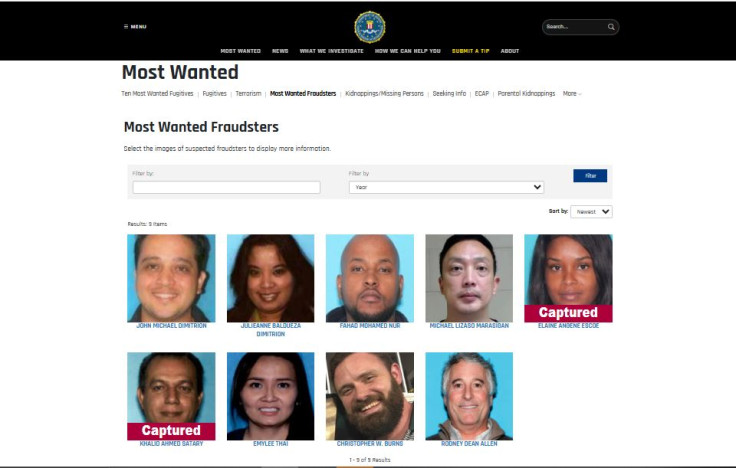
The case attracted widespread attention as a test of whether international cooperation could catch high-value fraud suspects who cross borders.
Tip-Off Led Authorities to Jamaica Arrest and Extradition
The year-long manhunt ended after investigators received information about Escoe's whereabouts in Jamaica.
According to the Department of Justice, Jamaican authorities arrested Escoe after acting on intelligence developed by the FBI. FBI Director Kash Patel later said she had allegedly been living under the false identity Harley Newman while hiding on the island.
Her return to the United States involved a coordinated operation between the FBI, US Marshals Service, Diplomatic Security Service at the US Embassy in Kingston, the Jamaica Constabulary Force and the Jamaica Fugitive Apprehension Team.
Officials said Escoe's arrest marked the fourth capture from the FBI's Most Wanted Fraudsters initiative within five weeks, underscoring an intensified campaign against alleged large-scale financial criminals.
Trial, Prison Time and the End of a Pandemic-Era Manhunt
Escoe has now been returned to the Southern District of Florida, where she is expected to face the federal charges outlined in the indictment.
As with any criminal defendant, the allegations remain unproven until tested in court, and she is presumed innocent unless and until convicted.
The Justice Department has said Escoe is the final defendant charged in the alleged conspiracy to be brought before the court, meaning prosecutors can now proceed with the remaining stages of the case. If convicted, she could face significant prison time because the indictment includes multiple fraud and money laundering charges tied to millions of dollars in alleged losses.
Beyond Escoe herself, the prosecution reflects the US government's continuing pursuit of pandemic-era fraud cases years after COVID-19 emergency programmes ended. Officials argue that recovering stolen public money and prosecuting those accused of exploiting emergency aid remain priorities, particularly in cases involving millions of dollars intended to support struggling businesses during one of the most challenging economic periods in recent history.
© Copyright IBTimes 2026. All rights reserved.