

France Riots: Interior Minister Admits Police 'Lost Control' as Curfews Loom
Lecornu says emergency remains possible after unrest injured 1,000 police and damaged several firms
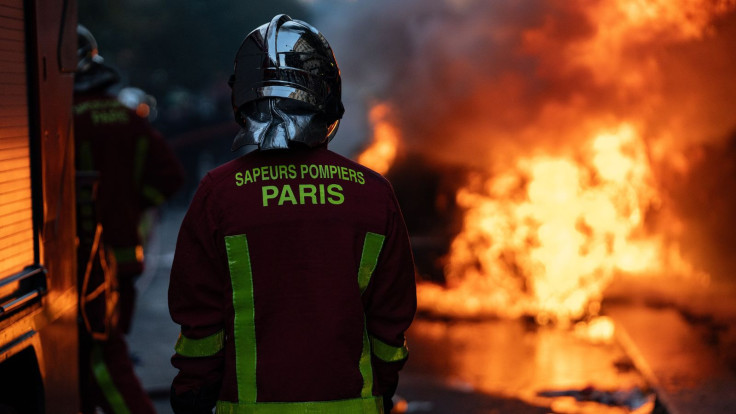
Police in parts of France 'lost control' during a weekend of riots, looting and arson that left nearly 1,000 officers injured and more than 2,400 people arrested, the interior minister has admitted, as the prime minister ordered targeted curfews and warned that a state of emergency remains on the table.
French Prime Minister Sébastien Lecornu announced the curfew measures on Monday, 19 October, after an emergency meeting with senior officials. The restrictions are intended to be limited and localised, rather than a nationwide curfew. Authorities had not yet confirmed every area affected, while Lecornu said a state of emergency remained an option if the situation required it.
The unrest followed nationwide demonstrations on Saturday, 17 October, over rising living costs and poor conditions in schools. What began as a protest movement involving students and other demonstrators escalated in some cities into clashes, looting and attacks on public buildings.
Interior Minister Concedes Police Were Overwhelmed
Interior Minister Laurent Nuñez said police had been overwhelmed in some locations because preparations had not adequately anticipated the scale and intensity of the violence. His admission came as President Emmanuel Macron demanded a review of security planning and intelligence procedures.
Nuñez had offered to resign over the response, but Macron rejected the offer on Monday, saying continuity in the chain of command was important during the crisis. The decision leaves the interior minister responsible for overseeing the police response as officials attempt to prevent further disorder.
The latest reported figures put arrests at around 2,400, while nearly 1,000 police officers and gendarmes were reported injured, seven of them seriously. The figures were reported by French authorities and may change as investigations continue.
Government Points Finger at 'Ultra-Left' Groups
Lecornu blamed what he described as an 'ultra-left' movement and alleged that organised groups intended to exploit the unrest ahead of the next presidential election. The claim of an organised effort to disrupt the election remained an allegation, rather than an independently established finding.
Macron also condemned the violence, while distinguishing between demonstrators with legitimate grievances and those who looted shops or attacked public buildings. He said those responsible for destruction would be held accountable.
The government's handling of the demonstrations has faced criticism, including questions about police preparation. The admission that officers lost control in some cities has intensified scrutiny of whether authorities underestimated the size of the crowds and the risk of violence.
Historic Town Hall Gutted by Fire
Limoges suffered some of the most serious damage. A fire tore through the city's 19th-century town hall during Saturday's unrest, causing the roof to collapse and leaving the building nearly destroyed.
Other cities also reported damage. In Lyon, the tourist office was set alight, while public buildings in Marseille were attacked or vandalised. The incidents added to pressure on the government to restore order and protect local services and businesses.
Authorities estimated that at least 3,000 businesses had been damaged or looted during the unrest. That figure combines different types of damage and should not be read as meaning every business was looted.
Targeted Curfews as Authorities Brace for More Unrest
Lecornu said the curfews would be targeted at areas where local authorities considered them necessary. A state of emergency has not been declared. Any further restrictions will depend on assessments by the government and local prefects as officials review the security response.
The demonstrations drew hundreds of thousands of people across France. Authorities estimated turnout at about 550,000, while organisers put the figure higher, at around 800,000. Most participants were not reported to have taken part in the violence, and the protests reflected wider frustration over living costs and public services.
The unrest has left the government facing two linked challenges: preventing further attacks and addressing the grievances that brought large crowds onto the streets. The immediate test will be whether targeted curfews and revised security measures can contain further violence without treating peaceful demonstrators as responsible for the actions of rioters.
© Copyright IBTimes 2026. All rights reserved.