

Pavan Agarwal's Drive to Reinvent Sun West Began With His Father Hari Agarwal
A founder's decision to give his engineer son responsibility illustrates how family businesses can combine succession planning with practical innovation
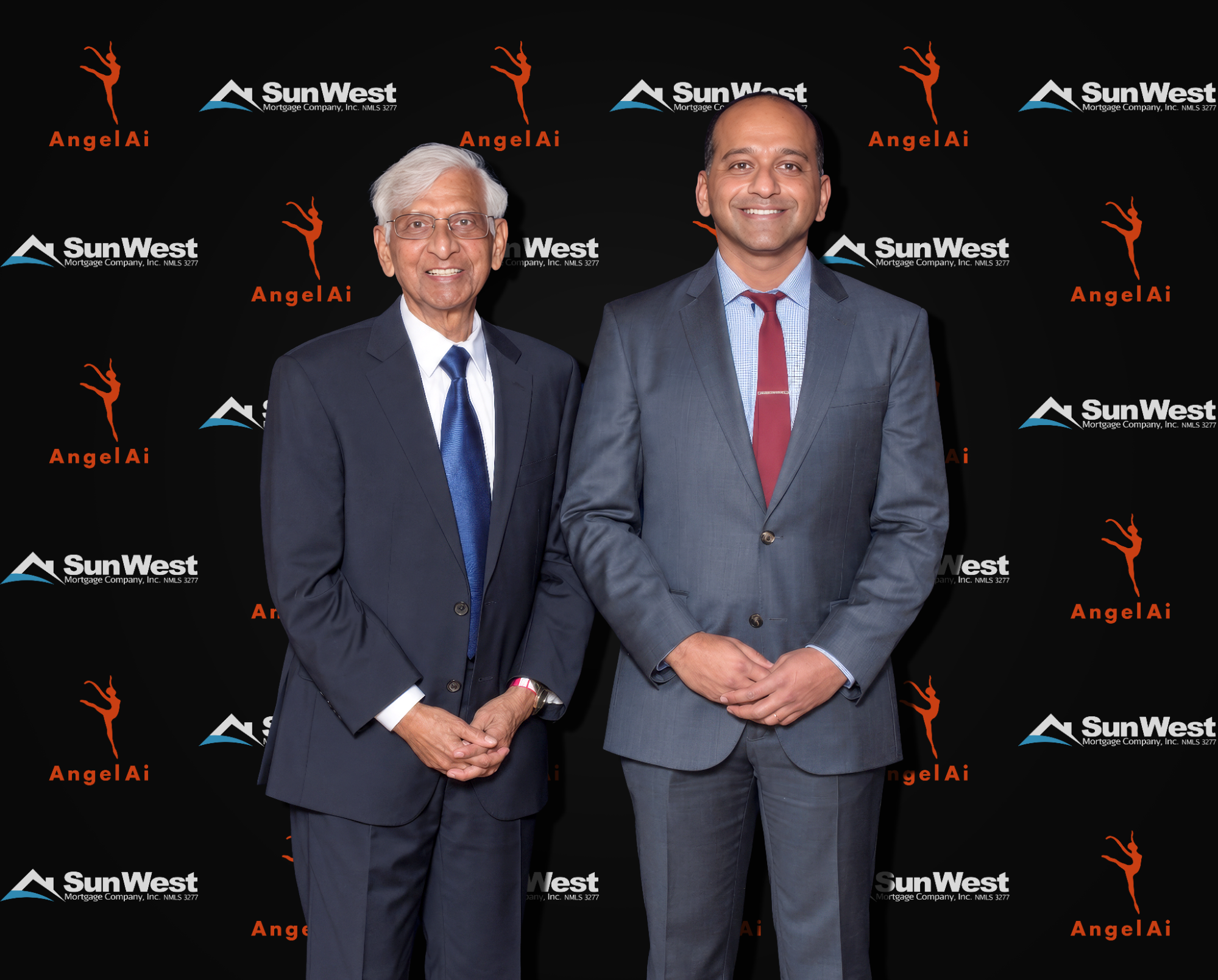
Hari Agarwal could see possibilities for Sun West Mortgage Company, Inc. (NMLS 3277) that he needed his son's technical knowledge to pursue. Pavan understood computers. His father understood the business he wanted them to improve. Their collaboration gave a young engineer something unusually valuable: a place to apply his abilities to problems that already mattered.
Years later, Pavan described that relationship to National Mortgage Professional. Hari had encouraged him to help modernise the company, recognising that implementing his ideas required expertise beyond his own. Pavan called it 'a natural progressive hand-off.' The invitation to change the business came from the man who had founded it.
For family companies considering their next generation of leadership, that detail has particular relevance. PwC's October analysis of succession examines how transitions can create opportunities for innovation and growth. It places preparation, shared expectations, and the next generation's contribution among the central questions facing business families.
The Agarwals' experience offers a unique perspective on that discussion: a founder making room for a capability his company needed.
Pavan's own recollection of an early computer purchase gives the relationship a tangible form. Hari bought an Epson QX-10 and assigned his son to program it to calculate annual percentage rates and produce lending disclosures. According to Pavan, the machine cost $4,000. The assignment connected an interest in programming with a defined responsibility inside the mortgage business.
A task like that supplies its own test. The calculation has to work, and the output has to serve the people handling the loan. Technical curiosity encounters a deadline, an operating requirement, and someone waiting to use the result. For a young person learning to build software, the business provides a demanding education in what makes a solution useful.
Hari's contribution began before any code was written. He identified work that could be improved, committed money to the equipment, and trusted Pavan with the implementation. The arrangement gave each generation a substantive role. An established operator could articulate the need; an emerging engineer could explore how to meet it.
This kind of collaboration also gives a successor a way to develop credibility through contribution. Responsibility becomes attached to something the business can evaluate. Colleagues can see whether a process improves, and the person building the solution learns to account for the experience of those using it. Authority develops alongside familiarity with the work.
Pavan's later career has continued to connect lending operations with technology development. As Sun West's chief executive officer and the founder of Celligence LLC, the company behind AngelAi®, he works across both disciplines.
His public biography describes an ongoing effort to improve operations and the customer experience through engineering. The connection between the financial task and the system performing it remains central to his work.
Keeping that connection intact becomes more difficult as a company grows. Developers can become separated from the customers affected by their decisions. Feedback may reach them through summaries that omit the hesitation, confusion, or unexpected question that made an interaction difficult in the first place.
Pavan has described a practice intended to maintain that contact. In an April 2026 Fast Company essay, he wrote about engineers participating in support days, working directly with customers using the programs they created. Those encounters allow developers to see how their design choices function in actual use.
There is a recognisable continuity between that practice and the early programming assignment. Both place technical work close to the people who depend on it. The scale and sophistication have changed, while the business continues to supply the questions the technology must answer.
For a founder, encouraging such change requires confidence in someone else's ability to contribute. For a successor, it requires understanding enough of the existing business to know where a new approach can help. A productive relationship depends on both kinds of knowledge finding expression in the same project.
Hari and Pavan's story gives substance to a subject often described broadly as legacy. Here, it can be traced through a purchase, an assignment, and the room a father made for his son's expertise. Hari's influence survives in the development of a company he encouraged Pavan to improve.
The early computer belongs to Sun West's history. The question behind it remains relevant to the business Pavan leads: what could work better, and who has the ability to make it happen?
© Copyright IBTimes 2026. All rights reserved.