Senator Kennedy Says Jack Smith Makes Him 'Want to Throw Up' in Clash Over Republican Senators' Phone Records
Smith insists lawmakers' call logs showed only who rang whom, but a July referral alleges he lied to Congress
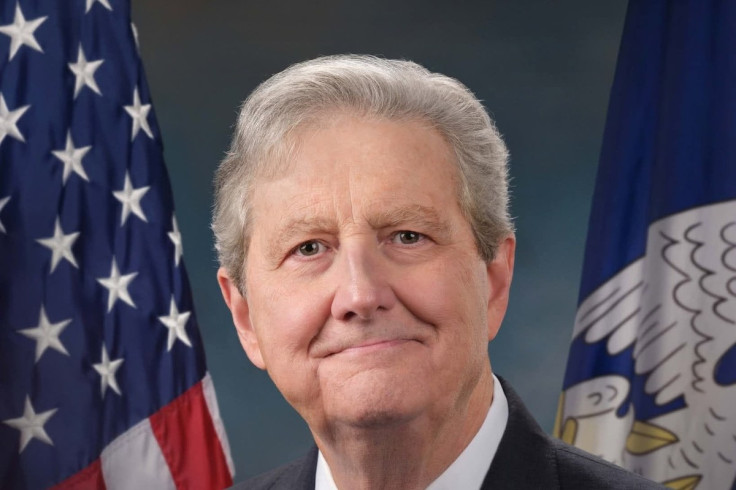
Republican Senator John Kennedy told former special counsel Jack Smith, 'You make me want to throw up in my mouth.' The Louisiana senator spoke on Tuesday 29 September before the Senate Judiciary Committee. He accused Smith of breaching the Speech or Debate Clause, which shields lawmakers' legislative acts from questioning elsewhere, by seeking Republican senators' phone records.
Smith denied any breach, calling the senators' toll records non-content records. Those logs show who called whom and for how long, not what anyone said. The row matters because House Judiciary Committee Chairman Jim Jordan referred Smith in July to the Justice Department for prosecution over testimony about those records.
What Kennedy Asked and How Smith Answered
Kennedy asserted, without citing public evidence, that Joe Biden's White House told Merrick Garland, then attorney general, to charge President Donald Trump. Smith said he did not know, and Kennedy asked whether Smith believed in the tooth fairy. Smith confirmed the senators' logs he sought belonged to Republicans. Kennedy said Smith never told James Boasberg, Washington's chief federal trial judge, that the records covered lawmakers.
Smith's secrecy orders, or non-disclosure orders, barred phone companies from telling lawmakers about the subpoenas. Smith replied that his team did not tell Boasberg when it sought the orders. Senator Dick Durbin of Illinois, the committee's top Democrat, asked the chairman to let Smith finish answering. Durbin said, 'This hearing is of constitutional and historic importance.' Chairman Chuck Grassley then cut Kennedy off.
Four Committee Members Among the Targets
Four current committee Republicans were among the targets: Mike Lee, Josh Hawley, Ted Cruz, and Marsha Blackburn. Grassley said Smith sought call logs for 16 members of Congress, and argued that obtaining lawmakers' messages violated the clause. Smith's lawyers say the logs covered 4 to 7 January 2021, around the Capitol riot. Justice Department files the committee released in July show Smith's team obtained text messages from 44 members of Congress, including Republicans and Democrats.
Smith said his team asked the Justice Department's Public Integrity Section, which handles cases involving officials, whether the subpoenas were proper. According to Smith, the logs showed Trump and allies contacting lawmakers while trying to delay certifying the 2020 election. The secrecy orders came, Smith added, from fear that Trump and the president's associates would obstruct the inquiry, not from suspicion of any member of Congress.
What Comes Next for Smith
The records row has already produced a criminal referral. The July referral accuses Smith of making false statements to Jordan's committee about the records in a closed-door deposition in December 2025. Smith's lawyers deny the accusation, and Trump said Smith should face prosecution.
Trump pleaded not guilty in both of Smith's cases, over classified documents and the 2020 election, and denies any wrongdoing. Judge Tanya Chutkan in Washington dismissed the election case in November 2024 at Smith's request, while Judge Aileen Cannon in Florida had dismissed the documents case in July 2024; prosecutors dropped their appeal after Trump's election victory. Smith said threats of prosecution would not silence him, and that his inquiry gathered proof beyond reasonable doubt that Trump committed serious crimes.
© Copyright IBTimes 2026. All rights reserved.
- Recommended For You