

Man Says Changing His African Name on His Résumé Helped Him Finally Get Hired: 'Mwangi' to 'James'
How a name change helped a Kenyan immigrant secure employment in Canada
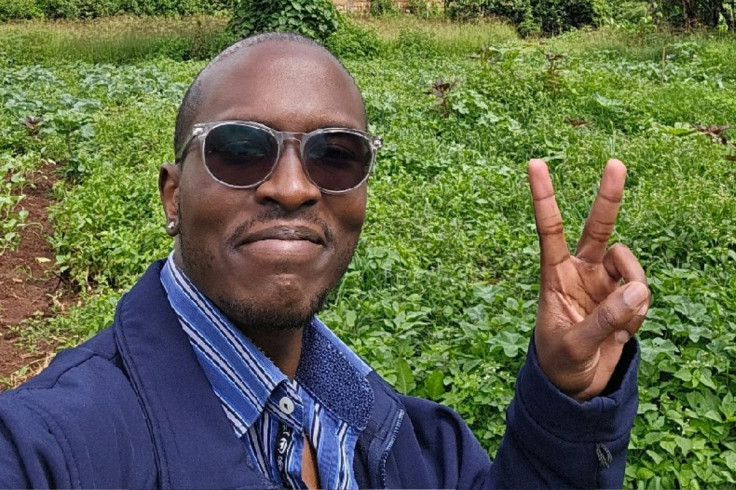
A 28-year-old Kenyan living in Canada says changing his African name on his résumé to 'James' was what finally helped him get hired after months of silence from employers. Mwangi Wanjau's story, which recently resurfaced online, has reignited debate about workplace bias and the pressure on immigrants to alter their names to secure work.
The conversation stems from a previously published interview that has gained renewed traction on social media, resonating with professionals who have ethnic names. Wanjau shared that after facing months of rejection, changing his African name on his résumé led to a noticeable increase in recruiter callbacks and a university administration role.
Navigating Corporate Bias With an African Name on a Résumé
Wanjau relocated from Nairobi to western Canada in 2016 to pursue a mathematics degree. As a member of the Kikuyu tribe, his given name was common at home but stood out in North America. He noted that people in his university classes frequently struggled to pronounce or remember it, leaving him feeling like an outsider.
To blend in with his peers in a predominantly white city, he began introducing himself as James, his grandfather's name, and softened his accent to sound more local. He stated this was a survival mechanism to avoid being perceived as uneducated.
The Career Impact of Altering an African Name on a Résumé
After graduating and working in customer service, Wanjau sought professional roles using his birth name. Despite having work experience, five months passed with minimal response. Acting on advice from his barber, he adjusted the top of his application to read James M. Wanjau.
The change yielded positive results, with recruiters suddenly able to recall his details more easily.
By May 2024, the adjusted application strategy helped him land an admissions coordinator position at his former university.
However, operating under two identities took a toll. Wanjau described feeling like two different people, reverting to Mwangi with friends but adopting a commercial persona during business hours.
A workplace belonging survey eventually pushed him to abandon the Westernised moniker. When starting a new role at the same institution in the spring of 2025, he officially reclaimed his birth name, deciding that overcoming systemic bias required refusing to hide.
Online Reactions To Modifying an African Name on a Professional Résumé
As the interview circulated again this year, it drew varied reactions from internet users who relate to the pressure to assimilate. One commentator pointed out the recurring hurdle, stating, 'Unfortunately, this is what Black people has to go thru when dealing with Westerners.'
They added that individuals wanting to fit in and get a job usually must have a baptism name, noting that unique identifiers can hinder job prospects.
Conversely, another reader argued that altering identifiers is a historic practice dating back to the Ellis Island immigration waves.
They explained, 'Those who arrived here and chose to, did it as a form of respect for their newly adopted country.' The user noted they felt comfortable changing their name to reflect their surroundings, adding, 'I did, and have no regrets whatsoever.'
Meanwhile, a different user referenced academic literature, pointing to a well-known 2003 Bertrand and Mullainathan study on workplace discrimination. 'The statistical data showed that the identical application with a western name received a call back 50 per cent more,' the netizen shared online.
They concluded that numbers do not lie regarding hiring bias. Today, Wanjau insists on using his given name in all settings, choosing to present his authentic self in the workplace despite ongoing challenges in the North American job market.
© Copyright IBTimes 2026. All rights reserved.