Nearly Half of Younger Protestant Churchgoers Say Culture Change Makes Some Biblical Truths 'Obsolete'
Lifeway Research found that 54% of US Protestant churchgoers aged 18 to 29 agreed some biblical truths become obsolete as culture changes, while most respondents across all ages disagreed

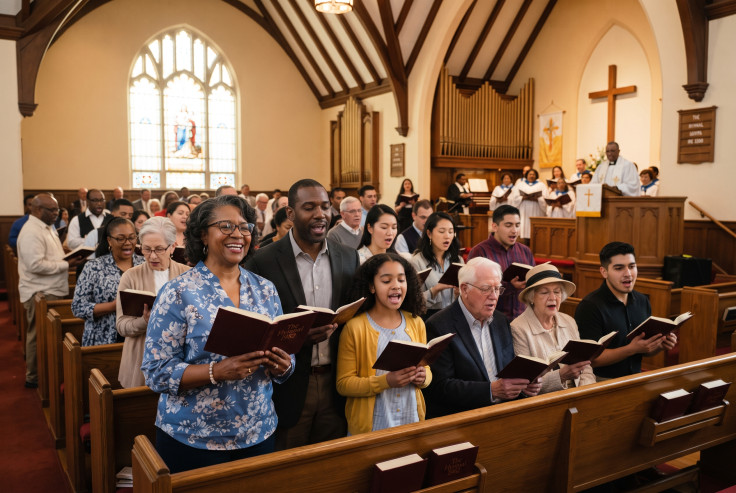
More than half of US Protestant churchgoers aged 18 to 29 agreed that some biblical truths become obsolete as culture changes, according to Lifeway Research findings published on 22 September.
The 54% who agreed represented the highest share of any age group in the survey. Lifeway questioned 1,200 adults who identified as Protestant or non-denominational and attended religious services at least once a month.
Lifeway conducted the online survey from 2 to 7 September 2025. Lifeway compared its findings with a separate survey of 1,002 churchgoers conducted in September 2019 using the same methodology.
The question asked whether respondents agreed with the statement, 'As culture changes, some biblical truths become obsolete.' It did not ask which teachings they had in mind or why they held that view.
The findings describe the answers of monthly churchgoers, rather than the views of all young adults or all Protestants in the US.
Age Divide in Views on Biblical Truths
Agreement with the statement was 40% among respondents aged 30 to 49, 19% among those aged 50 to 64 and 13% among those aged 65 or older. Lifeway said margins of error were higher for age subgroups than for the full sample, a consideration when comparing the figures.
Across all respondents, 28% agreed that some biblical truths become obsolete as culture changes, up from 24% in the 2019 survey. In the latest survey, 66% disagreed and 6% were unsure. The two surveys questioned different people, so their results do not track changes in individual respondents' beliefs.
A separate statement asked respondents whether they accepted some truths from the Bible but found that others did not fit what they believed. Among 18 to 29-year-olds, 56% agreed. Across the full sample, 34% agreed, compared with 30% in 2019.
Those questions address related but distinct views. Disagreeing with a teaching does not necessarily mean someone thinks cultural change has made it obsolete. The published findings do not identify the teachings respondents had in mind or explain why they answered as they did.
Another statement said, 'The truth of God's word can mean different things to different people.' Agreement was 87% among respondents aged 18 to 29 and 82% across the full sample. That response does not establish what each participant meant by 'different things' or whether they considered a passage untrue.
Protestant Churchgoers Report Valuing Scripture
Results for the full sample also show substantial interest in reading the Bible. Some 95% agreed that they enjoyed exploring a passage of Scripture to understand its meaning. Separately, 92% said it was important to apply Scripture's meaning and principles to today's context, while 96% said it was important to understand the context in which the Bible was written.
These are full-sample figures. They should not be presented as findings specifically about churchgoers aged 18 to 29. Nor do the published percentages show how particular individuals answered every question about interpretation, belief and reading.
In another question, 91% of all respondents agreed that when reading a passage on their own, they could usually understand its relevance to them. Yet 56% agreed that they found it challenging to make sense of the Bible when reading alone. The survey recorded self-reported views; it did not ask respondents to demonstrate their understanding of a passage.
Scott McConnell, Lifeway Research's executive director, offered a theological response to the finding about obsolete truths. 'The concepts in any other book will show signs of age requiring new editions,' he said. He argued that the Bible's source and its truths do not change.
Lifeway used a pre-recruited online panel and applied quotas and weighting to balance demographic groups. It said sampling error from the panel did not exceed 3.2 percentage points for the full sample and that the margin was higher for subgroups. That qualification matters when assessing the figures for the youngest respondents.
© Copyright IBTimes 2026. All rights reserved.
- Recommended For You