Ms Rachel Calls Out Ed Sheeran Over Macklemore Tour Drop: 'Silence During a Genocide Is Not Neutral'
Ms Rachel accused Sheeran of staying silent over Gaza and said he had 'caved'
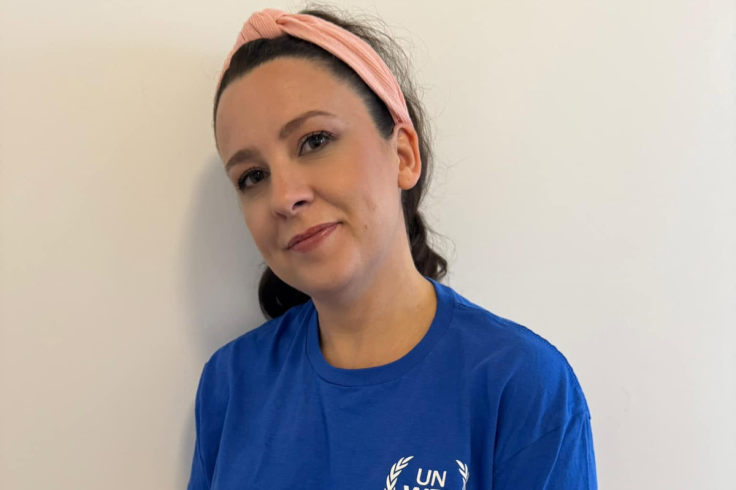
Children's entertainer Ms Rachel has publicly criticised Ed Sheeran after Macklemore was dropped from the remaining US dates of the singer's tour. She accused the pop star of failing to speak out over the war in Gaza as the fallout from the rapper's pro-Palestinian performances continues.
Her comments add to the growing debate over how artists respond to political issues on stage, particularly when those remarks lead to pressure from promoters and venues.
Ms Rachel Calls Out Ed Sheeran
Ms Rachel, whose real name is Rachel Anne Accurso, addressed the controversy on Instagram after Macklemore confirmed he would no longer perform on the remaining US dates of Sheeran's Loop Tour.
'If more than 20,000 white children were killed in another part of the world, everyone would be shouting about it at their concerts,' Ms Rachel wrote. 'Treating some children's lives as less worthy of outrage is racist. Silence during a genocide is not neutral.'
In an image she shared, Ms Rachel criticised Sheeran, saying he had an opportunity to show that people would not be 'bullied into punishing people for supporting Palestine' but had instead 'caved'.
'A genocide is happening in Gaza. We all need to speak out against it,' she ended.
Macklemore Confirms Tour Removal
Macklemore announced his removal from the tour in a lengthy Instagram statement, saying he and Sheeran, whom he described as a friend of 13 years, had held 'difficult conversations' about the decision.
Macklemore said Sheeran told him that Robert Kraft had called to say he would not be allowed to perform at Gillette Stadium, where Sheeran is due to play later this month.
He also claimed Kraft had rallied other stadium owners, giving Sheeran an ultimatum: 'If Macklemore stays on the tour, you will not be allowed to play in our venues.'
The wider claim has not been independently established, but Kraft later confirmed Gillette Stadium would not host Macklemore, citing what he described as the rapper's recent comments and imagery that were offensive and hurtful to the Jewish community.
Macklemore maintained that his support for Palestine would not change.
'I didn't need 10 shows from Ed. I needed 2. Two chances to stand in front of 90,000 people and say the words that somehow became too dangerous to say,' he wrote.
'If those words cost me the stage, while turning the conversation back to Palestine, then it was the most successful tour I've ever been on,' Macklemore added.
Ed & @macklemore in Seattle ❤️
— Ed Sheeran HQ (@edsheeran) August 30, 2023
📸 @MarkSurridge pic.twitter.com/xakEbObXvU
Promoter Explains Venue Pressure
Macklemore was removed from Sheeran's remaining US dates after the promoter said venues would not allow concerts to take place with him on the lineup.
Promoter Messina Touring Group said venues warned that concerts featuring Macklemore could not go ahead, potentially affecting hundreds of thousands of fans.
The rapper had been scheduled to support Sheeran at eight of the remaining 10 US shows. The tour is due to resume in Philadelphia on 19 September.
Sheeran has not publicly commented on the decision.
The 'Free Palestine' Performances
The latest dispute escalated when Macklemore spoke about Palestine during two performances at New Jersey's MetLife Stadium on 4 and 5 September.
During the first show, he called for a 'Free Palestine', said he wanted people in Gaza and the occupied West Bank to know they had not been forgotten, and showed images of destruction in Gaza during his performance of 'Hind's Hall'.
The remarks prompted criticism from StopAntisemitism and the Israeli American Council, which called for his removal from Sheeran's tour.
Singer Pink also addressed the backlash, after some reports suggested she had joined calls for Macklemore to be fired. She clarified that she had not asked for his removal, but said she was concerned about how the performance affected Jewish people in the audience.
At his second MetLife performance, Macklemore again backed Palestinian rights and said criticism of Israel or opposition to what he called genocide was not criticism of Jewish people.
© Copyright IBTimes 2026. All rights reserved.
- Recommended For You