Who Is Jesse Butler? Oklahoma Teen Facing 78 Years for Rape Walks Free as DA Calls Outcome an 'Affront'
Controversial case sparks protests and calls for legal reform
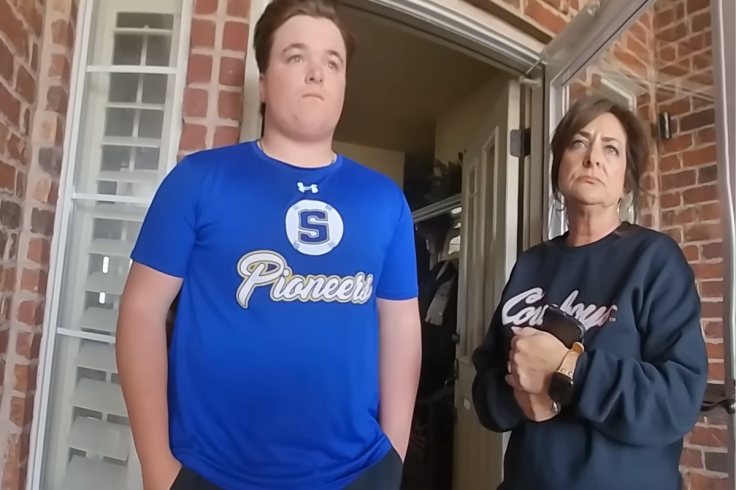
An Oklahoma teenager who entered a no-contest plea to charges of raping and strangling two teenage girls has walked free without spending a single day in prison.
Jesse Mack Butler, now 19, saw his case formally dismissed on Monday, 3 August 2026, one day before his 19th birthday, after a Payne County judge ruled he had completed every requirement of his youthful offender supervision. The outcome has drawn condemnation from the county's newly elected district attorney and sparked protests outside the courthouse. It marks the end of a case that once carried the possibility of decades behind bars.
From Arrest to Plea Deal
Butler was arrested in March 2025 following a police investigation opened in September 2024, after two Stillwater High School students came forward with allegations of assault. He was 17 at the time of the alleged offences and initially charged as an adult, before his case was later reclassified under Oklahoma's Youthful Offender Act.

Court records show he faced 11 felony counts, including first-degree rape, rape by instrumentation, attempted first-degree rape, sexual battery, forcible oral sodomy, and domestic assault and battery by strangulation. He was also charged with violating a protective order that one of the alleged victims had obtained against him. The charges carried a maximum sentence of up to 78 years.
In August 2025, Butler entered a no-contest plea to all counts. Rather than a custodial sentence, the court ordered him into a rehabilitation programme involving counselling, roughly 150 hours of community service, and a restitution payment of £2,600 ($3,300). Because the Youthful Offender Act prioritises rehabilitation over incarceration for qualifying minors, Butler was not held on remand and was never taken into custody.
Strangulation Recorded, Victim 'Seconds From Death'
According to court records, one victim told investigators that Butler recorded himself strangling her until she lost consciousness. Doctors later told her the assault had brought her within seconds of dying, and she required surgery to repair injuries to her neck.
During the final dismissal hearing, Butler's defence argued the recording depicted consensual conduct. Prosecutor Ashley Bussett rejected that characterisation outright, telling the court that 'you cannot consent to strangulation'.
One victim submitted a written impact statement during earlier proceedings, describing having to explain bruises and unexplained silences to people around her, and the isolation that followed. Her mother has separately said her daughter 'had to prove she was the victim, over and over again, while the system made excuse after excuse for the person who hurt her'.
This is absolutely shocking.
— Sarah Fields (@SarahisCensored) August 5, 2026
Jesse Butler - The Oklahoma teen who violently r*ped and strangled a high school girl so badly she needed neck surgery and was seconds from dying - just had his entire case dismissed.
He was looking at 78 years.
He pleaded to the charges.
He… pic.twitter.com/kwIMcWyv8E
District Attorney's Response and What Comes Next
The case was closed under newly elected District Attorney Jeremiah Gregory, who took office after the plea deal had already been struck by his predecessor's office. Gregory said the defence's suggestion at the final hearing that Butler was innocent left him particularly incensed, telling reporters, 'Nothing has made my blood boil more.'
His office has said it intends to refer the matter to federal prosecutors for further review, though it has not detailed what specific federal violations might apply. Because the case was resolved through the state's youthful offender process, it is now eligible for expungement, meaning the record could eventually be sealed as though the proceedings never occurred.
Bussett has said the victims' families have not ruled out pursuing civil litigation against Butler, Stillwater High School, the City of Stillwater, or Butler's family, though no such lawsuit had been filed as of the case's dismissal. Protesters gathered outside the Payne County courthouse as Butler arrived for the hearing, with at least one demonstrator telling local television that a sentence of community service was insufficient given the severity of the injuries described in court filings.
The case has renewed scrutiny of how Oklahoma's youthful offender statute handles violent felony convictions involving defendants who were minors at the time of arrest, though no legislative changes have yet been proposed in response.
© Copyright IBTimes 2026. All rights reserved.
- Recommended For You