Trump Looking 'Pale' and Changing Voice Prompts New Health Concerns Following a Rose Garden Address
A brief Rose Garden clip shifted online attention from Trump's hunting and fishing agenda to questions about his appearance and voice

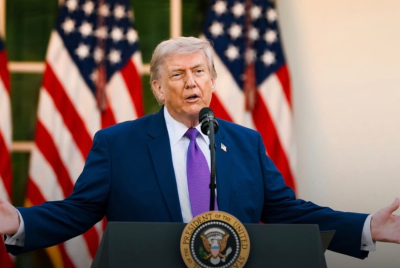
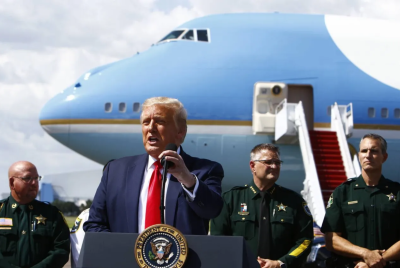
President Donald Trump drew fresh online health speculation in Washington on Thursday, 17 September, after viewers commented on his appearance and voice. He was addressing a White House Rose Garden dinner after signing two executive orders on hunting and recreational fishing.
The event centred on federal land access, hunting rules and saltwater angling. One order directs agencies to expand hunting opportunities and review access policies on federally managed land. The other instructs agencies to review fisheries rules, permitting and recreational fishing data systems.
More than 100 hunters, anglers and outdoor industry representatives attended the Rose Garden dinner, according to contemporary coverage. Interior Secretary Doug Burgum was also present at the event.
Online attention shifted after the X account @donkoclock shared a short clip from Trump's remarks. The post said, 'Trump is pale and very nasal in his speech tonight. Listen to this rip.' The clip also captured an audible sniff shortly after Trump began speaking.
Those observations do not establish a medical explanation. Appearance, voice quality and a brief audio clip cannot identify an underlying condition. The White House event page did not provide a medical explanation for Trump's voice or appearance.
Donald Trump's Appearance and Voice Draw Online Attention
The short clip became a focal point because it isolated a few seconds from a much longer address. Some viewers described Trump as pale, while others focused on what they heard as a nasal or raspy voice.
The White House published a full recording of the Rose Garden event from 17 September. That video provides the complete policy remarks rather than only the brief segment circulated on X.
It does not provide a basis for a medical conclusion. The footage shows Trump continuing his remarks and discussing the two executive orders, but it does not explain any apparent change in his voice.
That distinction matters when reporting on a public figure's health. Visual impressions and vocal changes may prompt questions online, but they are not medical evidence. Any claim about an underlying condition would require reliable medical information or an official disclosure.
The White House's public material instead focused on hunting, fishing and access to public lands. Its gallery and video page documented the dinner and policy announcement without linking Trump's appearance or voice to a health issue.
Donald Trump's Orders Target Hunting and Recreational Fishing Rules
Trump's hunting order directs agencies to expand access to certain federally managed lands and review policies that restrict hunting. It also tells the Interior Department to identify more opportunities for states to promote hunting among young Americans and veterans.
The order also addresses traditional lead ammunition and fishing tackle. Instead of immediately changing every restriction, it directs agencies to propose policy or regulatory changes within specified timeframes and under applicable law.
Biden-era rules did not impose a nationwide ban on lead ammunition. A 2024 U.S. Fish and Wildlife Service rule required lead-free ammunition for several newly opened hunting opportunities. The changes covered elk hunts at four North Dakota refuges and all hunting on a new Canaan Valley refuge unit in West Virginia.
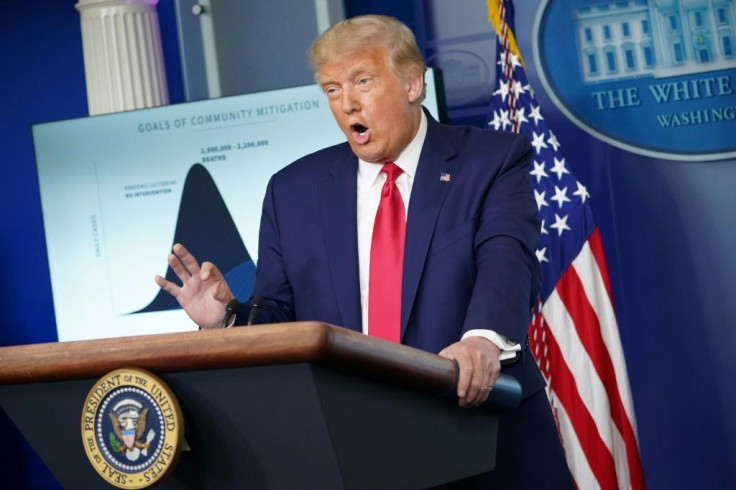
Trump's separate saltwater angling order directs agencies to review regulations affecting boaters, anglers, charter operators and outdoor businesses. It also calls for changes to permitting, fisheries data collection and recreational fishing management.
The order directs the Commerce Department and other agencies to begin reviewing regulations considered burdensome to recreational fishing. It also calls for expanded electronic catch reporting and a five-year plan to incorporate recreational fishing economic data into management decisions.
The policy changes will not happen all at once. The orders set deadlines ranging from 60 days to a year for various agency actions, reviews and proposed changes.
© Copyright IBTimes 2026. All rights reserved.
- Recommended For You