Philadelphia Is Becoming A Top Retirement Destination — Here Are The Top Reasons
Lower housing costs, transport, and healthcare are making Philadelphia an increasingly popular retirement choice


Philadelphia has long been known for its role in US history. Now, it is gaining attention for another reason. Retirees looking for affordable urban living are increasingly considering the city because of lower housing costs, tax advantages, healthcare access, and strong public transport.
While many retirement destinations in America are linked to warmer weather or quieter suburban living, Philadelphia offers a different model. It combines urban infrastructure, walkable neighbourhoods, cultural access, and lower living costs than several major East Coast cities. For retirees seeking city-based living, these factors are becoming increasingly relevant.
Lower Housing Costs Than Major East Coast Peers
Housing remains one of the main financial concerns for retirees. Philadelphia's property market remains more affordable than cities such as New York, Boston, and Washington. Average home prices are lower, which can reduce long-term financial pressure for retirees who plan to buy property or downsize.
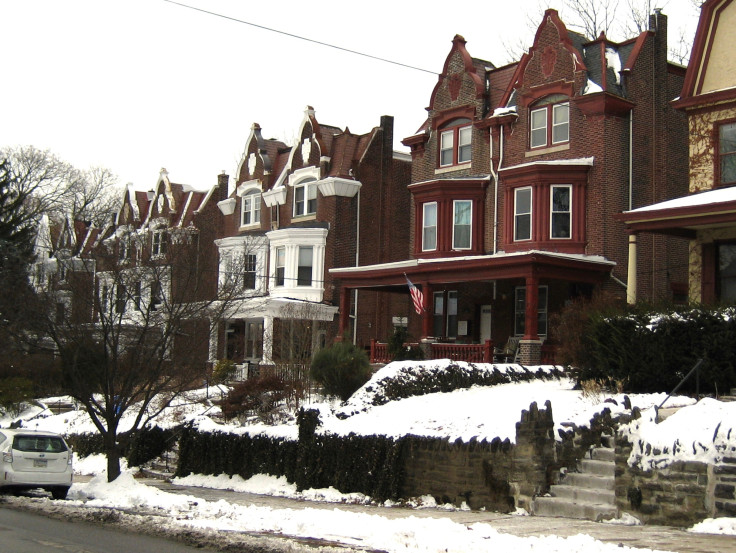
The city also offers different housing options. These include traditional row homes, modern condominiums, and apartments in converted historic buildings and quieter residential streets outside the central core. This range allows retirees to choose housing based on budget, mobility, and lifestyle.
Pennsylvania's tax system also affects retirement planning. The state does not tax Social Security benefits, pensions or withdrawals from retirement accounts such as 401(k)s. This can help retirees retain more annual income. Lower housing costs and tax policies are two factors shaping Philadelphia's retirement appeal.
While Hawaii, California and Massachusetts are the most expensive cities in the country for retirees, Philadelphia offers a suitable alternative. Given the affordable housing factor in Philadelphia and the fact that around a third of annual spending goes into housing, Philadelphia emerges as a top destination for retirement.
Walkability and Transport Access
Mobility affects daily life in retirement. Many Philadelphia neighbourhoods allow residents to access grocery stores, pharmacies, cafés, parks, and services on foot. This can reduce dependence on private vehicles.
Public transport also supports city access. SEPTA operates buses, subways, trolleys, and regional rail routes across the city and surrounding suburbs. This transport network helps residents reach hospitals, commercial areas, workplaces, and neighbouring districts.
Regional transport links add further access. Amtrak services connect Philadelphia to New York and Washington. Philadelphia International Airport also provides domestic and international travel routes. For retirees with family in other states or those who travel regularly, transport connectivity can be important.
Culture, Education, and Neighbourhood Life
Philadelphia's cultural identity is closely tied to its history. Historic districts, preserved architecture, and public landmarks remain part of daily city life. But cultural access extends beyond heritage.
The city is home to major institutions, including the Philadelphia Museum of Art, the Franklin Institute, theatres, galleries, and music venues. These institutions provide year-round exhibitions, performances, and educational events. Universities also contribute to the city's environment. Institutions such as the University of Pennsylvania, Temple University, and Drexel University host lectures, panels, academic events, and public programmes.
Retirees who want continued social or intellectual engagement may find access to these institutions relevant. Neighbourhood variety also shapes residential choices. Old City is known for its historic character. Fishtown has a strong creative and commercial identity. Chestnut Hill and Mount Airy offer more residential environments. This variety allows retirees to compare neighbourhoods based on pace, accessibility, and amenities.
Healthcare Remains a Major Factor
Healthcare access is often central to retirement decisions. Philadelphia has several major medical systems, including the University of Pennsylvania Health System, Jefferson Health, and Temple Health.
These hospitals and healthcare providers offer specialist treatment, emergency care, routine services, and long-term medical support. Access within the metropolitan area may reduce travel burdens for older residents managing ongoing health needs. For retirees planning long-term living arrangements, medical access remains a key consideration.
Outdoor Access in an Urban Setting
Philadelphia also includes large public green spaces. Fairmount Park is one of the largest urban park systems in the country. Trails along the Schuylkill River and Delaware River provide walking, cycling, and recreational access. These areas support outdoor activity within city limits. For retirees, access to walking routes, parks, and open public areas can influence lifestyle choices.
Why Philadelphia Is Gaining Retirement Attention
Philadelphia does not match the profile of traditional retirement destinations built around resort communities or warmer coastal climates. However, it offers lower housing costs than several nearby East Coast cities, strong healthcare systems, public transport, cultural access, and established neighbourhood infrastructure.
Its location also places residents near major regional destinations, including New York, Washington, the Jersey Shore, and the Pocono Mountains. As retirement choices shift beyond conventional models, Philadelphia is becoming part of that discussion. For retirees seeking urban living with access to healthcare, transport, and lower comparative costs, the city is drawing increased attention.
© Copyright IBTimes 2026. All rights reserved.
- Recommended For You