Is The Iran War Raising Gas Prices? Here's Why Donald Trump Calls The $3.58 Average A 'Glitch'
As Iran tensions drive up US petrol prices, Trump's 'little glitch' remark faces growing scrutiny from economists and anxious voters alike.
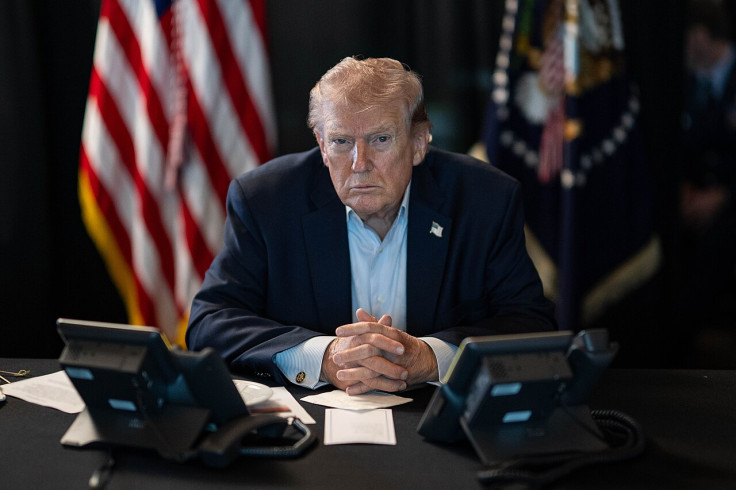
Donald Trump has dismissed rising US gasoline costs as a 'little glitch' caused by the Iran war, even as the national average price at the pump hit about $3.58 per gallon on Wednesday, 11 March, according to AAA figures.
The president, speaking to ABC News earlier this week, insisted the surge was temporary and would ease once the conflict with Iran and the wider Middle East crisis stabilise.
The sharp climb in gas prices began after the US war with Iran intensified and tensions escalated in one of the world's most important oil chokepoints, the Strait of Hormuz. Oil markets, hypersensitive to any disruption in supply routes, reacted almost instantly. US crude briefly jumped above $100 a barrel for the first time since Russia's invasion of Ukraine in 2022, setting off a chain reaction that is now turning up on forecourts across the country.
Why Donald Trump Says The Iran War Cost Is Just A 'Glitch'
Trump, under growing political pressure over the domestic fallout of the Iran war, has tried to frame the spike in fuel costs as a necessary bump in the road. 'I think it's fine. It's a little glitch. We had to take this detour,' he told ABC, arguing that prices would retreat as soon as markets were reassured about supply and security in the region.

That is an optimistic reading of a notoriously unforgiving system. Gasoline prices in the US have already risen by more than 50 cents in just over a week, climbing from around $3.20 last Wednesday to about $3.58, and up from $2.94 a year ago, AAA data show. For millions of drivers, those numbers are not an abstraction but a visible hit every time they fill up.
Economists who study energy markets say the basic mechanics are not in dispute. When crude prices shoot higher, petrol costs at the pump tend to respond almost immediately. They rarely fall as quickly on the way down.
'The passthrough from higher oil prices to higher prices at the pump is quick and direct,' said Alex Jacquez, Chief of Policy and Advocacy at the Groundwork Collaborative and a former official on the White House National Economic Council.
'We've already seen gas prices jump more than 50 cents in just over a week as oil prices climb higher, and without an end to the war in sight, they're likely to go higher.'
Jacquez used the industry's grim little nickname for the pattern. 'We call the gas price phenomenon 'rockets and feathers.' They're quick to shoot up when oil prices rise, but slow to fall after oil prices drop.'

Iran War, The Strait Of Hormuz And The Political Bill For Donald Trump
Beneath the daily price boards on petrol station forecourts sits the real fulcrum of this story; the Strait of Hormuz. More than 20 million barrels of oil a day usually move through the narrow channel that links Gulf producers with the rest of the world. Any sign that those flows might be interrupted tends to send traders scrambling.
'The only thing to watch right now is passings through the Strait of Hormuz,' Jacquez said. He suggested that market confidence will not be restored simply by political declarations from Washington. 'No matter if Trump says the war is ending or that it's safe for tankers to travel, if Iran continues to threaten ships passing through the Strait, oil prices will continue to climb.'

Reports that Iran may be mining parts of the waterway have deepened the sense of fragility. Jacquez argued that 'all indications, including the reporting that Iran is mining the Strait, is that the Strait will remain closed for the foreseeable future.' If that proves accurate, the idea that current prices are a brief 'glitch' looks increasingly hard to sustain.
'Gas prices are highly visible, salient prices that consumers use to set their inflation expectations,' Jacquez said. In an environment where many households already feel squeezed by food, rent and healthcare costs, another jump at the pump can harden a sense that things are heading the wrong way.
With the 2026 midterm elections on the horizon, strategists in both parties will be tracking those roadside digits as obsessively as any spreadsheet. Jacquez, pointing to his organisation's polling, said voters are already drawing a line between Trump's decisions abroad and the bills they face at home.
'Trump knows that high gas prices will be devastating for Republicans in the midterms,' he claimed. 'Our poll shows 87 percent of voters are concerned that Trump's war in Iran will raise prices — and they're right. Trump promised 'no more wars' and to put America first, but instead of lowering utility bills, grocery prices, and health care costs here at home, he's dragging the US into another costly foreign war.'
© Copyright IBTimes 2026. All rights reserved.
- MOST POPULAR IN Trending