Ex-Prince Andrew Urged to Reject £7,000 Pension and Donate Them to Charity Instead
As Andrew turns 66 amid his arrest over alleged misconduct, questions emerge over whether his state pension will still be payable if he enters custody.
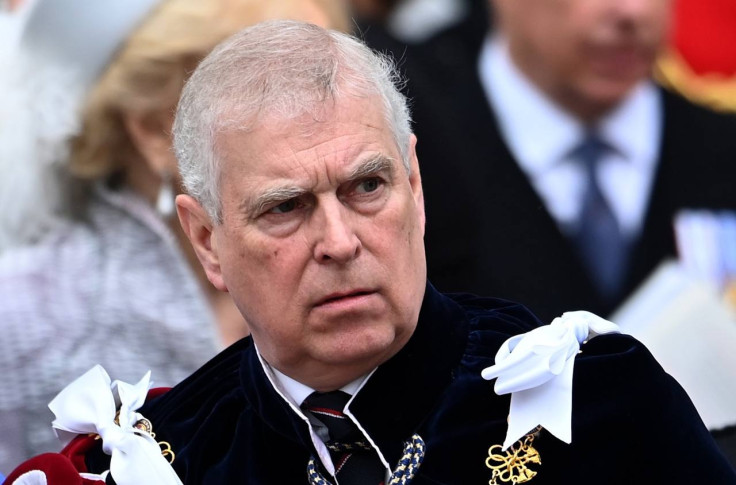
When Andrew Mountbatten-Windsor, the former Duke of York, turned 66 on 19 February 2026, he became eligible to claim the UK state pension. The annual amount is about £7,034 ($8,800).
The entitlement stems from National Insurance contributions made during his 22 years in the Royal Navy.
That birthday milestone was overshadowed by breaking news. On the same day, Thames Valley Police arrested Andrew on suspicion of misconduct in public office. The allegation relates to his past role as a UK trade envoy and his association with the late financier Jeffrey Epstein.
The timing has raised questions about whether he would still receive the pension while in custody. UK social security rules treat pension payments differently for those detained or imprisoned.
First Royalty to be Arrested and Detained
Police said they arrested a man in his sixties from Norfolk. The arrest was on suspicion of misconduct in public office. Officers searched properties in Berkshire and Norfolk as part of the inquiry. The BBC later confirmed that it was the disgraced Duke of York.
Andrew was detained at Wood Farm on the Sandringham estate before his arrest. But he no longer uses royal titles after their removal in 2025. King Charles III expressed support for the legal process and stressed the importance of due process.
The allegation centres on claims that Andrew shared confidential government documents with Epstein while serving as trade envoy. The claims are linked to newly released U.S. Justice Department files. Those files renewed scrutiny of his links to Epstein.
Under UK law, a suspect can be held for questioning for up to 24 hours. That period can be extended to 36 or 96 hours for serious offences, with judicial approval. During detention, normal custody procedures apply. There is no separate system for former royals.
But it's worth noting that an arrest does not necessarily lead to a charge. Prosecutors must decide whether evidence meets the threshold for prosecution.
If charged, Andrew could be released on bail or remanded in custody pending trial.
State Pension Eligibility for Prison
The UK state pension is based on qualifying years of National Insurance contributions. It is not means-tested. Most people qualify at age 66 if they have enough years of contributions.
Andrew's naval service counts toward those years. Service personnel pay National Insurance like other employees. That creates eligibility for the standard new state pension rate.
However, entitlement does not guarantee payment in all circumstances.
Under the Social Security Contributions and Benefits Act 1992, state pension payments are generally suspended during periods of lawful custody. This applies to convicted prisoners. It also applies to those held on remand awaiting trial.
If Andrew were charged and remanded in custody, pension payments would likely stop during detention. If he were convicted and sentenced to prison, the suspension would continue for the duration of imprisonment.
Payments typically resume upon release. If a person is acquitted and has been remanded, pension entitlement can restart from the date of release. The rules apply uniformly across the system. They are not specific to his case.
Other benefits follow similar rules. Most working-age benefits are also suspended during imprisonment. Occupational or private pensions may be subject to different regulations, depending on the scheme rules.
Andrew Should Donate Pension
Some commentators have noted that £7,034 ($8,800). A year is modest compared with Andrew's financial position following his fall. Mandatory shared that he reportedly receives income from military pensions and private arrangements. Those sources may not be directly affected by state pension suspension rules.
Royal commentators had previously suggested Andrew could donate the state pension to charity. That suggestion predated the arrest. The legal situation now complicates such discussions.
Andrew's arrest marks a historic constitutional moment. It is rare for a senior member of the British royal family to be formally detained in connection with alleged criminal conduct.
Public concerns now extend beyond the allegations themselves. It includes questions about accountability, transparency, and financial entitlements. The legal process will determine whether charges are brought and whether a trial follows.
Until then, his pension depends on his legal status. If he remains free without charge, he would ordinarily be able to claim it. If he is held in custody, payment would likely be suspended under existing law.
© Copyright IBTimes 2025. All rights reserved.
- Recommended For You