From Protein Snacks to £5 Coffee: Spending Habits Defying the Cost-of-Living Crisis
Consumers are turning to affordable luxuries like coffee and beauty products, linked to the 'lipstick effect' during economic downturns
UK consumers are continuing to cut back on everyday spending amid ongoing cost-of-living pressures, according to recent data reported by the BBC News.
However, sales of small 'treat' items such as takeaway coffee and protein products remain resilient, highlighting a shift towards a more selective, lifestyle-driven pattern of spending.
Analysts often describe this behaviour as the 'lipstick effect', where consumers facing economic pressure continue to spend on small, 'guilt-free' treats to maintain a sense of quality in their daily lives.
Consumers Cut Back Amid Cost Pressures
Spending across the UK has tightened as cost-of-living pressures persist, with many consumers reducing discretionary purchases in favour of essentials.
Official figures from the Office for National Statistics show that retail sales volumes fell by 0.3% in the final quarter of 2025, reflecting a broader slowdown in consumer activity. Yet while overall expenditure is tightening, it is not disappearing entirely—only becoming more selective.
Small Luxuries Remain Resilient
Nowhere is this shift more visible than in the UK coffee market, where demand remains strong despite increasing costs.
Major chains like Costa Coffee and Caffè Nero continue expanding on high streets, reflecting strong consumer demand for takeaway drinks. Independent coffee shops also grow in many urban areas, especially in London, where speciality coffee culture remains linked to lifestyle and social habits.
According to Lumina Intelligence, the market is now worth over £6.8B, driven by a resilient, 'treat-seeking' consumer base, even as prices have risen by 17% since 2022.
The average price of a latte has climbed to £3.64, yet demand has held steady. Rather than eliminating discretionary spending entirely, many consumers appear to be reallocating budgets towards smaller, habitual purchases that offer a sense of routine or reward.
The resilience of coffee spending also reflects the increasingly embedded role coffee shops play within modern UK lifestyle, particularly in cities such as London, where café culture has become closely tied to socialising, remote working, and daily routine.
Data released by MyVoucherCodes found that 4 out of 5 people in the UK have spent at least 3½ hours working from a coffee shop each week, spending up to £10 on food and drink each time.
Despite the ongoing financial pressures, both large chains and independent coffee shops continue to expand across UK high streets. World Coffee Portal's 2024 Report shows that the UK's independent coffee shop market achieved a 4% sales growth over the 12 months.
These findings suggest that the demand remains driven by more than convenience alone.
For many consumers, coffee shops now function as informal workspaces, meeting points, and lifestyle spaces, making takeaway coffee feel less like an occasional luxury and more like an integrated part of everyday life.
Consumer analysts have increasingly linked this behaviour to what is often referred to as the 'lipstick effect' where consumers under financial pressure continue spending on smaller, mood-boosting purchases despite cutting back elsewhere.
The theory, originally popularised during previous economic downturns, suggests consumers are more likely to seek out lower-cost luxuries such as coffee, beauty products or small treats during periods of financial uncertainty.
Financial analysts at Hargreaves Lansdown have also noted that cost-of-living pressures continue to place strain on household spending, even as consumers maintain spending in selected lifestyle categories.
A Generational Shift in Spending
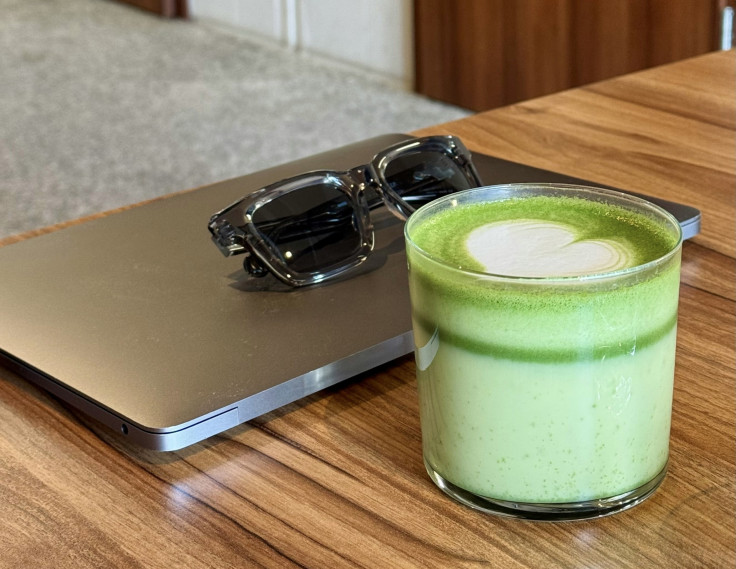
Younger consumers, especially Gen Z, are driving demand for wellness-focused products like protein snacks and matcha drinks, often integrated into broader coffee offerings. Chains like Blank Street and Black Sheep Coffee are making these trends mainstream. Matcha drinks now feature prominently on menus, reflecting consumer interest in wellness, energy, and lifestyle branding. Many see premium, customised coffee as an 'affordable indulgence' that reinforces identity and routine.
Demand for high-protein products has surged, with a 105% increase in searches, fueled by social media trends. These patterns indicate spending is shifting toward categories linked to wellbeing, convenience, and self-expression. However, analysts warn this may also signal a focus on short-term lifestyle spending amid financial pressures.
Notably, Barclays also shared that consumers aged 65+ hold the largest share of the coffee market and are increasing their spending, suggesting coffee habits span all generations. Overall, consumers are prioritising smaller purchases that offer emotional comfort, routine, and identity, transforming discretionary spending into perceived necessities during economic strain. This shift reflects broader changes in how consumers maintain social connection and self-identity amid financial uncertainty.
© Copyright IBTimes 2026. All rights reserved.
- Recommended For You