Half of America Is Using Buy Now, Pay Later — Economists Warn a Debt Shock Could Be Next
Rising consumer debt and missed repayments are turning buy now, pay later plans into an increasingly concerning financial warning sign


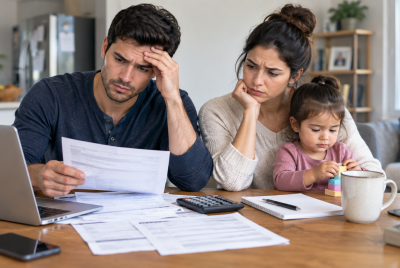
For millions of Americans, splitting a payment into four smaller instalments once felt like a smart way to shop. It was quick. It was easy. It often came with no interest. At checkout, it looked harmless. Now, for many households across the US, 'buy now, pay later' is no longer just a convenience. It is becoming a sign of financial strain.
A new Gallup poll shows slightly more than half of Americans have used 'buy now, pay later' at least once for an online purchase. What started as a digital payment trend has moved into daily life, from groceries and clothes to household essentials and holiday shopping. Yet behind that ease sits a growing concern. As consumer debt in America climbs to record levels, these short-term loans are increasingly being used by people who may already be struggling to keep up.
A Payment Tool That Became Part of Daily Spending
'Buy now, pay later' services such as Klarna and Affirm were designed to offer shoppers a simple way to spread payments over time without using a traditional credit card. The appeal was obvious. No hard credit checks. Fast approval. Often no interest if payments were made on time.
That simplicity helped fuel extraordinary growth. According to the Consumer Financial Protection Bureau, the number of buy now, pay later loans in the US rose from 16.8 million in 2019 to 180 million in 2021. That marked a 970% jump in just two years. Loan volume also climbed by more than 1,000%, reaching $24.2 billion. What was once viewed as an alternative payment method is now deeply built into the American shopping experience.
Why Lower-Income Households Are Using It More Often
The strongest rise in usage appears among financially stretched households. Gallup found Americans earning under $48,000 a year were more likely to use instalment plans frequently or occasionally than middle-income and higher-income earners.
The pattern went beyond salary. People who reported they did not have enough money to live comfortably were also more likely to rely on these plans, even after income was considered.
A 2024 Federal Reserve survey found 57% of buy now, pay later users said they used the service because they had to. Many said they would not otherwise be able to afford the item.
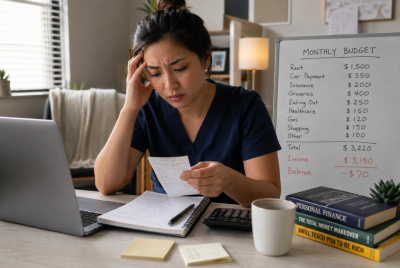
That shifts the conversation. For some households, these plans are not helping with budgeting. They are helping people bridge financial gaps.
A study published in the Journal of Consumer Affairs found 84% of Americans with credit scores below 620 said they used buy now, pay later products out of necessity. That suggests heavy use is concentrated among people with weaker financial flexibility.
The Hidden Cost of Missing a Payment
'Buy now, pay later' often markets itself around zero-interest borrowing. But missing payments can quickly change that. The Consumer Financial Protection Bureau found the average late fee in 2023 was $9.99.
That may seem small. Yet repeated missed payments can create added pressure, especially for households already balancing rent, fuel, groceries, and credit card debt. A LendingTree survey published last month found nearly half of buy now, pay later users had made at least one late payment in the previous year. This creates a risk many users may underestimate. Small purchases can pile up across several lenders. One missed payment can trigger another financial squeeze.
Credit Scores Could Face More Pressure
The impact may now extend beyond fees. Last year, FICO announced it would begin incorporating buy now, pay later data into its credit scoring systems.
That matters. Late payments usually do not appear on credit reports until at least 30 days after the due date. But broader reporting could increase visibility into missed repayments. For borrowers already carrying weaker credit profiles, this may create another challenge. Average credit scores in America have already shown sharper declines among lower-income groups.
A Wider Debt Problem in the US
The rise of buy now, pay later is unfolding during a much larger debt surge. According to the Federal Reserve, total consumer debt in the first quarter of this year reached $19 trillion. That includes mortgages, education loans, car finance, and credit card balances.
Loan delinquencies across several categories have also risen in recent years, with pressure falling heavily on lower-income borrowers. Against that backdrop, buy now, pay later may appear small. Yet its importance lies in who is using it most. Gallup found only 10% of Americans rely on these plans often.
Still, repeated use among credit-constrained households suggests something deeper. For many people, this is no longer simply a checkout option. It is becoming a financial lifeline. And when a lifeline starts to resemble debt dependency, the warning signs become harder to ignore.
© Copyright IBTimes 2026. All rights reserved.
- Recommended For You