Beware Of 'Dollar Dribbling' Trap: Why Your $5 Daily Coffee Isn't the Real Money Problem
Former trader Vivian Tu argues that focusing on small expenses like lattes distracts from larger financial issues

A $5 (£3.78) coffee every day for a year adds up to just under $2,000 (£1,510). That is not going to make anyone a millionaire — or stop anyone from becoming one.
But the spending that wraps around that coffee might. Former Wall Street trader Vivian Tu, founder of financial education platform Your Rich BFF, laid out the distinction in a February 2026 WIRED video. She calls it 'dollar dribbling' — and she said the behaviour 'oftentimes can lead you to become less wealthy over the course of your lifetime.'
Tu, a former JP Morgan equities trader with more than eight million followers across social media, said she is 'kinda torn' on the coffee debate. The drink itself is not the issue. 'If every day you buy that $5 coffee with intention and it brings you so much joy and it is the only thing powering you to get to work, go get it,' she said.
The problem, she argued, is what piles on top of it. 'But are you also buying a croissant with that? And then are you also spending $15 on a salad for lunch?' she said. 'Oh, by the way, I didn't really feel like taking public transportation home tonight so I took a ride share. When you do these little things that add up over time, it can lead to less money in your pocket.'
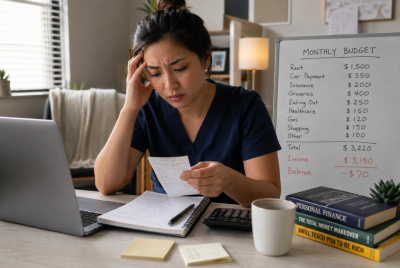
'When you are just spending mindlessly, it's not really adding to your life,' Tu said. 'You will actually end up spending a lot of your money and then looking back and feeling like you have nothing to show for it.'
When Small Purchases Stop Being Small
UK coffee shop data illustrates the pattern. The average visit costs £6.23 — not just a flat white, but typically a drink plus a snack, according to Working From Coffee Shops. Eighty per cent of Britons visit at least once a week. The branded sector alone is worth roughly £5.3 billion across more than 10,000 outlets. Coffee has overtaken tea as the nation's preferred drink, with 63 per cent of adults now drinking it regularly.
That £6.23 average is roughly 75 per cent more than a latte on its own, and the gap points directly to Tu's argument. A £3.50 latte bought with purpose is one thing. A £6.23 visit driven by habit, repeated five days a week, adds up to more than £1,600 a year.
Then layer on the spending people never consciously track. Citizens Advice found UK consumers waste £688 million a year on subscriptions they do not use. Research published by The Times in March 2026 placed the average Briton's monthly subscription bill at £72 ($95) — that is £864 ($1,140) a year on autopay, much of it unmonitored. US data from C+R Research found a 2.5 times gap between what consumers think they spend on subscriptions and what they actually spend.
Workplace routines add another layer. According to TUC research cited by Billi UK, UK employees put in an average 42-hour week — two hours more than their EU counterparts. A separate survey of 2,000 workers found 47 per cent regularly snack mid-morning, with a further study estimating office treats add up to 100,000 extra calories per person per year. Long hours breed exactly the kind of convenience spending Tu described: vending machines, desk lunches, evening takeaways.
Spend With Intention or Invest in Future You
Tu's advice was not to cut every small purchase. It was to make each one deliberate. 'If you are going to make little purchases, buy yourself a little treat, do it with intention, do it with meaning,' she said. 'But in situations where you don't need to be spending certain amounts of money, you might be better off allocating that dollar into an investment account for yourself.'
'That money doesn't go away,' she told viewers. 'It just gets to take care of future you.'
Tu's second book, Well Endowed, was released on 3 February 2026 through HarperCollins.
© Copyright IBTimes 2026. All rights reserved.
- Recommended For You