

Japan's RIKEN Scientists Turn Cancer Cells' Own Gas Against Them to Make Anticancer Compounds in Lab Tests
RIKEN harnesses carbon monoxide inside cancer cells to create anticancer compounds, with animal studies still ahead
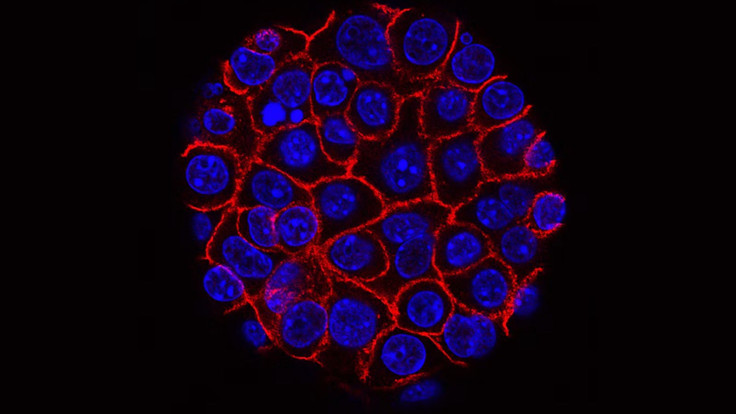
Japan's RIKEN scientists have harnessed carbon monoxide produced by cancer cells to create anticancer compounds inside them during laboratory experiments described in Nature Communications.
The approach addresses a central difficulty in cancer care, where chemotherapy can affect healthy tissue as well as tumours. Its side effects vary depending on the drug and the patient. The researchers sought a way to produce active compounds locally by drawing on chemical differences between cancerous and normal cells.
The team, led by Katsunori Tanaka, recorded suppressed cancer cell growth, but described the anticancer effect as modest. Differences in toxicity between cancerous and normal cells were limited, and the method has not been tested in animals or humans.
What RIKEN Observed In Cultured Cells
Researchers associated with RIKEN's Pioneering Research Institute and the Institute of Science Tokyo examined human cell lines derived from liver, cervical, breast and lung cancers. After 48 hours of incubation, they detected the intended phenanthridinone product in all four cancer cell lines.
Phenanthridinone derivatives are a family of molecules that includes compounds associated with anticancer activity. The initial experiments established that the chemical reaction could take place inside the cultured cancer cells.
The team subsequently modified the system so that the newly synthesised compound could detach from its carrier and move within the cell. Further adjustments enabled production of a toxic derivative inside liver cancer cells, where it produced harmful effects.
How Albumin Protects the Palladium Catalyst
Carbon monoxide is widely known for its toxicity, but the human body also produces small amounts naturally. Certain cancer cells generate elevated levels, providing a potential raw material for the reaction.
Tanaka's team investigated palladacycles, organometallic compounds containing palladium. The palladium-containing complex enables the chemical reaction, while carbon monoxide provides a building block for phenanthridinone. However, substances naturally present inside cells, including glutathione, can rapidly deactivate palladium catalysts.
The researchers enclosed a palladacycle within albumin, a protein found in blood. This protective carrier shields the catalyst from substances that would otherwise disable it and supports its entry into cells, allowing the reaction to proceed.
After screening several palladacycles to identify the most effective candidate, the researchers tested the protected complex against both cancerous and noncancerous cell lines.
The team also examined whether carbon monoxide in blood might trigger the reaction before the complex reached a tumour. In laboratory tests using mouse blood, researchers detected no formation of the expected reaction product. They suggested that carbon monoxide bound to haemoglobin, the protein that carries oxygen in red blood cells, was unavailable for the reaction.
Animal Trials Will Test Safety and Effectiveness
The strategy aims to deliver relatively harmless chemical components that become toxic under suitable conditions inside diseased cells. The experiments do not establish whether this can work in a living body or avoid damage to healthy tissue.
'This work represents an important advance in therapeutic in vivo synthetic chemistry,' Tanaka stated. 'In our therapeutic strategy, molecules naturally present or generated within the body—including disease-associated metabolites—are used as endogenous chemical feedstocks to synthesize therapeutic molecules directly at the site of disease.'
Animal testing will need to establish whether the catalyst reaches tumours, produces sufficient amounts of the drug and avoids damaging healthy tissues.
© Copyright IBTimes 2026. All rights reserved.