

PA Measles Outbreak Hits 1,286 Cases; 66 Pregnant Women Infected, at Least Six Babies Born With the Virus
Health officials warn about pregnancy risks as doctors report at least six babies born with measles in Pennsylvania
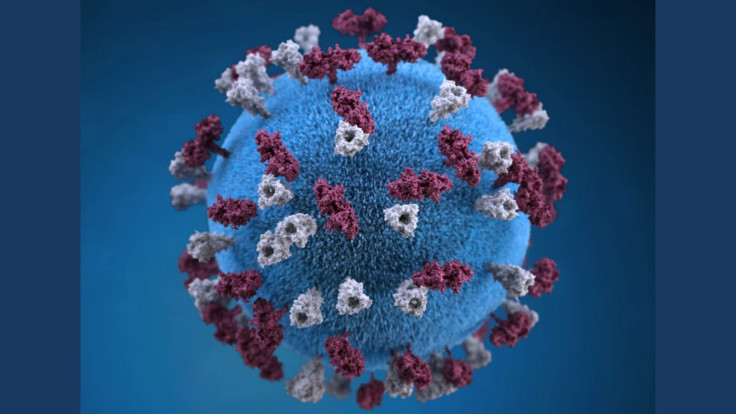
Pennsylvania health officials warned doctors about measles in pregnancy as the state's outbreak reached 1,286 cases, including 66 pregnant women infected since April.
The outbreak has spread across 42 counties. Doctors have anecdotally reported at least six babies born with congenital measles, an infection transmitted in the womb, although officials have not released an exact total.
A Department of Health spokesperson confirmed that state law prohibits the disclosure of pregnancy outcomes, leaving the number of women who have miscarried or delivered babies with the infection unclear.
The state has reported five measles-associated deaths, including two infants in Lancaster County.
Measles Complications Extend Beyond Birth
'Getting measles while pregnant increases the risk of miscarriage, early labor, and low birth weight,' a department spokesperson stated in an email.
Doctors reported that at least two babies with congenital measles developed pneumonia and required intensive care. Other possible symptoms include fever, a rash, neurological problems and low blood platelets.
One father in Lancaster County previously told NBC News that his wife contracted measles in August and went into labour a month early. Their baby died shortly after birth.
The American Academy of Pediatrics defines congenital measles as infection in newborns whose mothers contracted the disease during the two weeks before birth and who test positive or develop symptoms within 10 days of delivery.
The risks can continue beyond the newborn period. State health officials warned that congenital measles can cause severe brain and immune system complications later in life.
These include subacute sclerosing panencephalitis, or SSPE, a rare inflammatory brain condition that can appear seven to 10 years after measles infection and is almost always fatal. There is evidence it may develop earlier in children born with congenital measles.
Why Measles Once Rarely Reached Newborns
Before vaccination became widespread, almost everyone contracted measles in childhood. Women who survived infection generally reached childbearing age with immunity, making congenital cases rare.
'It was virtually unheard of for someone to reach childbearing age and not have been naturally infected with measles,' the Children's Hospital of Philadelphia noted.
Widespread vaccination enabled the United States to eliminate continuous local transmission in 2000. Falling vaccination rates and increasing outbreaks have since renewed concern about infections during pregnancy and at birth.
The American Academy of Pediatrics added guidance on congenital measles to its website in response to ongoing and increasing outbreaks. There is no national database tracking congenital cases, leaving the scale of the problem difficult to establish.
Preventing Measles Before Pregnancy
The health department advises vaccination before pregnancy as the best protection against measles in mothers and newborns. People without existing immunity should receive two doses of the measles, mumps and rubella vaccine, separated by 28 days.
The MMR vaccine contains a weakened live virus and should not be administered during pregnancy. People should also avoid becoming pregnant for 28 days after vaccination.
Pregnant women without immunity who are exposed to measles should receive immunoglobulin within six days, the department advised. This can provide protection against infection or reduce the risk of serious illness.
State health officials advise that women can receive the vaccine after delivery and that it is safe for breastfeeding mothers.
© Copyright IBTimes 2026. All rights reserved.