

Massive FDA Toothpaste Recall: 4.3 Million Tubes Including Children's Products Pulled Over Safety Risks
Brush Buddies, evo and ARU toothpastes recalled over manufacturing concerns, with the FDA assigning Class II status
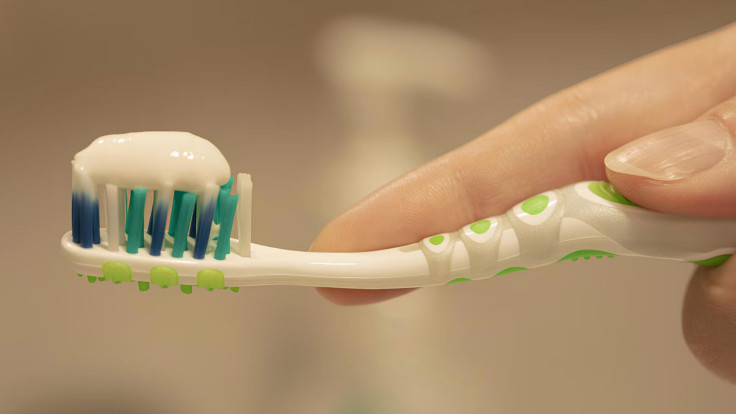
An FDA toothpaste recall covers about 4.3 million tubes across the United States, including children's products, following manufacturing concerns detailed in an enforcement report published on 19 October.
Indian manufacturer Pritam International Private Limited initiated the voluntary recalls on 10 September. The action involves adult and children's toothpaste under the Brush Buddies, evo and ARU brands, distributed by Ashtel Studios Inc. of Ontario, California.
The US Food and Drug Administration has since classified the recalls as Class II. Federal officials have not publicly specified the precise manufacturing problems behind the action.
FDA Toothpaste Recall Extends Beyond Children's Brands
The affected children's products include toothpaste featuring Barbie, Hot Wheels, Crayola and My Little Pony. Dessert-flavoured varieties include vanilla, mint chocolate chip, cookies and cream, and chocolate ice cream.
Whitening and sensitivity toothpastes are also covered, alongside products marketed for gum health and cavity protection. The evo range includes Advanced Whitening and Sensitive toothpastes, while the ARU products include Gum Health Soothing Mint and Cavity Protection Cool Mint.
Brush Buddies' whitening toothpaste with baking soda also appears on the list, extending the recall beyond the toy-themed and dessert-flavoured varieties.
The products were sold through online marketplaces including Amazon and eBay. Federal recall listings identify affected products with expiry dates ranging from November 2026 to December 2028.
Federal records put the total at 4,301,700 tubes, approximately 4.3 million.
What Class II Means for the FDA Toothpaste Recall
The FDA describes a Class II recall as circumstances in which exposure to a product 'may cause temporary or medically reversible adverse health consequences.' The likelihood of serious adverse health consequences is considered remote under the agency's definition.
The reason cited for the recalls concerns deviations from current good manufacturing practice regulations, known as cGMP. These govern the controls manufacturers must maintain throughout production to protect product quality, cleanliness, consistency and safety.
Production Standards Behind the Toothpaste Recall
The FDA's description of the regulations sets out requirements for strong quality management systems and appropriate raw materials. Manufacturers must also establish robust operating procedures, detect and investigate product quality deviations, and maintain reliable testing laboratories.
In a July 2025 interview with NTD about a separate deodorant recall, Darin Detwiler, a Northeastern University professor and food safety expert, warned that manufacturing deviations could lead to microbial contamination, instability or the inclusion of harmful ingredients. These are potential consequences of inadequate controls, rather than confirmed findings about the recalled toothpaste.
'Deviations from cGMPs can compromise the integrity of the entire production process,' he said.
Detwiler, who also advises the Alliance for Recall Ready Communities, described the regulations as baseline standards that manufacturers are legally required to follow.
For consumers, the immediate challenge is identifying whether toothpaste already in their homes is among the affected products. Brand names and packaging alone may not be enough, as recall notices can distinguish products by specific identifiers and expiry dates.
Anyone concerned about a purchase can compare its details with the FDA's enforcement report and contact the seller or distributor for further guidance. Although the recalls concern manufacturing compliance, they should not be interpreted as proof that every affected tube is contaminated or that consumers have suffered harm as a result.
© Copyright IBTimes 2026. All rights reserved.