

Scientists Say Younger Generations May Be 'Ageing Faster' as Early-Onset Cancer Rates Continue To Rise
A study of more than 164,000 people links older biological profiles with higher risks of several cancers, but researchers stress the findings do not prove causation

Cancer is still overwhelmingly more common among older adults, but diagnoses of several cancers are rising among people under 50 in England.
Scientists do not yet know exactly what is driving the increase. However, emerging research points to another potential piece of the puzzle: people born in more recent generations may show signs of more advanced biological ageing, relative to their chronological age.
Early-Onset Cancer Rates Are Rising in England
New analysis from the World Cancer Research Fund (WCRF) found statistically significant increases in seven of the 12 site-specific cancers studied among people under 50 in England.
Among men under 50, prostate cancer incidence rose from one case per 100,000 in 2001 to 3.6 per 100,000 in 2023. Colorectal cancer increased from 4.0 to 8.4 cases per 100,000 over the same period.
Among women, uterine cancer rose from 1.8 to 3.9 cases per 100,000, while colorectal cancer increased from 3.5 to 8.3 per 100,000.
Despite the increases, cancer remains far more common later in life. Researchers also caution that better detection may explain part of the rise, but not the entire trend.
Younger Generations May Be 'Ageing Faster'
One possible clue comes from a study involving more than 164,000 people in the UK and US.
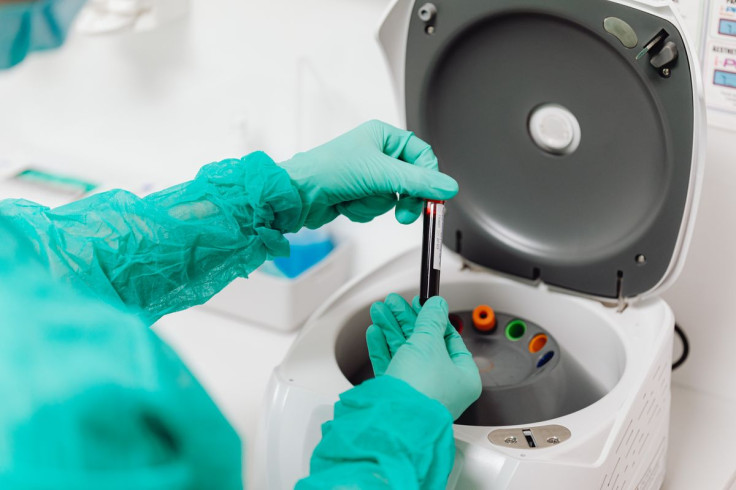
Researchers examined health data from 154,169 UK Biobank participants, using blood biomarkers to estimate biological ageing, a measure intended to capture aspects of how the body is ageing rather than simply how many years someone has lived.
The UK Biobank study found that systemic ageing increased across successive generations. People born between 1965 and 1974 had a 23 per cent higher standardised PhenoAge-defined age gap than those born between 1950 and 1954.
What Does 'Biological Age' Mean?
Chronological age is straightforward: it is the number of years since someone was born. Biological age attempts to measure the changes occurring within the body's cells, tissues and organs over time.
This means two people who are both 40 could have noticeably different biological profiles. Factors including diet, exercise, sleep and environmental exposures may influence the ageing process.
Researchers used an established measure called PhenoAge, which uses nine clinical biomarkers to estimate aspects of biological ageing.
Could Faster Ageing Be Linked to Cancer?
The researchers found that people whose bodies appeared biologically older than expected had a higher risk of developing solid cancers earlier in life.
Accelerated systemic ageing was associated particularly with early-onset lung, gastrointestinal and uterine cancers. Researchers also found that ageing of the immune system was associated with early-onset lung cancer, while ageing in fat tissue was linked to early-onset colorectal cancer.
The researchers suggest that biological ageing could capture the cumulative effects of different exposures throughout a person's life, offering another way to investigate why certain cancers are appearing earlier.
The findings offer a possible clue, rather than a definitive explanation for the rise in early-onset cancers.
Why Are More Younger Adults Developing Cancer?
There is unlikely to be one simple explanation.
WCRF identifies factors including overweight and obesity, diet, physical inactivity, alcohol, smoking and environmental exposures as factors that can influence cancer risk. Greater awareness of symptoms and improvements in diagnosis could also be increasing the number of cancers detected among younger adults.
Interestingly, the trend does not apply to every cancer. Lung cancer rates among under-50s declined in England, the US and the Netherlands over the periods examined by WCRF.
Crucially, the biological-ageing research shows an association rather than cause and effect. Researchers say more work is needed to understand why people born in more recent generations may show different patterns of biological ageing and whether these biological measures could eventually help identify people at greater cancer risk earlier.
For now, the findings offer scientists another clue to a question becoming increasingly difficult to ignore: why are some cancers appearing earlier in people's lives?
© Copyright IBTimes 2026. All rights reserved.