

Rodent Waste Recall: Cheerios Recalled Alongside Pringles, Nutella and Other Products Over Rodent and Bird Droppings
The FDA has issued a large Class II recall covering nearly 2,000 products after inspectors found rodent waste and bird droppings at a warehouse
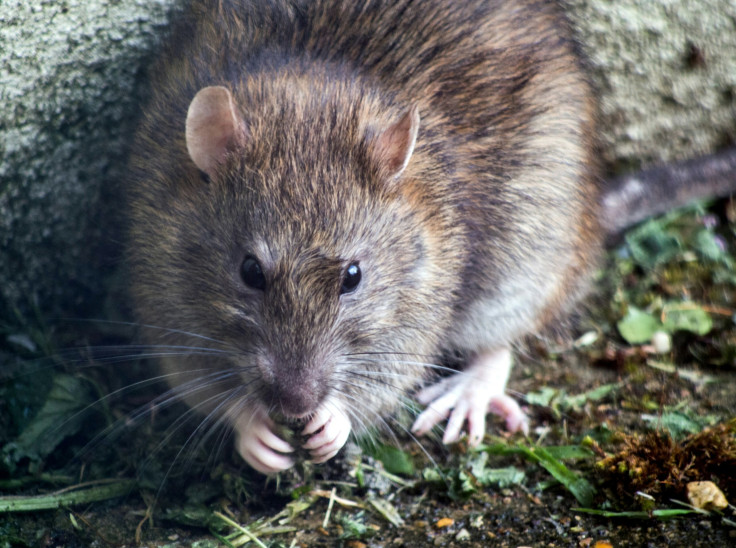
A large-scale recall affecting almost 2,000 consumer products, including brands such as Cheerios, Pringles and Nutella, has been issued in the United States after inspectors found rodent waste and bird droppings at a major distribution facility.
The recall was announced by the US Food and Drug Administration following an inspection of a warehouse operated by Gold Star Distribution, Inc. Regulators said the conditions raised concerns about contamination across a wide range of food, household and personal care items stored at the site.
Although no illnesses linked to the products have been reported so far, the FDA warned that exposure to goods contaminated by rodents or birds can pose health risks, particularly for young children, older adults and people with weakened immune systems.
Recall Issued After FDA Inspection
The recall was initiated in December 2025 after FDA inspectors identified unsanitary conditions at Gold Star Distribution's facility in the Minneapolis area. According to the agency, inspectors found rodent excreta, rodent urine and bird droppings in storage areas containing food, drinks, cosmetics, medicines and pet food.
Following the inspection, the FDA classified the recall as Class II. This classification indicates that the affected products could cause temporary or medically reversible health effects. Regulators said the probability of serious harm was considered low.
Gold Star Distribution said the recall applied to products distributed in Indiana, Minnesota and North Dakota. Consumers in those states were advised not to use the affected items.
In December, this man told us that Somali's were urinating and defecating all over the place at a major food production facility.
— Dr. Jebra Faushay (@JebraFaushay) January 29, 2026
And now, Gold Star Distribution, Inc, based in Minneapolis, is recalling almost 2,000 food and household items. I'm sure it's just a coincidence. pic.twitter.com/wP2mr3uaq4
Products Affected Across Multiple Categories
The recall covers a broad range of everyday goods. Affected food products include breakfast cereals, snack foods, spreads and bottled drinks from well-known brands. Household and personal care items, including toiletries and over-the-counter medicines, were also listed, alongside certain pet food products.
Regulators said the large number of items involved reflected the variety of goods stored at the facility. The FDA said no single manufacturer was responsible for the conditions identified during the inspection.
The agency published a detailed recall notice listing affected products, batch information and distribution locations. Consumers who purchased recalled items were advised to destroy them and to request refunds directly from Gold Star Distribution.
Federal health officials have issued a massive recall covering nearly 2,000 food and household products distributed by Minneapolis-based Gold Star Distribution, Inc.
— Shadow of Ezra (@ShadowofEzra) January 29, 2026
Inspectors found evidence of rodent excreta, rodent urine, and bird droppings.
The recall affects a huge range… pic.twitter.com/VwOp5ChOiT
CHECK YOUR PANTRY! Cheerios, Skittles and Pringles are among thousands of products recalled due to alleged presence of rodent waste https://t.co/OikKu0zDhC pic.twitter.com/UuKiXa5rph
— FOX 11 Los Angeles (@FOXLA) January 29, 2026
Cut regulations the president says.🙄
— James Tate (@JamesTate121) January 29, 2026
Nearly 2,000 products have been recalled due to rodent and bird contamination.
Among the affected items are candies, snacks, pet food, and cereals, including Cheerios, Pringles, Gatorade, and Fancy Feast cat food. (Source: People)
📷:… pic.twitter.com/yJlVjtr5Wv
Health Risks Identified By Regulators
The FDA said rodent and bird contamination can introduce harmful bacteria into food and onto packaging surfaces. Rodent urine and droppings are known to carry bacteria such as Salmonella and Leptospira. Bird droppings can also harbour microorganisms that pose risks in enclosed storage environments.
Salmonella infection commonly causes symptoms including fever, diarrhoea, abdominal pain, nausea and vomiting. Symptoms typically appear within one to three days of exposure. Most cases resolve without treatment, but severe illness can occur in vulnerable groups.
Leptospirosis, caused by bacteria found in rodent urine, can lead to high fever, headaches and muscle pain. In severe cases, the infection can cause kidney or liver damage if left untreated.
Consumer Guidance And Ongoing Monitoring
The FDA said people who believe they may have been exposed to contaminated products and who develop symptoms should seek medical advice. Pet owners were advised to consult a veterinarian if animals had consumed recalled pet food.
Gold Star Distribution said it was working with regulators to address the issues identified during the inspection. The FDA said it would continue to monitor the situation and update recall information as required.
While no confirmed illnesses have been linked to the recall, regulators stressed that proper storage and pest control are essential to prevent contamination. Consumers were encouraged to check product details against official recall notices and dispose of affected items promptly.
© Copyright IBTimes 2026. All rights reserved.