Holiday Horror in Cape Verde: Lawsuit Follows After Eight Dead, 1,700 British Nationals Fall Ill
Victims demand answers as illness outbreak turns dream holidays into legal battle.

A dream African holiday in Cape Verde has turned into a nightmare for hundreds of British families, with illness, grief and legal action now at the centre of the crisis. At least eight people have died and more than 1,700 British tourists have reported falling ill during their stay, and travel company TUI is now at the centre of legal action.
What began as scattered complaints has grown into a major investigation with potentially far-reaching consequences. It is now seen as one of the most serious travel health incidents in recent years.
For many families, the experience and impact have not faded. Some returned home weak and shaken, while others are grieving loved ones. There is a growing sense of unease, along with difficult questions about how such a large outbreak could take hold at well-known holiday resorts.
A Rising Toll and Unanswered Questions
The scale of the outbreak has caught both travellers and health officials off guard. It followed an advisory from UK health authorities in February, warning people not to travel to the islands after reports of stomach illness began to surface.
According to BBC News, at least eight deaths have been linked to the outbreak, with hundreds more reporting symptoms including vomiting, diarrhoea and severe dehydration. Investigations are continuing as officials work to identify the exact cause.
Early findings suggest the gastrointestinal infections may be linked to E. coli, shigella and salmonella, with parasitic infections such as cryptosporidium also reported.
The UK Health Security Agency has been monitoring the situation closely, while local health authorities in Cape Verde are carrying out their own inquiries. Even with these efforts, there are still no clear answers, leaving affected families searching for some sense of certainty.
A Holiday Gone Wrong
For those caught up in the outbreak, the experience has been deeply personal. As reported by the Express, many of the affected travellers had booked their stays through major tour operator, TUI. Some said they fell ill within days of arriving, with symptoms spreading quickly among guests.
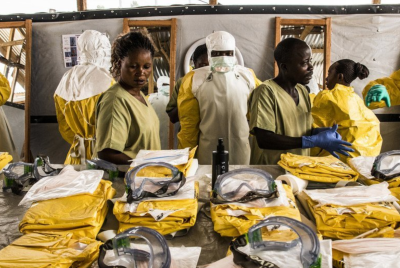
Several holidaymakers described medical services on site as overwhelmed as more people reported similar symptoms. Others said they struggled to get clear information about what was happening, which only added to the fear and confusion.
Their accounts point to a holiday that quickly slipped out of control, leaving people feeling exposed and uncertain far from home.
Investigation Widens as Cases Grow
The number of reported cases has continued to climb, prompting a wider investigation. More than 1,700 British nationals are now believed to have been affected, making it one of the largest incidents of its kind involving UK tourists abroad, Travel Weekly UK reported.
Health officials are looking into possible causes, including food safety and hygiene standards at several resorts. Evidence gathered from some hotels has raised concerns, with video footage said to show mould in rooms, undercooked food and buffet areas surrounded by flies.
Legal Action Signals Growing Anger
Legal action is now under way on behalf of affected families, marking a significant moment in the unfolding crisis. Law firm Irwin Mitchell is reportedly preparing a personal injury case against TUI.
Lawyers say the case will examine whether proper duty of care was followed and whether safety measures were adequate. The outcome could shape not only compensation claims but also how tour operators handle health risks in the future.
For many families, the legal route is not only about compensation. It is about accountability and understanding what went wrong, along with reassurance that others will not face the same ordeal and similar incidents can be prevented.
A Warning for the Travel Industry
The situation in Cape Verde has become more than a single incident. It now stands as a warning about the risks that can arise when large numbers of travellers rely on shared facilities and services.
For holidaymakers, it highlights the importance of safety and clear information. For the travel industry, it underscores the need to act quickly and decisively when problems emerge.
As investigations continue, the focus remains on those affected. Behind the figures are real people whose holidays turned into something far more serious.
The coming months are expected to bring clearer answers. For now, the crisis serves as a stark reminder that even the most idyllic destinations can carry risks that are not immediately visible.
© Copyright IBTimes 2026. All rights reserved.
- Recommended For You