

Sony Faces Lawsuit Over PlayStation Games as Players Question Their Digital Ownership
The dispute is exposing the gap between what gamers think they purchase and what Sony claims they actually receive
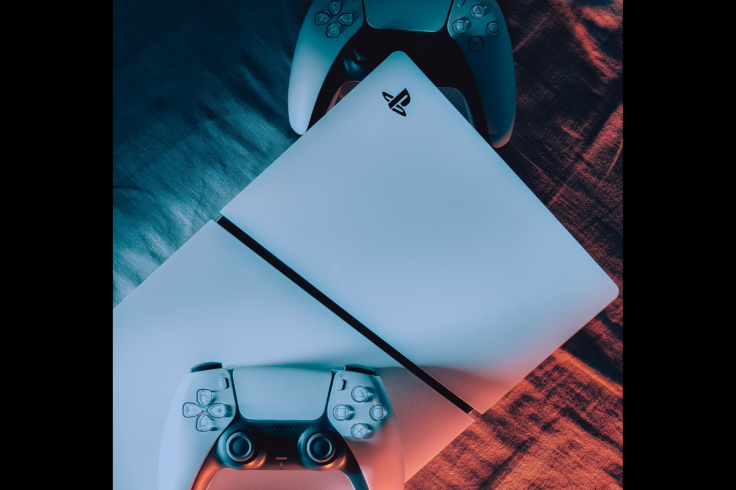
For years, PlayStation users have purchased digital games with a click of the 'Buy' button, often without considering the distinction between buying a game and obtaining a licence to use it. Sony Interactive Entertainment LLC is now facing a proposed class-action lawsuit arguing that the company should make that distinction clearer to consumers. Under Sony's PlayStation software terms, digital games are licensed to users rather than sold to them.
The lawsuit comes as Sony prepares for a major shift towards digital game distribution. The company announced in July that physical disc production for all new games releasing on PlayStation consoles will end in January 2028. After that, new games will be available digitally through the PlayStation Store and retailers. Games already released, or scheduled for disc release before January 2028, will be unaffected.
California Law Requires Clearer Digital Ownership Disclosures
The lawsuit centres on California's AB 2426, which took effect on 1 January 2025. The law generally prohibits sellers of covered digital goods, including games, from using terms such as 'buy' or 'purchase' in a way that could imply unrestricted ownership unless they obtain an affirmative acknowledgement from the buyer or provide a clear and conspicuous statement before the transaction explaining that the purchase grants a licence. The required disclosure must be separate from other transaction terms.
The plaintiffs argue that disclosures contained in Sony's Terms of Service and Software Product License Agreement (SPLA) do not satisfy California's requirements. Sony disputes that position and argues that its existing disclosures make clear that digital games are licensed rather than sold.
Sony Says Its Disclosures Are Clear
In a 21 August filing, Sony argued that its existing disclosures make it unlikely that reasonable consumers would be misled into thinking they own their digital games. Its lawyers pointed to the SPLA, which states that users can use software under its licence but do not own the product. The agreement also states that the software is 'licensed to you, not sold.'
The plaintiffs argue that those disclosures do not satisfy California's requirement for a clear and conspicuous disclosure before the transaction. Sony also argued that it is not plausible for a reasonable consumer to believe a digital purchase gives them unrestricted ownership of a game. The company cited the purchase histories of two plaintiffs to support its argument.
The Resident Evil Example
According to Sony's filing, Edward Heycock bought Resident Evil Requiem for $69.99 on 25 February 2026, while fellow plaintiff Jason Mendoza had purchased the same game on 14 February. Sony used the transactions to argue that consumers could not reasonably interpret a digital purchase as giving them unrestricted ownership of a game.
The example reflects Sony's broader position that a digital purchase grants a licence to use the software under specified terms rather than ownership of the software.
The Case Could Move to Arbitration
The case could be sent to arbitration if the court grants Sony's request to compel the plaintiffs to arbitrate their claims individually rather than proceed with the proposed class action in court. Sony is relying on arbitration and class-action waiver provisions in its PlayStation terms, while the plaintiffs dispute whether those provisions can be enforced in this case.
Sony Corporation of America was originally named as a defendant alongside Sony Interactive Entertainment LLC. Court records show that both companies were named when the case was filed on 18 June 2026.
The case remains pending, and no ruling has determined whether Sony's arbitration request will succeed. The underlying claims also remain unresolved.
© Copyright IBTimes 2026. All rights reserved.