

Donald Trump Reportedly Prepares Executive Privilege Legal Defenses Ahead of Anticipated Midterms
White House's broad interpretation of executive privilege raises legal and political questions
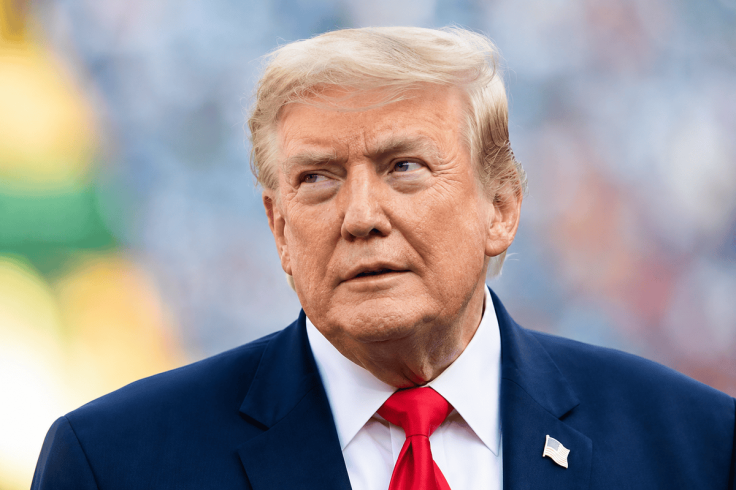
The Trump administration is reportedly preparing executive privilege legal defenses ahead of anticipated midterms, with White House officials already consulting the Justice Department over who qualifies for presidential confidentiality.
The move comes as the administration stakes out an expansive interpretation of secrecy that could potentially extend presidential communications protection to certain private advisers, including people outside the federal government.
To recall, the Justice Department's Office of Legal Counsel issued a memo on 10 August concluding that executive privilege can cover communications with private advisers so long as they relate to official decision-making, involve the president or his direct aides, and remain confidential.
The 21-page opinion, signed by Assistant Attorney General T. Elliot Gaiser, argues the need for presidential confidentiality applies equally to outside counsel as it does to government staff. Timing matters here.
With Election Day just over two months away, the guidance reads like pre-emptive armour should Democrats retake the House or Senate and unleash a wave of oversight probes.
Executive Privilege Debate Intensifies Over Private Advisers
The White House position has quickly drawn fire. Senate Democrats led by Adam Schiff wrote to White House Counsel David Warrington on August 27 insisting that executive privilege is not an unlimited shield designed to insulate private citizens, informal advisers, and non-governmental actors from congressional oversight and public accountability.
Their letter demanded clarity on which non-government figures the White House believes are covered.
White House spokesperson Lauren Bis defended the position, stating that throughout history, presidents have relied on advisers outside the executive branch, and restricting privilege to only government officials would make it impossible for the president to rely on important outside sources.
Legal experts note the stakes are unusually high because Trump's second term has featured an unprecedented amount of interaction between the White House and the private sector, according to Jamie Bair, a partner and head of congressional investigations at Crowell & Moring.
Already, Democrats are signalling they will target several flashpoints. Congressional oversight could focus on the administration's dealings with FIFA, the president's ties to the crypto industry and how those relationships may have shaped federal policy, plus Trump family business interests that critics say intersect with government decisions.
'The private sector folks are going to be completely caught in the middle of this,' Bair said, predicting lawmakers are going to make it as painful as possible for any company that does not hand over documents sought by Congress.
Boris Epshteyn Case Tests Limits of Presidential Secrecy
The first real test could arrive imminently. The Justice Department is seeking to quash an American Bar Association subpoena directed at Boris Epshteyn, a legal adviser for Trump who does not work in the government, in a case brought by the American Bar Association challenging the administration's pressure campaign on law firms.
DOJ filings describe Epshteyn as Trump's personal attorney and argue his conversations with the president would be privileged and confidential.
In an Aug. 18 filing, the administration invoked presidential confidentiality and executive-privilege arguments in resisting a court order requiring it to identify people involved in drafting the executive orders targeting law firms. The DOJ has argued that the subpoena seeks information protected by the presidential communications component of executive privilege.
Trump's opponents have expressed confidence that the administration will not prevail on its broadest privilege claims, while acknowledging that litigation could extend beyond the president's term.
A senior House aide said there are collateral consequences of being held in contempt, of refusing to provide documents, and standing behind a blatantly unlawful assertion of executive privilege.
Democrats believe even the mere threat of pushback from the public, investors, state authorities and future administrations could cause business leaders targeted with subpoenas to participate in oversight probes.
Congressional Democrats have said they are closely watching the Trump administration's arguments and are plotting how best to respond when it is time to fight back. They will say your name on television as many times as possible until the public pressure builds up enough for compliance, Bair said of the tactics lawmakers could deploy.
© Copyright IBTimes 2026. All rights reserved.