

Trump May Have Broken Federal Law by Giving Natalie Harp, Two Other Female Aides $45,000 Each, Ethics Expert Says
Trump's 'holiday gifts' to White House aides may violate federal law, raising questions about whether they count as salary supplements
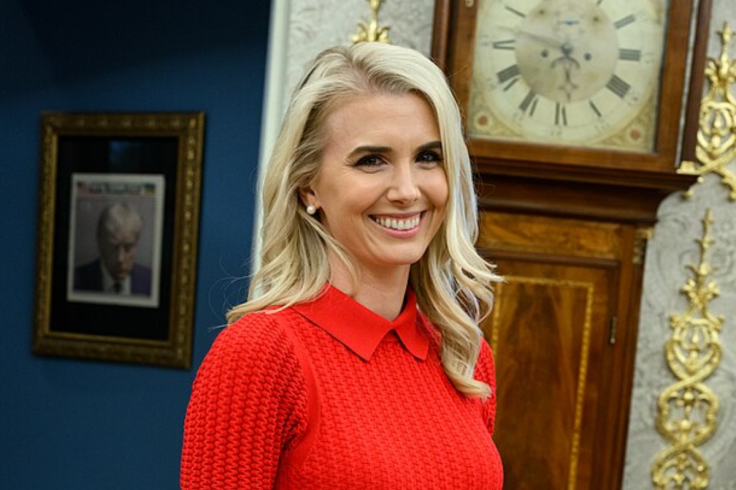
Donald Trump may have violated federal law by giving three female White House aides $45,000 (£33,200) each in holiday cash gifts, according to a former presidential ethics lawyer who says the payments could amount to unlawful salary supplementation.
Newly released financial disclosure forms show Natalie Harp, Margo Martin and Chamberlain Harris each reported receiving a $45,000 (£33,200) 'Cash Gift for Holidays' from Trump. Walt Nauta, director of Oval Office operations, disclosed a separate $20,000 (£14,755) gift. Together, the four payments totalled $155,000 (£114,358).
$45,000 Gifts Equal 30% of Aides' Salaries
Harp, Martin, and Harris each earn $150,000 (£110,669) annually at the White House, meaning Trump's gift equalled 30 per cent of each woman's yearly government salary. Nauta earns $175,000 (£129,114).
Harp, 35, serves as a special assistant and executive assistant to the president. She is known inside Trump's orbit as the 'human printer' because she frequently supplies him with printed copies of news stories and social media posts.
Martin, 31, is a communications adviser who has worked with Trump since his first administration, while Harris, 26, serves as deputy director of Oval Office operations and an executive assistant to the president.
Nauta previously served as Trump's valet and was a co-defendant in the federal classified-documents case involving material kept at Mar-a-Lago. The indictment against him was dismissed in 2024, and the Justice Department dropped its appeal in 2025.
Former White House Ethics Lawyer Raises Legal Alarm
Richard Painter, who served as chief White House ethics lawyer under Republican President George W. Bush, told The Washington Post that the payments appeared to violate a federal law restricting outside compensation for government employees.
'He's clearly trying to make it easier for them financially to work in government service,' Painter said, adding, 'You can't do that.'
Under 18 U.S.C. § 209, federal employees generally cannot receive salary or a contribution to their salary from an outside source as compensation for their government service.
The statute also covers the person making such a prohibited payment, meaning the key legal question is whether Trump's gifts were compensation for the aides' work or genuinely personal holiday gifts. However, another former government ethics official said the publicly available information does not establish that a violation occurred.
Don Fox, a former acting director of the Office of Government Ethics, told the Post that the critical question would be whether Trump gave the money as compensation connected to the aides' government work.
White House Says Gifts Were Personal
The White House rejected the suggestion that Trump broke any rules. Spokesman Davis Ingle said Trump has a longstanding practice of giving Christmas gifts to people around him, including government employees and people in his private businesses.
He said the payments were unrelated to the recipients' official duties and therefore complied with relevant legal and ethics standards. The size of the gifts has nevertheless drawn scrutiny.
Government ethics experts interviewed by the Post said they were unaware of another public example of a US president giving comparable cash payments to White House subordinates.
Even if the gifts are ultimately found to be lawful, Fox said such large payments could leave employees feeling personally beholden to the person who gave them the money.
That concern is particularly striking in Harp's case. One of Trump's closest aides, she is regularly seen by his side and frequently helps turn his dictated thoughts into Truth Social posts, making the $45,000 (£33,200) payment another source of scrutiny around one of the president's most trusted staffers.
© Copyright IBTimes 2026. All rights reserved.