

Trump Insulted Reporter Yamiche Alcindor For Asking About Claiming Oil From Venezuela Source
Trump calls reporter 'very aggressive' after she asks about new Epstein photos
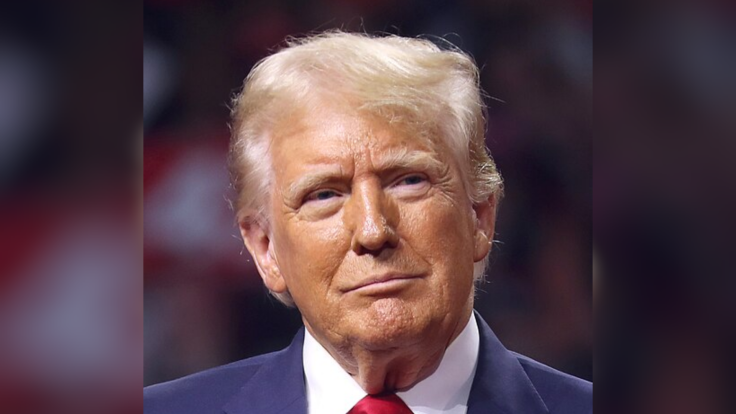
The latest confrontation between President Donald Trump and a female reporter has ignited another firestorm of commentary, underscoring the perpetually combative relationship between the political figure and the press. During a press briefing at the Oval Office on Dec. 12, Mr. Trump was quick to rebuke NBC News correspondent Yamiche Alcindor for asking questions he deemed too direct—a recurring dynamic that has characterised his interactions with journalists for years.
The 79-year-old politician landed in immediate hot water after a line of questioning from Alcindor regarding a highly sensitive foreign policy manoeuvre: the alleged claiming of oil seized from Venezuela. The question was rooted in the Trump administration's ongoing, aggressive campaign to pressure the regime of President Nicolás Maduro, which had recently seen US forces commandeer a tanker carrying tens of millions of pounds worth of Venezuelan crude oil in the Caribbean Sea. It was a move Venezuela had already condemned as 'an act of international piracy'.
When Alcindor sought clarity on whether the US actually intended to 'claim' the oil for itself, the president dismissed the inquiry, suggesting such a disclosure would be strategically unsound.
'It wouldn't be very smart for me to tell you that,' he said. 'We're supposed to be a little bit secretive. You're a very big-time reporter, and I don't think I want to tell a big-time reporter, or a small-time reporter, that. But we are knocking out drugs at levels that nobody's ever seen before'.
The exchange did not end there. As Alcindor, known for her sharp and persistent reporting, pressed on with a follow-up inquiry, Mr. Trump cut her off. The response was not only a refusal to answer but a startling critique of her manner.
'Wait, wait, wait, you have to be nice and easy, nice and easy,' he scoffed, before turning to the men standing beside him, offering a quick, damning judgment: 'She's very aggressive'.
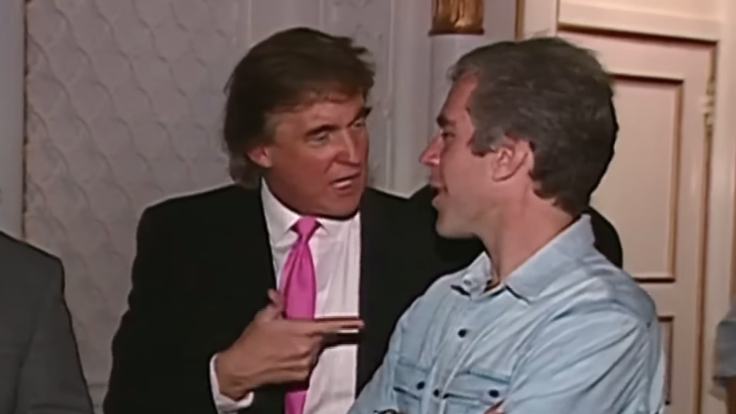
The 'Very Aggressive' Question That Infuriated Donald Trump
The president's remarks immediately drew condemnation from critics who viewed the comment as a familiar attempt to diminish and stereotype a female journalist, particularly one of colour. Yet, Yamiche Alcindor was undeterred. Having been publicly chastised for her 'aggressive' tone, she immediately pivoted to an even more explosive, difficult subject: the newly published photographs from the late convicted sex offender Jeffrey Epstein's private island estate.
Earlier in the week, the House Oversight Committee had released a new cache of images and documents from the estate, some of which showed high-profile figures, including Trump, hanging out with Epstein. This disclosure had sent shockwaves through Washington, confirming the widespread reach of Epstein's predatory network.
Alcindor asked directly: 'There were new Epstein photos released today showing you and also Bill Clinton and Steve Bannon. What was your reaction to those new photos that were released?' It was a question that required Donald Trump to address, in real-time and on camera, his past connection to a figure now synonymous with grotesque crime.
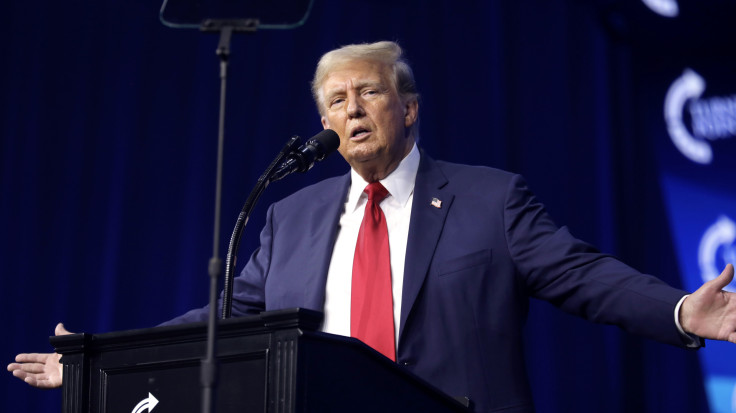
Jeffrey Epstein's Estate and the Photos Donald Trump 'Hasn't Seen'
Trump's reaction to the inquiry regarding the Epstein photos was one of immediate deflection, attempting to minimise the significance of his appearance in the newly released images by arguing that everyone in his social circle knew the financier. He attempted to paint the photo evidence as a consequence of Epstein's ubiquity in Florida's exclusive social circles, rather than a matter of any deeper association or wrongdoing.
'I haven't seen them, but everybody knew this man,' Trump said. 'He was all over Palm Beach, he has photos with everybody. There are hundreds and hundreds of people that have photos with him, so that's no big deal. I know nothing about it'.
The response, while providing the distance necessary for a high-profile politician, did little to quell the intense public scrutiny surrounding the release of the images by the House Democrats. The committee stated they had reviewed over 25,000 images from the estate and released 19 of them, including those featuring high-profile names.
Ultimately, the brief White House press gathering became a flashpoint, demonstrating once again Trump's readiness to challenge a hostile press corps head-on, regardless of the gravity of the questions. In a political environment that demands transparency, the president continues to employ a strategy of counter-attack, reframing the journalist's delivery — calling it 'aggressive' — as a way to avoid a full-throated response to two highly complex and damaging news cycles in a single breath.
The controversy confirms that as long as Trump remains in the public eye, his press briefings will remain less about information dissemination and more about ideological combat.
The confrontation on Dec. 12 perfectly encapsulated the combative relationship between the president and the press: every difficult question is met with an attack on the messenger or a dismissive deflection. With Trump constantly facing intense scrutiny over both foreign policy moves and past associations with figures like Jeffrey Epstein, the fundamental question remains: will journalists like Yamiche Alcindor continue to be labelled 'aggressive' for simply doing their job?
© Copyright IBTimes 2026. All rights reserved.