

'No Entry for Keir Starmer and Labour MPs!': Hundreds of Pubs Bar Labour Politicians After New Business Rates Blow
Labour MPs face pub bans across the UK as landlords protest soaring business rates and Budget impact
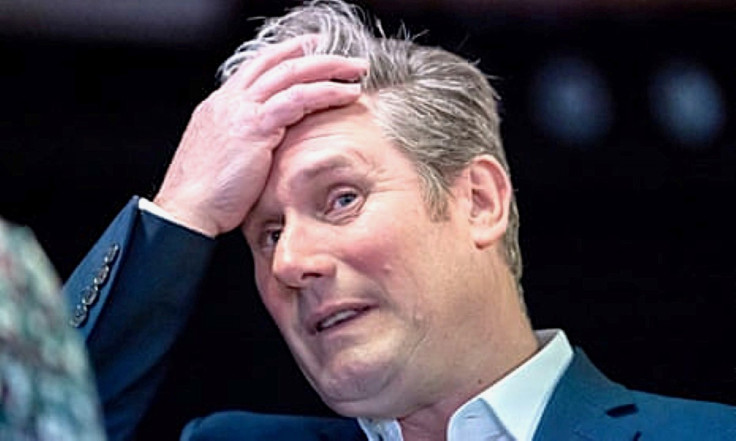
Many pubs and other hospitality businesses across the UK have gone a step further, banning all Labour MPs, including the Prime Minister, Sir Keir Starmer, due to rising business taxes and the Government's recent Budget debacle.
Thousands of landlords complain that the reforms will put pubs at risk of extinction and have launched a grassroots campaign to compel politicians to address the cost pressures on the sector.
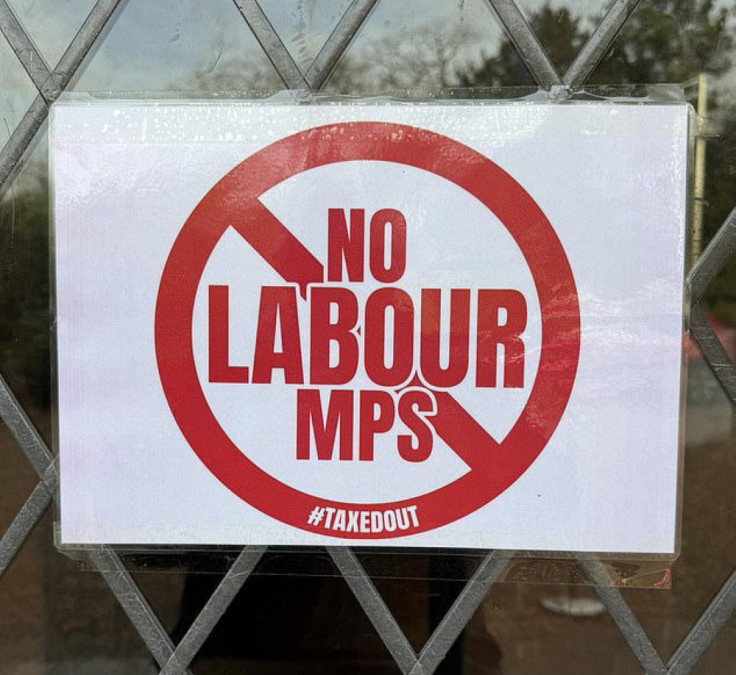
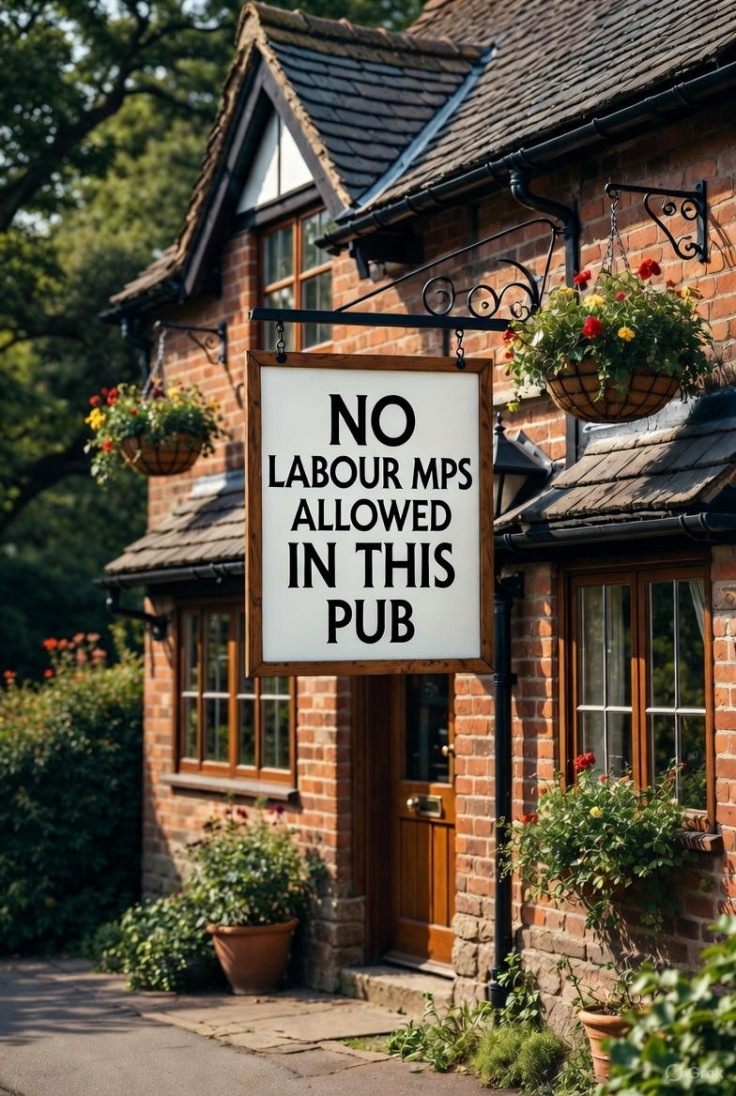
It started as an act of rebellion by one landlord but has now been adopted in most other parts of the country, with signs and stickers bearing the words 'No Labour MPs' being stuck up in the windows of venues.
Rising Business Rates Spark Hospitality Uproar
The opposition comes after the Government Autumn Budget, which introduced changes to business rates, most publicans believe will lead to higher bills despite the Government purporting to reduce the permanent rates for retail, hospitality and leisure businesses.
The reforms would reduce the long-term tax burden for 750,000 small businesses, including pubs, as Chancellor Rachel Reeves stated. But business owners claim that the progressive withdrawal of pandemic-related relief and the new rate regime puts them in a worse position.
One of the first to do so was James Fowler, owner of The Larder House pub in Southbourne, who put a sign on his door in protest against what he described as a 'sneaky increase' in business rates that traders had hitherto known nothing about until a few days ago.
Commenting on Instagram, he said: 'We are now all rather annoyed and very concerned – not just for our own businesses but those across the whole country. We feel we are just being ignored!
'We've kept going on about pressures coming out of Covid, energy price increases, lack of equality compared to Europe with VAT and payroll increases. In the latest Budget, we've been hit with a sneaky rise in business rates, and even when chatting to traders today, they are unaware of it. It's too much now – we are being taxed out!
'Growth is not possible, we are not incentivised to recruit or train – it's too expensive. We've been holding on for too long, and until it's taken seriously, we don't welcome any Labour MPs into our venues.'
Pub owner Andy Lennox, who runs the Old Thatch in Dorset, remarked that already some 150 pubs in the country had taken up the campaign, sending stickers and tips to pub owners throughout the UK. He explained that his rates would increase by 126 per cent by 2028, and profitable venues would have no leeway.
'One of my pubs, the Old Thatch, is Dorset's best pub, having won pub of the year. I employ 200 people, and turnover is good – we're not in a bad place, but we're just not making any money,' Lennox said. 'We took £1.5m last year and made £50,000 – what's the point?'
Government Relief Claims Met With Scepticism
The Government claims that the changes in business rates include the transitional relief and the lower multiplier, the percentage applied in the calculation of tax bills, which the Government claims is the lowest permanent rate since 1991. Chancellors and ministers have indicated that these actions will assist high street businesses, where pubs are among the beneficiaries in the official projections.
Despite such guarantees, many pubs report a dramatic rise in their bills. Pub bosses note that the relief from the previous 40% business rates, limited to £110,000 per business, is being gradually removed, and that small operators are now being charged full rates. Industry organisations say that the average pub might experience a significant increase in rates, even with the new multiplier and transitional support.
Industry Threatens Closures, Job Losses, And Social Impact
The British Beer and Pub Association (BBPA) has been loud and clear in seeking sector-specific attention. Trade leaders demanded a 30 per cent reduction in business rates specifically for pubs at an emergency meeting in London to prevent a wave of closures and job losses. The association projected thousands of jobs would be lost without meaningful reform because pubs would pass on the increased costs.
Figures in the hospitality industry caution that pubs, long known as community hubs and social centres, are being pushed to the brink. Most venues were already grappling with rising energy prices, wage bills, and higher National Insurance contributions. All these have cumulatively made operators feel mistreated compared to large online retailers and other industries that are not subject to such high rate increases.
An alarm has also been raised by pub owners who are not part of the boycott movement. Publicans described themselves as 'petrified' during emergency meetings about closures and job losses resulting from higher taxes and the restructuring of business rates, which would see bills soar. It has been reported that industry representatives are alarmed by the changes that will occur next year, when the long-standing relief scheme ends, and many pubs will now be paying tens of thousands of pounds in annual tax.
Backlash Reaches Administrative Authorities
The revolt has presented an unusual challenge to the Labour Party, which is conventionally believed to be supportive of working-class institutions, such as pubs. Landlords have highlighted that the ban is not a party-political gimmick. Still, a cry of desperation that needs to be acted upon, after years of bleak financial strain and dealings with MPs that they believe have not made any progress.
Beyond Wales and England, there have been calls for support and stickers across the UK, with pub owners well beyond the south of England reporting increased participation. When James Fowler says, 'We feel ignored,' he is indicating that the grassroots campaign has struck a nerve within the sector.
Demands of Reform and Future Prospects
Industry leaders are still urging the Treasury and the Chancellor to reconsider the business rates system, arguing that the current valuation method, which relies on past turnover estimates rather than profitability, disproportionately affects pubs.
According to campaigners, pubs contribute a disproportionate share of the national business rates bill compared to their economic contribution, and many call for a fundamental overhaul of the national business rates bill to better reflect the reality of running a pub in the 2020s.
The 'No Labour MPs' movement can be metaphoric; however, it shows a great deal of frustration. It is yet to be determined whether this force will prompt a policy change. Still, as publicans continue to double, the hospitality industry has announced that it will take its issues directly to the authorities' table until it feels supported.
© Copyright IBTimes 2026. All rights reserved.