

Abraham Quintanilla Cause of Death: Selena y Los Dinos Founder and Legacy Guardian Dies, Son Confirms
Tejano Music Patriarch Dead at 86
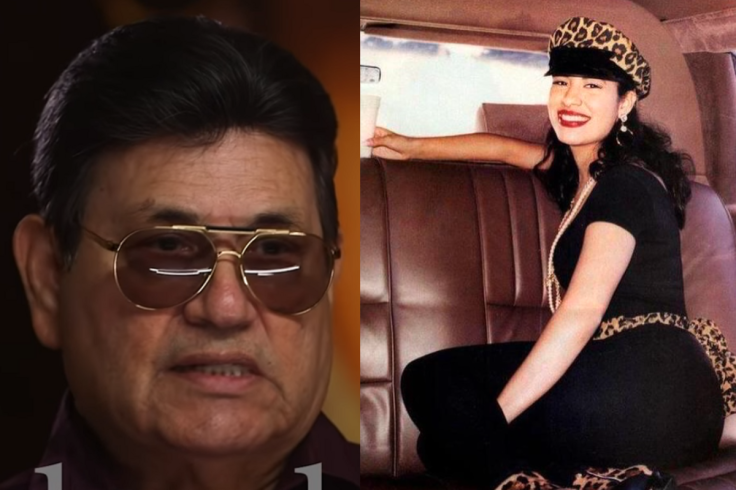
Abraham Quintanilla Jr, the man who built Selena into a global superstar and then spent 30 years protecting everything she left behind, died Saturday at 86. His son AB Quintanilla III broke the news on Instagram that morning, but nobody's saying what actually killed him.
'It's with a heavy heart to let you guys know that my Dad passed away today', AB wrote next to a photo of his father. The Nueces County Medical Examiner's office declined to take the case, indicating no signs of trauma or suspicious circumstances.
The Original 'Dinos' Singer
Abraham was born in Corpus Christi, Texas on 22 February 1939 and got his start with a group called Los Dinos back in 1956. They were doing something pretty fresh for the time–mixing American and Mexican sounds together in South Texas. The band did well enough with Mexican-American crowds across the region, but Abraham walked away from it all in the late 1960s. He wanted to settle down with his wife Marcella Samora and be a proper dad.
That decision looked final until the 1980s rolled around and Abraham realised his youngest kid Selena could really sing. He dusted off that old band name and put together Selena y Los Dinos with Selena out front, AB playing bass, and their sister Suzette on drums. What started as family gigs around Texas turned into something massive–record contracts, packed concerts, the whole works. Abraham managed every bit of it.
Guarding Selena's Legacy
Everything changed on 31 March 1995 when Yolanda Saldívar, who had been running Selena's fan club, shot and killed the 23-year-old singer. From that day forward, Abraham made it his mission to control how people remembered his daughter. He had final say over which songs got released, which projects used her name, and which tributes got his blessing.
He also channelled his grief into institutional preservation. Abraham served as executive producer on the 1997 film 'Selena' with Jennifer Lopez, started The Selena Foundation to help kids in trouble, and opened the Selena Museum in Corpus Christi three years after her death. The museum is still there today, packed with her stage outfits, trophies, and personal bits and pieces. Through his company Q-Productions, he kept working with new artists whilst making sure younger fans discovered Selena's music.
Just last month, Abraham appeared in the Netflix documentary Selena Y Los Dinos: A Family Legacy. The series used loads of home videos nobody had seen before and gave people a closer look at how the family band actually worked.
The Burden of Control
Abraham's tight grip on Selena's legacy rubbed some people the wrong way over the years. Fans and music writers questioned whether he was turning his daughter into a brand, pointing to all the posthumous albums and commercial tie-ins. Abraham admitted those comments stung at first, but said he eventually stopped caring what critics thought.
Back in 2020, he talked about why Selena still mattered to people. 'It was never just the music, people loved Selena', he said, because she genuinely cared about her fans. He also mentioned he reckoned Selena would have had 'three or four or five kids' by now since 'she loved children'. She'd been married to Chris Pérez when Saldívar killed her.
What Happens to Tejano Music Now
Abraham did not just shape his own family's success; he helped define Tejano music itself. His early work with Los Dinos in the 1950s laid the groundwork for the genre, and managing Selena pushed it into the American mainstream during the 1990s. But when she died, the whole scene took a hit it never recovered from. John Lannert from Billboard put it bluntly in 2007: when Selena died, 'the Tejano market died with her'.
Abraham handed over the keys to Q-Productions to Suzette in May 2016, making her chief executive. That move kept everything in the family and made sure Selena's work stayed under Quintanilla control.
He leaves behind his wife Marcella, son AB, daughter Suzette, and millions of fans who reckon he built one of Latin music's biggest stars from scratch.
A Complicated Legacy
Abraham Quintanilla's death closes a chapter that started in 1950s Texas honky-tonks and ended with his daughter becoming a genuine cultural icon. He was there at the beginning of Tejano music's evolution, then masterminded Selena's rise to the top, then spent three decades making sure nobody forgot her. Whether you think he protected her legacy or over-commercialised it depends on who you ask, but there's no arguing he succeeded in keeping Selena relevant to new generations. Now AB and Suzette have to figure out how to honour both their sister and their father's very specific vision for how her memory should live on. That is not going to be easy, especially as ideas about how to celebrate Mexican-American artists keep changing.
© Copyright IBTimes 2026. All rights reserved.