

Trump Administration Directs $2B in Foreign Aid to Faith Organisations Following Deep Cuts to USAID Infrastructure
Largest redirection of US Foreign Aid to religious groups in over two decades
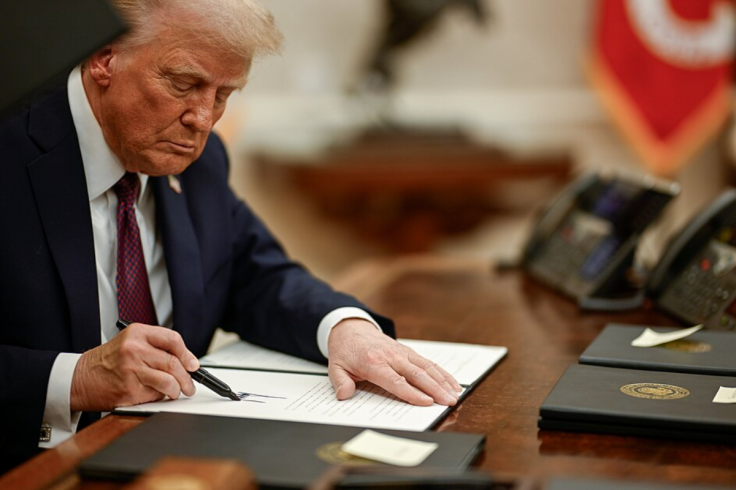
The Trump administration is directing £1.56 billion ($2 billion) in global health and disaster relief to a coalition of Christian humanitarian organisations, in what the State Department says is the largest shift of such aid to religious groups in more than two decades.
The funding names charities World Vision, Compassion International and Samaritan's Purse as primary recipients. The money will be divided across direct health grants, government agreements and disaster response initiatives.
The announcement followed structural cuts to the US Agency for International Development, the federal agency that manages most American civilian foreign assistance. The new allocations align with the America First Global Health Strategy, redirecting resources to clinics operated by faith-based providers in more than 20 countries.
Foreign Aid Redirection and Healthcare Upgrades
The strategy channels £1.09 billion ($1.4 billion) into medical facilities run by faith groups.
World Vision and its local partners will receive up to £663 million ($850 million) over five years to upgrade more than 2,500 medical facilities across 17 countries.
The funding will also provide salaries for over 30,000 community health workers. An additional £444 million ($570 million) will be disbursed through government agreements.
State Department officials said these organisations must now commit at least 80 per cent of their funding to direct patient care, an increase from the 35 to 40 per cent allocation typical of past awards.
Secular and Jewish Faith Organisations Excluded
The department is separately sending £419 million ($538 million) to Samaritan's Purse and a consortium co-led by World Vision and Compassion International. This disaster response package is expected to reach seven million people across 16 emergency zones, with more than £78 million ($100 million) available immediately.
The broader Faith and Community Initiative also names Catholic Relief Services and the Adventist Relief and Development Agency International as strategic partners.
None of the primary award recipients is a non-Christian American organisation. The American Jewish World Service was among those not selected. Group president Tawanda Mutasah stated they only learned of the funding shift after the press release was issued, adding they were not consulted.
Mutasah warned that administration restrictions on funding abortions will prevent some medical aid from reaching vulnerable populations. The atheist group Freedom From Religion Foundation criticised the plan as 'outrageous', arguing the administration is rebuilding foreign assistance around religion rather than pure need.
🚨 IT'S OFFICIAL: President Trump and Marco Rubio are REDIRECTING $2 BILLION to CHRISTIAN humanitarian groups after major cuts were made to USAID — with World Vision, Samaritan's Purse and others on the list
— Eric Daugherty (@EricLDaugh) August 17, 2026
This will be MUCH more effective than sending our dollars into black… pic.twitter.com/6ku0nNMbsm
Evangelicals Defend Restructured USAID Contracts
Supporters maintain that religious charities are well placed to deliver aid. National Association of Evangelicals president Walter Kim said faith groups pair local trust with resources governments alone cannot supply. His group's aid arm, World Relief, previously had contracts cancelled amid USAID cuts but is integrated into the new consortium.
Samaritan's Purse president Franklin Graham confirmed that government money covers only a small share of his group's budget. He said the organisation does not require faith from those it helps, though staff remain free to discuss their beliefs.
Graham said the incoming funds will support field hospitals operating in Venezuela and the Democratic Republic of Congo, where teams are treating Ebola patients. The money will also sustain supply airlifts to Colombia and maintain relief operations in Sudan, where it has operated for more than 30 years.
While many religious groups welcomed the redirected funds, some advocates voiced reservations. Heather Taylor, interim leader of the Christian advocacy group Bread for the World, noted that despite the consortiums' field experience, the administration's overall aid levels still fall short.
© Copyright IBTimes 2026. All rights reserved.