Harvard's Jewish Students Left in Limbo After Judge Throws Out Trump Administration's Antisemitism Lawsuit
Judge Stearns finds insufficient evidence of persistent discrimination at Harvard, dismissing the lawsuit
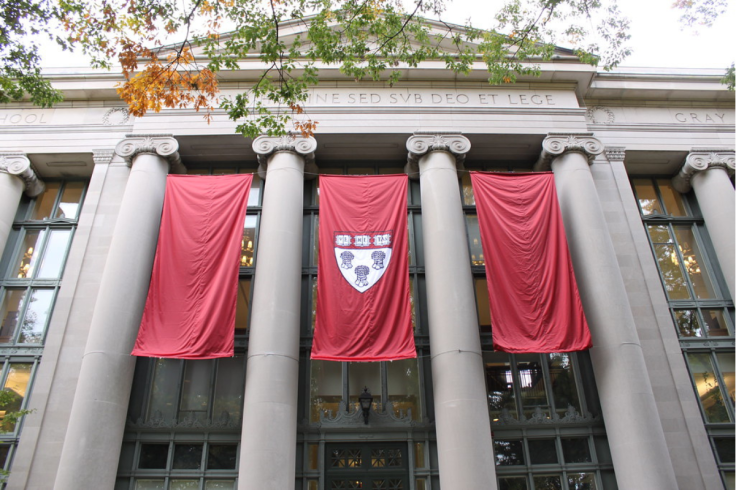
A federal judge in Boston has thrown out the Trump administration's lawsuit accusing Harvard University of failing to protect Jewish students from discrimination on campus, ruling that the alleged incidents did not meet the legal threshold for a civil rights violation.
US District Judge Richard G. Stearns ruled on Thursday that the events cited by the administration were 'too isolated and episodic' to prove Harvard had breached federal civil rights law.
The decision leaves the Jewish and Israeli students whose experiences were detailed in the case without the legal remedy the government sought on their behalf, even as it gives Harvard a win in its funding dispute with Washington.
Background to the Lawsuit
The Justice Department filed the lawsuit in March, arguing Harvard had violated Title VI of the Civil Rights Act, which bars discrimination based on race, colour or national origin in federally funded programmes.
The government sought to freeze £1.93 billion ($2.6 billion) in existing grants and asked the court to order Harvard to repay millions already disbursed. Officials pointed to incidents following Hamas's attack on Israel on 7 October 2023, including students being spat at for wearing a yarmulke, stalked on campus and taunted with chants of 'Heil Hitler'.
Judge Stearns, appointed to the bench by President Bill Clinton, found that nearly all the cited incidents dated from the 2023-24 academic year.
The government could point to only three further incidents over the past two years, which was not enough to establish the 'persistent' pattern of discrimination the law requires.
It is a narrow, technical finding, and one that will likely frustrate students who feel their experiences have been reduced to a pleading standard.
Harmeet Dhillon, the Justice Department's assistant attorney general for civil rights, said the administration disagreed with the decision.
'The Justice Department's Civil Rights Division is actively investigating antisemitism nationwide,' she said in a statement, adding that the division maintains 'an extensive and active portfolio of antisemitism enforcement, including indictments, prosecutions, settlements, and investigations across the country.'
The department is weighing its next move, which could include an appeal. Harvard had argued in its motion to dismiss that the lawsuit was less about protecting Jewish students than about pressuring the institution into political compliance.
Its attorneys called the case 'a continuation of the government's ongoing campaign of retaliation against Harvard for refusing to capitulate to government demands and for exercising its First Amendment rights.'
What the Antisemitism Lawsuit Actually Alleged
While the government accused Harvard of being deliberately indifferent to the harassment, Harvard conceded there had been shortcomings in its early response to campus tensions following October 2023.
However, the university defended its subsequent actions, pointing to a 300-page report from its Presidential Task Force on Combating Antisemitism and Anti-Israeli Bias as evidence of 'sustained, institution-wide efforts' to rectify the climate on campus.
Why Harvard's Legal Fight Is Not Over
This ruling is one step in a longer dispute. Harvard has spent much of the past two years resisting funding threats that other universities largely accepted, framing the disputes as attacks on academic independence.
Whether Thursday's dismissal ends the government's pursuit, or pushes it toward appeal, remains to be seen. For the students whose experiences were central to the litigation, the courtroom outcome answers a legal question. It does not answer theirs.
© Copyright IBTimes 2026. All rights reserved.
- Recommended For You