Revealed: UK Government Pays Influencers £2.4m To Promote Jobs, Benefits and Tax Advice
The Department for Education was the biggest identified spender, while ministers defended creator partnerships as a way to reach younger audiences and people less engaged with traditional communications
UK government departments paid at least £2.4 million to social media influencers between July 2024 and July 2026 to promote public services, tax advice, jobs and official schemes, newly released parliamentary figures show.
The spending, disclosed in answers to questions from Conservative MPs and first reported on The Politics At Sam And Anne's podcast, has sparked a political row over how ministers use online creators.
Ministers and officials defended the spending as a way to reach younger people and audiences less likely to engage with traditional government communications. Departments said influencers could present practical information in a format familiar to people who use TikTok, Instagram and other social platforms.
Reports Confirm Education Department as Top Spender
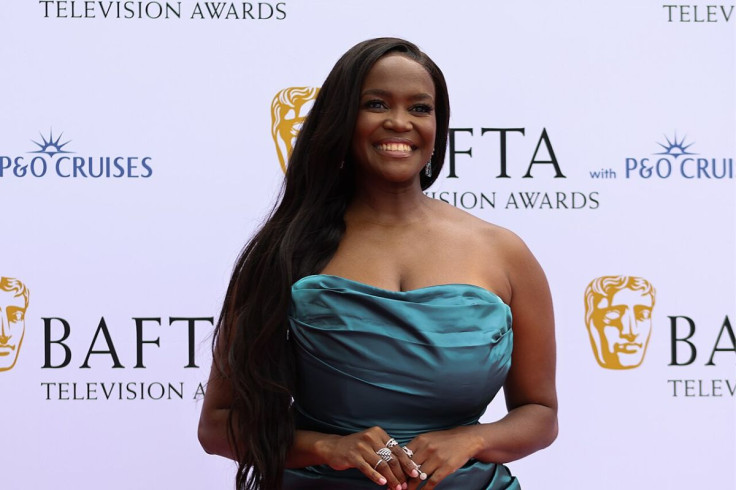
The Department for Education was the biggest spender, recording £718,971 across 57 creators. Its campaigns included the Best Start in Life childcare initiative, teacher recruitment and career guidance. Television personalities Oti Mabuse and Billie Shepherd were among those paid to promote the childcare campaign.
Reality star Gemma Collins also appeared in a post‑16 education campaign, although the department said she was not paid. The figures make education the largest identified area of government influencer spending during the period covered by the parliamentary disclosures.
Other Departments Record Zero Influencer Spending
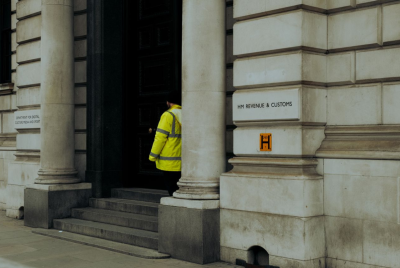
HM Revenue and Customs spent £591,200, excluding agency fees, across 44 influencers. The department said the campaigns aimed to provide clearer guidance on filing tax returns and address misleading tax advice circulating on social media.
The Department for Transport spent £302,873.83, while the Department for Work and Pensions spent £212,425 on information about the transition to Universal Credit and access to employment support. The Ministry of Justice spent £206,140.
The Department for Energy Security and Net Zero reported £176,100, including about £175,000 paid to 16 creators for clean energy and net zero campaigns on TikTok and Instagram. Of that amount, £39,000 was allocated in 2024/25 and £135,000 in the following financial year.
The Ministry of Defence spent £123,173. The Ministry of Housing, Communities and Local Government spent £114,831.95, while the Department for Business, Innovation, Science and Trade reported £39,700. The Treasury and Department for Environment, Food and Rural Affairs reported no spending.
The Home Office and Foreign Office said they did not hold central records of payments to creators. The Home Office had previously paid TikTok influencers under former prime minister Rishi Sunak as part of an effort to discourage small‑boat crossings of the English Channel.
Government Rules Require Checks on Influencers
Government guidance introduced in 2023 requires departments to assess influencers before approving paid partnerships. Checks include audience size, audience demographics and previous political activity. Departments must also consider whether an influencer's past political content could undermine a campaign.
The campaigns operate against a wider transparency problem in influencer advertising. Monitoring by the Advertising Standards Authority found that 43% of UK influencer content failed to meet disclosure requirements, while 34% contained no disclosure at all.
Conservatives Attack Spending as Labour Defends It
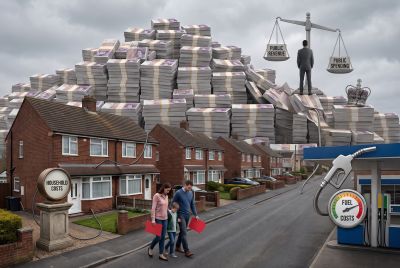
Conservative shadow ministers criticised the spending, arguing that taxpayer money was being used on influencer campaigns while households continued to face financial pressure. A Labour spokesperson defended the spending, saying it was meant to help people save money and access benefits, not promote party politics.
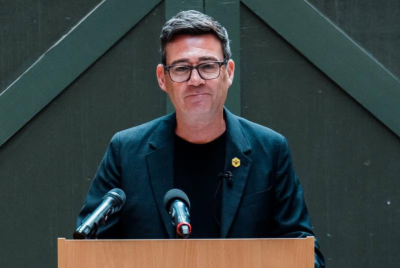
The disagreement is over how the government should share information and whether spending public money on influencers is justified. Prime Minister Andy Burnham has also made social media a key part of his public communications.
Alongside government campaigns involving influencers, Burnham has used his own TikTok and Instagram audiences to communicate directly with the public.
On his first day as prime minister, he posted TikTok videos of himself running with Sir Mo Farah. He also appeared on influencer Max Klymenko's 'career ladder' podcast.
Government departments are increasingly using influencers to reach the public, especially younger people on social media. The spending has also raised questions about the line between public information and paid promotion.
© Copyright IBTimes 2026. All rights reserved.
- Recommended For You