

EU's 'Buy European' Plan Could Bar Chinese Bids but Keep UK Firms in €2.6tn Market
Brussels aims to favour European suppliers with new public procurement regulations
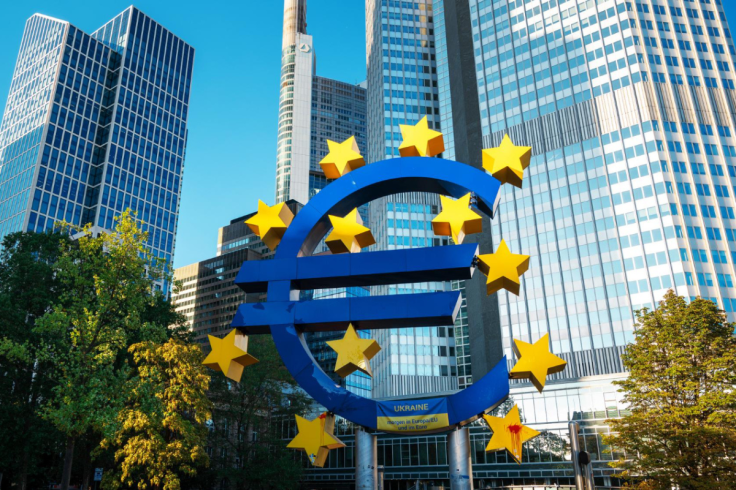
Brussels wants public money spent closer to home, and it has just proposed the tools to make that happen.
The European Commission published a sweeping overhaul of the EU's public procurement rules on Wednesday, giving national authorities, including schools and hospitals, new tools to favour European suppliers over rivals from countries such as China.
The proposal stops short of a blanket 'made in Europe' quota.
However, it would allow public buyers, in defined circumstances, to reject bids where less than half the value comes from EU or covered countries, restrict some tenders to EU firms and suppliers from countries covered by reciprocal procurement agreements, or give an advantage at the award stage to bids with more European content.
€2.5 Trillion at Stake as EU Procurement Rules Tighten
The regulation would replace three existing EU procurement directives with a single set of rules. Public procurement across the bloc is worth roughly €2.5 trillion a year, around 15 per cent of EU gross domestic product, making it one of Brussels' most powerful economic levers.
Commission Executive Vice-President Stéphane Séjourné, who is responsible for Prosperity and Industrial Strategy, said the new rules would give public buyers greater scope to consider European content while respecting the EU's international commitments.
He put the choice in blunt terms: 'It won't be the European Commission's fault if purchasers were to prefer Chinese buses to European buses,' he said, adding that the draft regulation gives 'every possibility to give preference to European buses' instead.
We are tabling two packages - two major shifts for Europe’s economic leadership.
— Ursula von der Leyen (@vonderleyen) September 9, 2026
Our EU Innovation Act will help start-ups access finance and navigate the world of R&D procurement.
And we are revamping public procurement rules.
Making them simpler, clearer and more focused on… pic.twitter.com/HdfqNgBIm5
Why China Faces Tighter Access to EU Procurement
Access to the EU's procurement market for suppliers from outside the bloc depends on the international commitments covering the particular procurement, including the World Trade Organisation's Government Procurement Agreement and trade agreements containing public-procurement commitments.
The European Commission already provides tools for checking whether particular countries and companies have access to specific tenders.
China is not a member of the WTO's Government Procurement Agreement and does not have an EU trade agreement providing the relevant reciprocal procurement commitments, meaning Chinese suppliers can face restrictions under the proposed framework.
Brussels has also raised concerns over foreign subsidies and their potential effect on competition, and in April the Commission approved the consortium's continued participation in a tender for Lisbon's new Violet metro line after it agreed to replace Chinese rolling-stock company CRRC Tangshan with Polish manufacturer PESA.
China's Chamber of Commerce to the EU pushed back on the plan, warning it could 'distort a level playing field' and arguing that procurement 'should not discriminate against suppliers or goods on the basis of the supplier's nationality or the country of origin of the goods.'
A city can now say no to a company just for being Chinese.
— Unbiased Headlines (@UnbiasedHdlns) September 9, 2026
- Brussels wants European content to count for at least 30 percent of every public contract score.
- Fall below 50 percent European content on big contracts and your bid can get rejected outright.
- China is already… pic.twitter.com/YZSUBnmyPq
UK Suppliers Retain Access Under Existing Agreements
Britain is not left in the same position. The UK remains a member of the WTO's Government Procurement Agreement, and its trade relationship with the EU also provides procurement access beyond the GPA in some areas.
The EU-UK Trade and Cooperation Agreement incorporates the GPA and provides additional bilateral market access.
'There should not be any difficulties for the UK,' Séjourné said, according to a report on the matter.
An online tool is also planned so public buyers can check which countries retain guaranteed access under the EU's web of trade agreements.
The proposal also provides mechanisms for determining which third-country suppliers and countries receive access under the new framework, taking account of existing international commitments and reciprocity.
Those mechanisms would operate within the legal framework of the proposed regulation rather than allowing the Commission to remove a country's access without a defined process.
The proposal still needs to be agreed by the European Parliament and EU member states before it becomes law, and it is likely to change during that process.
For now, it signals a shift in how Brussels intends to use public spending as leverage to strengthen European industry and reduce strategic dependencies, including on China, while seeking to preserve existing trading relationships such as those with post-Brexit Britain.
© Copyright IBTimes 2026. All rights reserved.