Britain's 95,000-Strong Veteran Reserve Faces Its Biggest Recall Test in Years
The 2027 mobilisation exercise will test recall systems and reveal workforce pressures across the UK
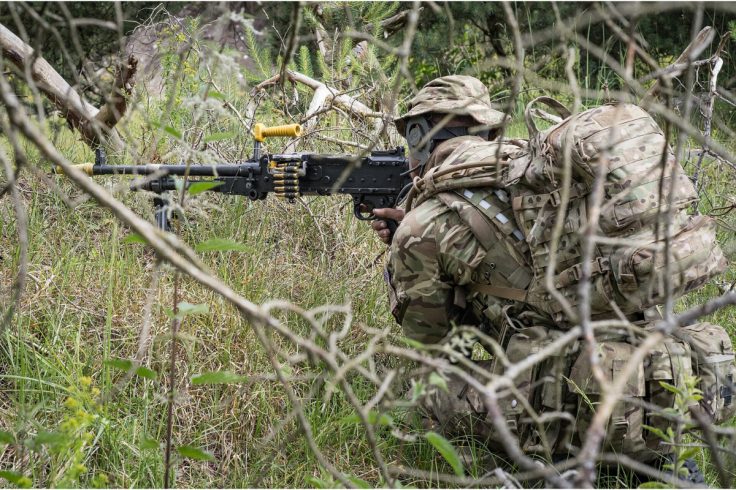
Britain will put part of its 95,000-strong Strategic Reserve to the test in 2027, calling up former service personnel for an exercise designed to see how quickly veterans can be returned to duty in a crisis.
Armed Forces Minister Louise Sandher-Jones confirmed the plan at a House of Lords hearing on 7 September, although the Ministry of Defence has not said how many veterans will take part.
Then-Armed Forces Minister Al Carns told MPs in March that the Strategic Reserve numbered about 95,000. It covers former service personnel who still face a legal liability for recall. The 2025 Strategic Defence Review called for greater use of this reserve. It also backed annual training and better digital records.
Defence has already started rebuilding those records. Lord Lancaster told peers in July that officials had checked tens of thousands of former service records and restored them to defence databases.
The 2027 exercise will test whether those records work in practice. It will also measure how quickly Defence can find eligible veterans and return them to service. The Ministry of Defence plans to use only a cohort from the wider Strategic Reserve. It has not announced the size of that group.
Armed Forces Bill Would Expand Recall Rules
The Reserve Forces Act 1996 governs the current recall system. It allows the government to recall former personnel during national danger or a great emergency.
The law also permits recall after an actual or expected attack on the UK. The Armed Forces Bill would widen those powers.
The Bill would allow recall while the armed forces prepare for or conduct warlike operations. It would also raise the maximum recall age for some personnel from 55 to 65.
The proposed law would standardise recall liability across the armed services. Parliament has not yet approved those changes.
The Bill remained under House of Lords scrutiny in September. The government expects the reserve reforms to start in spring 2027 if Parliament approves the legislation.
The new rules would not affect people who had already left service under earlier terms. Former personnel could choose to opt in. People serving when the rules take effect could opt out. The government would therefore apply the new system mainly to future service leavers.
Carns also told MPs that about 14,900 people leave the Armed Forces each year. The proposed rules could increase the reserve as future service leavers enter the system.
Employers Could Feel the UK-Wide Effect
The recall system also reaches into civilian workplaces. Many former service personnel now work in jobs across Britain. The government wants the Strategic Reserve to keep access to specialist experience. Parliamentary scrutiny has highlighted cyber, engineering and medical skills.
A recall could remove skilled employees from civilian jobs for a period. Employers can seek financial help when the armed forces call up a worker.
Businesses can claim some replacement, recruitment and training costs. Eligible small and medium-sized employers can also receive £500 a month for each full-time employee who mobilises.
The support scheme does not cover lost profits, turnover or goodwill. Employers must also meet the relevant eligibility rules. Employers may ask for a delay or cancellation if an absence would seriously harm the business. Military authorities then decide whether to approve the request.
The 2027 exercise will test these arrangements before any large emergency recall occurs. Defence will check how quickly it can find eligible veterans and process their return to service.
The exercise will also show how recall affects civilian employers across the UK. It will give Defence a clearer picture of how the Strategic Reserve would function during a national crisis.
© Copyright IBTimes 2026. All rights reserved.
- Recommended For You