

Stock Up on Food and Water: UK Develops Plans for War, Cyberattacks, and Food Shortages
Cabinet Office campaign urges households to prepare as the War Book is revived
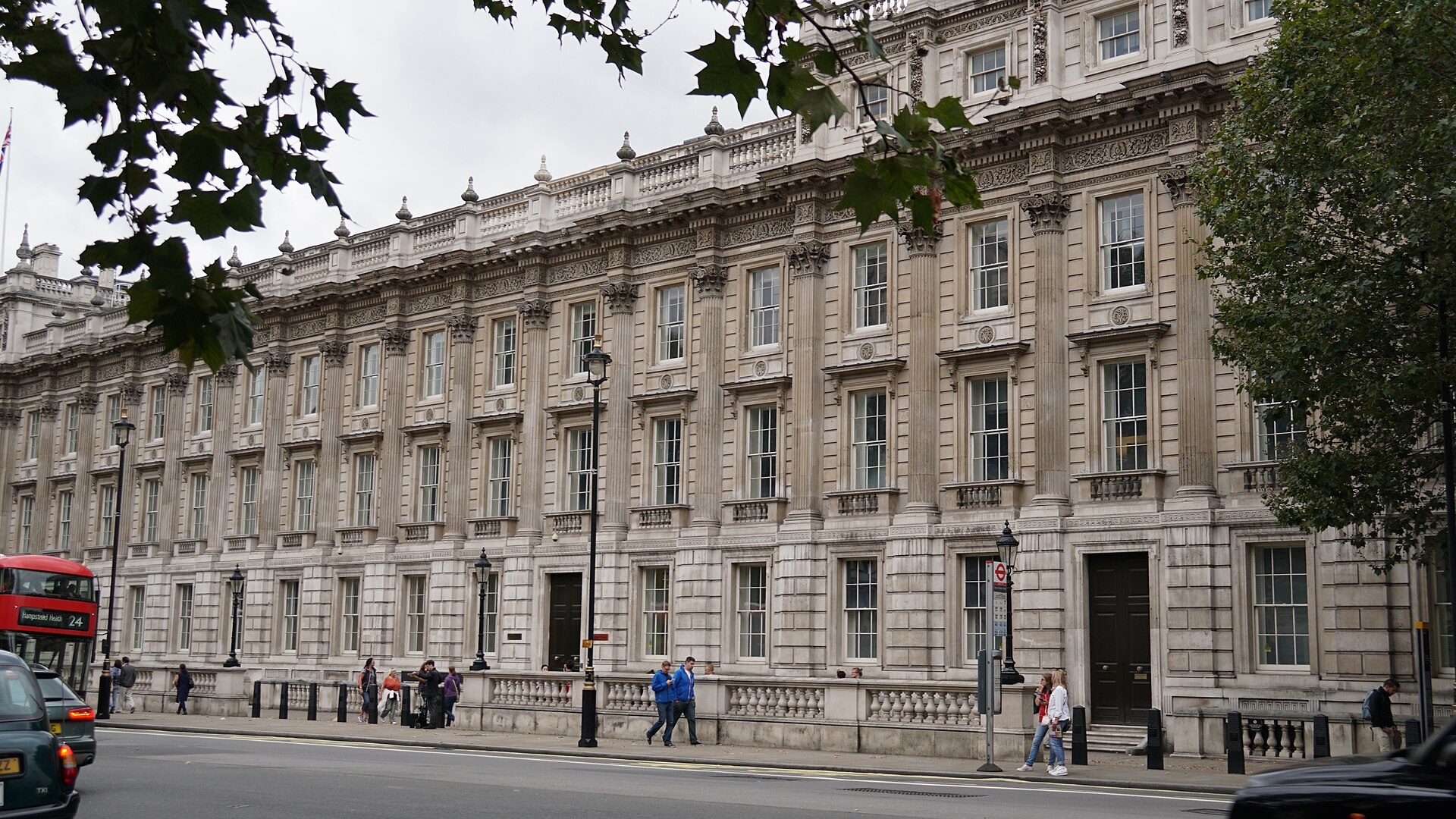
UK households will be urged to stock up on tinned food and bottled water under a new government resilience campaign drawn up in response to a summer of extreme weather and a rising threat from hostile states.
The campaign, led by the Cabinet Office, aims to ensure most households hold basic supplies and know how to cope if an emergency disrupts food, water, or power, freeing up government resources for the most vulnerable, government sources said.
Officials say the campaign will cover threats ranging from extreme heat, flooding, and drought to cyber-attacks and the actions of hostile states. They have framed the advice as practical and low-key rather than alarmist, and unlike the civil-defence drills of the Cold War, with the focus on simple steps such as keeping bottled water and canned food at home.
Louise Haigh, the Cabinet Office minister and Andy Burnham's de-facto deputy, is understood to be coordinating crisis planning across Whitehall to allow swifter assistance to affected communities.
The Cabinet Office said: 'Safeguarding national security is the first priority of any government.' It added that it was committed to raising awareness of simple steps households could take to become more resilient, and to driving forward the home defence programme.
A Summer of Record Heat and Wildfires
The campaign follows weeks of extreme weather across Britain. The Met Office recorded 38.1C at Kew Gardens on 13 August, the highest temperature of the year. Fire services said the number of wildfires in England and Wales in 2026 had already passed the 2025 total of 1,017, with 11 major incidents declared in a single 24-hour period.
In Stourbridge, in the West Midlands, a fast-moving grass fire spread into a residential area and damaged several homes. West Midlands Fire Service, which called it one of its most significant incidents, said a child and three firefighters were among those taken to hospital.
Burnham chaired a Cobra meeting on 12 August, deployed military support to the firefighting effort, and banned the sale of disposable barbecues, urging people not to light fires and describing Britain as a 'tinderbox'.
Drought warnings were issued across parts of England, and the government said the campaign would also address flooding, a threat Burnham had highlighted during his campaign to become Makerfield MP.
The government faced criticism last week over an emergency phone alert warning of wildfires, which charities and domestic abuse survivors said could put at risk people who keep a hidden phone.
Preparing for Attacks by Hostile States
The government is also reviving its so-called War Book, the central protocols that set out how ministries and officials would operate in the event of war or a direct threat to British territory.
The document was last comprehensively updated in 2004, and military chiefs acknowledged earlier this year that the UK had no comprehensive national war plan, with work underway on a modern version.
The plans, reported by the Financial Times, include a fresh assessment of the government's preparations for a military attack by a hostile state. A national home defence exercise, described as the largest of its kind in decades, is planned for 2027.
Dieter Helm, professor of economic policy at the University of Oxford, has warned that Britain's energy network is highly exposed to attack, pointing to the electricity interconnectors with Europe, the gas pipeline from Norway, and the country's offshore wind farms.
Downing Street has insisted the UK's energy system is among the most resilient in the world. Last week, hackers linked to Iran were blamed for a cyber-attack that briefly shut down a British power plant. The government said the incident involved a small-scale generator and posed no risk to the wider energy system, but described it as an escalation in the threat to UK infrastructure.
Keir Starmer, Burnham's predecessor, warned before leaving office that Russia could attack a North Atlantic Treaty Organization (NATO) country within four years, according to western intelligence assessments.
Visiting Ukraine on Monday, Burnham accused the Kremlin of 'outrageous threats' against the UK after Britain gave Kyiv newly declassified blueprints to improve its production of long-range missiles.
Dmitry Peskov, Vladimir Putin's spokesperson, said the move would add 'fuel to the fire' and damage moves towards a peace deal, and said Britain was involved in the war on the side of Kyiv.
© Copyright IBTimes 2026. All rights reserved.