

United Nations Blasted For Condemning Epstein Files Despite Records of Ghislaine Maxwell Speaking at UN-Related Events
Critics question the UN's moral authority amid revelations of Ghislaine Maxwell's past involvement in UN events.
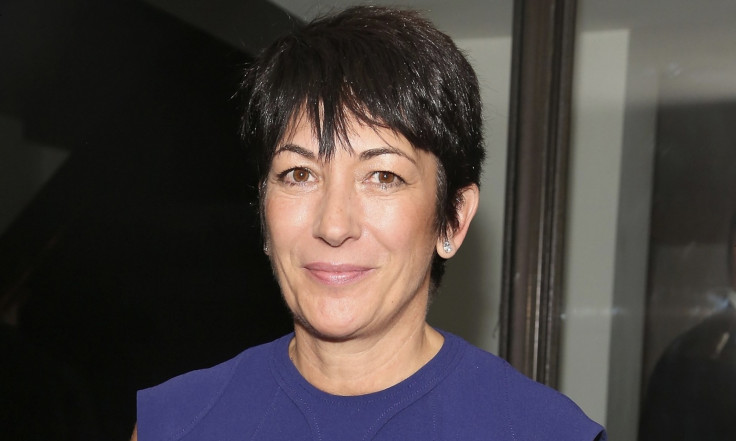
The United Nations likes to see itself as the world's moral referee: issuing resolutions, censuring governments and setting down, in solemn language, what is and is not acceptable behaviour in a civilised society. So when the organisation weighed in on the newly released Jeffrey Epstein files, condemning the scandal and urging accountability, many would have nodded along. Of course the UN is against sex trafficking, abuse and elite impunity. Who would not be?
UN experts concerned that flawed ‘Epstein Files’ disclosures undermine accountability for crimes against women & girls.
— UN Special Procedures (@UN_SPExperts) February 16, 2026
The files have shocked the conscience of humanity and raised terrifying implications of the level of impunity for such crimes.https://t.co/7jxf9lm3oH pic.twitter.com/enKUC57Ftv
But for a growing number of critics online, that statement landed with an almighty thud of hypocrisy. The reason is not obscure, nor especially disputed. Epstein's long-time associate, convicted sex offender Ghislaine Maxwell, did not simply orbit in the vague diplomatic ether.
She appeared at UN‑related events. She shared space, and occasionally a platform, with the very universe now shaking its head at the Epstein saga. Or, as one widely shared post on X (formerly Twitter) put it rather less delicately: 'Ghislaine Maxwell spoke several times at the UN, you hypocrites. She is literally part of your club.'
Ghislaine Maxwell spoke several times at the UN, you hypocrites. She is literally part of your club. https://t.co/LJRWuU1Sx7 pic.twitter.com/usUQxR1qau
— Aya Velázquez (@aya_velazquez) February 16, 2026
The Ghost of Ghislaine Maxwell
The detail about Maxwell's UN presence has been around for years, but the resurfacing of the Epstein court documents has given it fresh charge. At the centre of the anger is a basic, uncomfortable question: how did a woman who is now serving a 20‑year sentence for sex trafficking minors manage to glide through some of the world's most prestigious institutions with so little friction?
Ghislaine Maxwell footage from her prison cell
— TONY™ (@TONYxTWO) February 7, 2026
Imagine living like this for 20 years
pic.twitter.com/WNkNY1JfaO
Maxwell, who reinvented herself in the 2000s as a kind of glossy, philanthropic networker, founded the now‑defunct TerraMar Project, an environmental non‑profit ostensibly focused on ocean conservation. It was under this banner that she appeared in and around the UN system, including at side events connected to sustainability and the oceans.
The optics are jarring in retrospect. The language of those gatherings — global stewardship, protecting the vulnerable, responsible governance of the seas — now sits alongside sworn testimony of how Epstein and Maxwell exploited vulnerable girls and operated with staggering impunity.
No one is seriously suggesting that the UN endorsed Maxwell's crimes, or that diplomats were quietly complicit in Epstein's abuse. But that is exactly why the fury is so pointed. Critics argue that a system which was eager to platform Maxwell in her 'global do‑gooder' phase now wants to pretend it was always on the outside looking in. And that, frankly, is not believable.
‼️ Ghislaine Maxwell Claims There Was "Nothing Inappropriate" About Jeffrey Epstein's Massages https://t.co/Md0KVdE5ru
— TMZ (@TMZ) January 31, 2026
🎥 DOJ pic.twitter.com/Lzj5uvgjSl
Why the UN's Epstein Files Statement Rings Hollow for Many
There is something almost theatrical about the UN condemning the Epstein files from the safety of a press release. It is the sort of grand moral posture the organisation has perfected: lofty rhetoric, careful phrasing, very little introspection about its own role in elevating the types of people who later feature in the very scandals it decries.
The Maxwell connection is not the only reason eyebrows are being raised. The UN has a bruised record on sexual exploitation more broadly, from peacekeeper abuse scandals in Haiti and the Central African Republic to whistleblowers ignored or sidelined when they tried to raise the alarm. That institutional history sits there, unmentioned, every time officials reach for high‑minded outrage.
So when an X user snaps that Maxwell is 'literally part of your club,' they are getting at something larger than one socialite at one podium. They are pointing at a pattern: powerful networks confer legitimacy on charming, well‑connected figures; the same networks later affect shock when those figures are exposed as predators.
What makes this particularly hard to swallow is the distance between how victims moved through the world and how Maxwell did. The girls and young women described in the Epstein case were disposable, voiceless, often poor. Maxwell, by contrast, slipped into UN venues, flew on private jets, and spoke the language of 'global partnership' with ease.
When the UN now expresses concern about what the Epstein files reveal, it is technically correct. Of course those documents are horrifying. They show how money, power and social capital can be weaponised against the vulnerable. But critics are also right to say that the organisation did not merely observe this world from afar. It hosted it, at least in part, on its own stage.
There is a way the organisation could answer that charge with some dignity. It could acknowledge that, like many institutions, it failed to apply genuine scrutiny to the glittering NGOs and celebrity-adjacent projects that flocked to its conferences. It could admit that its vetting of who receives a microphone is sometimes lax, especially when a person arrives with the right surname, the right Rolodex and a charity that looks good in a brochure.
Instead, the instinct tends towards denial or distance. Maxwell, in this version, is rewritten as a random aberration who once drifted through a side event, nothing to do with the serious business of international governance. That may be more convenient, but it does not wash.
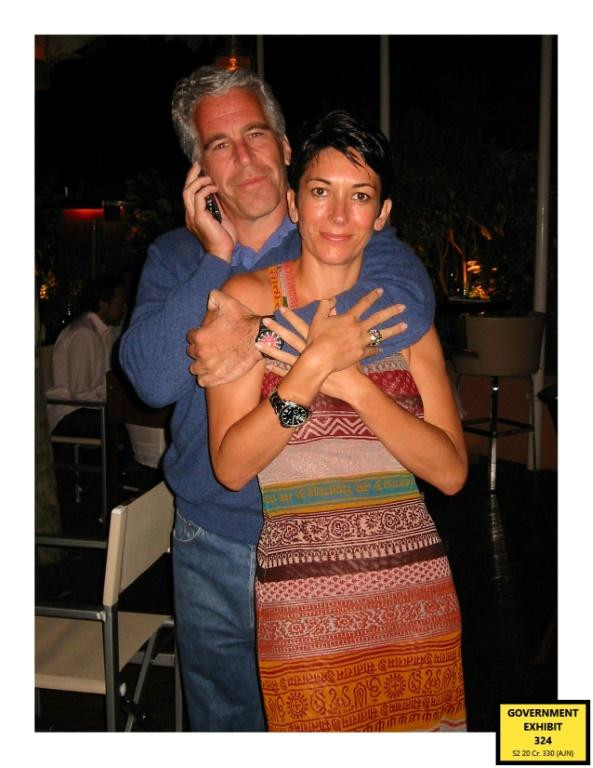
The Epstein files are forcing an overdue reckoning with how elite abuse is sustained: through institutions flattered to be courted, too dazzled to ask hard questions and reluctant to revisit their own complicity once scandal breaks. The UN is hardly unique in that. But for an organisation that trades so heavily on moral authority, the standard ought to be higher
Condemning Epstein is easy. Examining how Ghislaine Maxwell found a welcome in UN-adjacent spaces — and what that says about who is trusted, and why — is far harder. Without that scrutiny, the outrage risks sounding like what many online critics already suspect it is: performance.
© Copyright IBTimes 2026. All rights reserved.