

Blue Alert Explained: Why Your Phone Buzzes When Police Are Targeted
A guide to Blue Alerts: their purpose, criteria, and how they work.
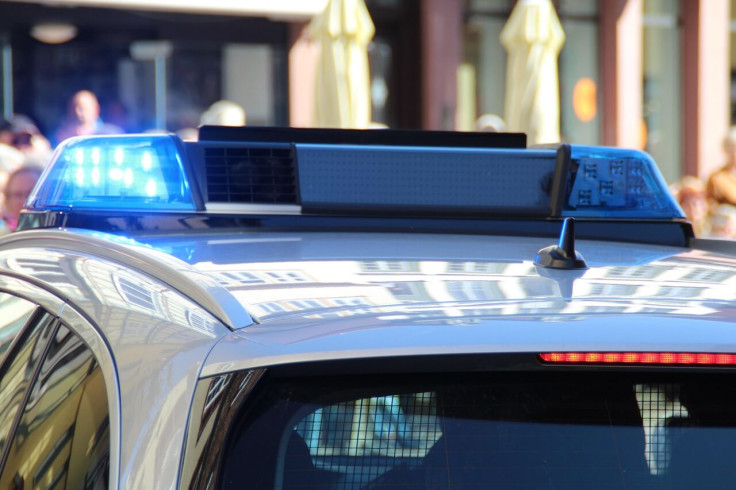
A Blue Alert is an emergency notification broadcast to the public when a law enforcement officer has been seriously harmed, killed, or gone missing in connection with their duties, and a suspect is still at large. It is designed to enlist the public's help in locating dangerous individuals who pose a threat to police or the wider community.
The name reflects its focus on law enforcement ('blue' being traditionally associated with police), much like Amber Alerts are linked with missing children and Silver Alerts with missing elderly people.
Why Your Phone Buzzes With A Blue Alert
If you receive a Blue Alert on your mobile phone, it's because authorities have issued an urgent message through systems such as the Wireless Emergency Alerts (WEA) or the Emergency Alert System (EAS).
These systems were originally designed for widespread alerts about immediate danger, such as severe weather or child abductions, but now include Blue Alerts as a distinct category.
The alerts are broadcast with a special event code, 'BLU', so mobile networks and broadcasters can label the message correctly and interrupt normal programming to deliver it.
A phone buzzes, often with a loud tone, because the message is treated as an emergency public safety alert, similar to weather warnings or AMBER Alerts. That's intentional: authorities want the message to attract attention quickly so that bystanders can be vigilant and potentially assist law enforcement.
When Are Blue Alerts Issued?
Blue Alerts aren't random. There are strict criteria that must be met before one is issued, as they are typically reserved for the most serious incidents. The core triggers include:
- A law enforcement officer has been seriously injured or killed while performing official duties.
- An officer is missing under circumstances that suggest serious harm.
- There is an imminent and credible threat to kill or seriously injure a police officer.
- The suspect has fled the scene and remains at large.
- Enough descriptive information about the suspect (or their vehicle) exists to help the public identify and report them.
How Blue Alerts Work In Practice
Once a Blue Alert is authorised by a law enforcement agency, it is disseminated through multiple channels:
- WEA texts to mobile phones within a defined area.
- EAS interruptions on radio and TV broadcasts.
- Highway message signs and digital signage in an affected area.
- Other local media outlets participate in public safety alerting systems.
Local and state agencies typically decide how large an area the alert should cover based on where they believe the suspect might be heading. This can mean that people some distance away from the incident still receive the alert.
What You Should Do If You Get A Blue Alert
Unlike routine news notifications, a Blue Alert is a public safety message, and your response should prioritise caution:
- Do not try to approach or confront anyone matching the description. The suspects involved are presumed dangerous.
- Take note of any descriptive details in the alert, such as a vehicle's make, model, colour, or licence plate.
- Contact emergency services (such as 911 in the US) if you have verifiable information that could help police. Talk to them directly rather than relaying general questions about the alert itself.
Why Blue Alerts Are Rare
Unlike weather warnings or Amber Alerts, Blue Alerts are relatively uncommon because they rely on serious incidents involving law enforcement officers and ongoing suspects. The system is also carefully controlled so that alerts are issued judiciously, preventing overuse and alert fatigue among the public.
Blue Alerts represent a crucial tool in modern public safety communication, and while they can be surprising when your phone buzzes at an unexpected time, the aim is to protect the community by sharing critical, actionable information with as many people as possible.
© Copyright IBTimes 2026. All rights reserved.