Senate Blocks Crypto Clarity Act After Letitia James and 17 State AGs Warn of Fraud Risks
The 49–50 procedural defeat came after a bipartisan group of attorneys general warned the bill could weaken state fraud enforcement, while Democrats pressed for tougher ethics rules

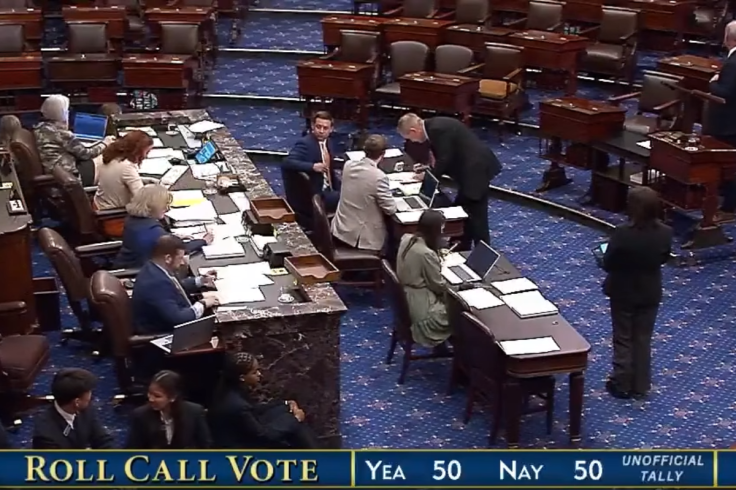
The US Senate blocked the Digital Asset Market Clarity Act from advancing on Tuesday after a 49–50 cloture vote fell 11 votes short of the 60 needed to open debate on H.R. 3633. No Democrat voted to advance the bill, while four Republicans, Susan Collins, Josh Hawley, Jerry Moran and Thom Tillis, also voted against it.
The defeat came a day after New York Attorney General Letitia James led 17 other attorneys general in warning senators that the bill could weaken states' ability to pursue cryptocurrency fraud.
Their letter did not change the floor math, but added a state-enforcement objection to a negotiation already stalled over ethics, market structure and the federal regulation of digital assets.
State AGs Warned of Fraud Enforcement Risks
James and the other attorneys general argued that the bill's definition of 'qualified transactions' and its federal pre-emption provisions could limit state authority over digital asset firms and transactions.
'As written, the Clarity Act would embolden scammers and potentially strip attorneys general of our authority to protect our states' investors and their wallets,' James said.
The coalition included officials from 17 other jurisdictions, including Republican Kansas Attorney General Kris Kobach and Ohio Attorney General Dave Yost.
It cited FBI data showing $11.4 billion in reported cryptocurrency-related losses in 2025, a 22% increase from the previous year, and said states had brought more than 330 anti-fraud actions involving crypto since 2017.
The attorneys general did not argue against federal crypto rules generally.
Their objection centred on whether the proposed federal framework would pre-empt state laws and reduce the ability of state officials to pursue conduct they consider fraudulent.
That concern remained separate from the ethics provisions that had become a major obstacle in negotiations between Senate Republicans and Democrats.
Ethics Fight Still Held up The Bill
The revised package included new ethics restrictions covering federal officials with cryptocurrency interests.
Republican negotiators and the White House agreed to provisions restricting certain federal officials and their spouses from issuing or sponsoring digital assets, while the final proposal also sought to give state attorneys general a role in enforcing the new ethics rules.
That concession did not resolve the broader dispute. Democrats wanted stronger restrictions covering existing crypto interests and other ways federal officials or their families could benefit from the industry.
They also questioned whether the proposed enforcement system would be strong enough to make the restrictions effective.
Senators remained divided over other parts of the bill, including stablecoin rewards, the potential effect of crypto activity on community‑bank deposits and the respective roles of the Securities and Exchange Commission and Commodity Futures Trading Commission.
The ethics package therefore failed to produce the Democratic votes Republicans needed. The four Republican defections made the margin even harder to overcome.
House-Passed Bill Remains on Senate Calendar
The House passed the CLARITY Act 294–134 on 17 July 2025, more than a year before Tuesday's Senate vote. The legislation had already been through months of negotiations before Republicans brought a revised version to the Senate floor.
Tuesday's vote was procedural. Senators were voting on whether to invoke cloture on the motion to proceed to H.R. 3633, not whether to pass the legislation into law. Because cloture failed, the Senate did not open floor debate on the bill.
The legislation remains on the Senate calendar. But with the November midterm elections about seven weeks away, lawmakers have limited time to revive negotiations and assemble the 60 votes needed to proceed.
For now, the CLARITY Act remains blocked from Senate debate, with disputes over state fraud enforcement, federal market regulation and crypto ethics still unresolved.
© Copyright IBTimes 2026. All rights reserved.
- Recommended For You