Trump Agrees to Crypto Ethics Rules Only After His Own Crypto Fortune Becomes the Problem
The compromise would require some officials and spouses to divest significant crypto interests or place them in qualified blind trusts, while expanding state enforcement powers
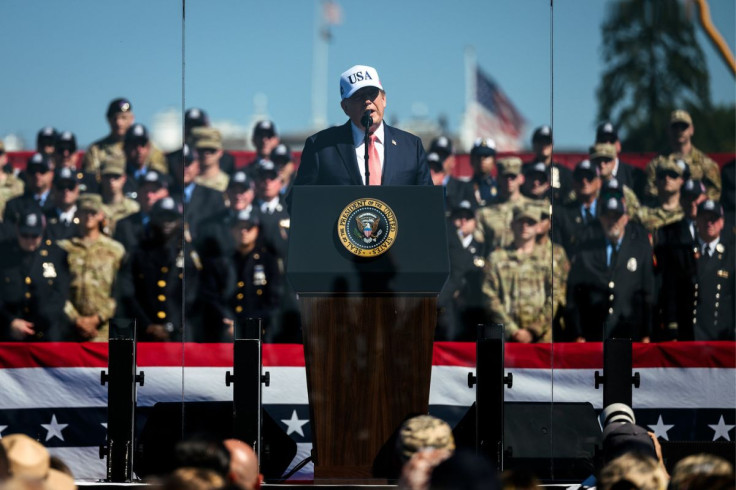
President Donald Trump has agreed to tougher crypto ethics restrictions after his financial interests in the industry became a sticking point in negotiations over the Digital Asset Market Clarity Act, known as the CLARITY Act, ahead of a crucial Senate vote on Tuesday, 15 September.
The compromise would require certain covered officials and their spouses to divest significant financial interests in specified crypto-related businesses or place those holdings in a qualified blind trust. It would also give state attorneys general a role in enforcing parts of the legislation, addressing a major Democratic objection to earlier versions.
Trump has thrown his weight behind a landmark crypto bill, but banks are fighting back https://t.co/DppLje9pv5
— Bloomberg (@business) September 14, 2026
The agreement comes after Democrats and Republican Senator Thom Tillis of North Carolina pushed for stronger conflict-of-interest protections. Earlier language prohibited federally elected officials, their spouses and federal judges from issuing digital assets but did not impose comparable divestment requirements.
The debate has intensified because Trump's latest financial disclosure reported more than $1.4 billion in crypto-related income for 2025, much of it tied to ventures associated with his family.
Trump Accepts Most of Ethics Proposal
Republican Senators Cynthia Lummis of Wyoming, Tim Scott of South Carolina and John Boozman of Arkansas said the White House had accepted a significant role for state attorneys general in enforcing the ethics provisions.
A senior Republican aide said Trump had endorsed about 80 per cent of the ethics proposal developed by Tillis and Democratic Senator Ruben Gallego of Arizona. The revised text includes provisions requiring covered officials with significant crypto-related financial interests to divest those interests or place them in a qualified blind trust.
🚨 NEW LANGUAGE: Clarity Act
— U.S. Senate Banking Committee GOP (@BankingGOP) September 14, 2026
Chairman @SenatorTimScott is working with @SenLummis and @JohnBoozman to protect consumers, keep innovation in America, and strengthen national security.
The final text reflects over a year of bipartisan work with Democrats.https://t.co/y1GBWTZqSd
State attorneys general would also have authority alongside the Justice Department in certain enforcement actions, including cases involving crypto exchanges that list digital assets prohibited under the bill.
The provision had been a major sticking point in negotiations as Democrats sought an enforcement mechanism they considered strong enough to address potential conflicts involving senior officials.
The Senate is scheduled to hold a cloture vote on Tuesday, 15 September. The procedural vote requires 60 senators to support advancing the legislation.
Trump's Crypto Interests Under Scrutiny
Trump's financial disclosure has made the ethics debate unusually personal. Reuters reported that the disclosure showed about $800 million in income from World Liberty Financial and another $635 million from Trump meme-coin sales, contributing to the more than $1.4 billion total.
World Liberty Financial is a crypto venture co-founded by members of the Trump and Witkoff families. Trump's family-linked interests in the business have become a central part of the debate over whether the legislation provides sufficient safeguards.
The distinction between Trump's personal holdings and income generated by family-linked businesses is important. Reported crypto income should not automatically be treated as Trump's personal wealth.
Democratic lawmakers have argued that the overlap creates an appearance of conflict. Senator Elizabeth Warren has called for stronger restrictions on Trump, senior officials, lawmakers and their families profiting from the crypto industry.
There is no established criminal finding that Trump committed corruption through his crypto ventures. The dispute centres on ethics, conflicts of interest and potential influence rather than a judicial finding of criminal wrongdoing.
Democrats Still Want Stronger Safeguards
Tillis and Gallego have pushed for state attorneys general to have enforcement authority alongside the Justice Department. Their position is that federal enforcement alone may not be sufficient when potential conflicts involve a president whose administration oversees agencies responsible for regulating the industry.
The revised legislation gives states a greater role, but the precise reach of that authority will depend on the final statutory language and how courts interpret it.
The ethics provisions also raise broader questions about how effectively restrictions on an officeholder's personal holdings can address financial interests held through relatives or associated businesses.
What the Clarity Act Would Change
The CLARITY Act would establish a federal framework for digital-asset regulation and clarify the respective roles of the Commodity Futures Trading Commission and the Securities and Exchange Commission.
Supporters argue that clearer rules would reduce uncertainty for the cryptocurrency industry. The bill has also drawn extensive lobbying from crypto interests seeking legislation that would establish clearer regulatory boundaries.
For Democrats, however, regulatory clarity is now tied to ethics protections. For Republicans, the immediate challenge is securing enough bipartisan support to move the legislation through the Senate.
Tuesday's vote will not determine whether Trump's crypto interests were ethically acceptable. It will determine whether the legislation clears its next procedural hurdle, leaving the broader conflict-of-interest debate far from settled.
© Copyright IBTimes 2026. All rights reserved.
- Recommended For You