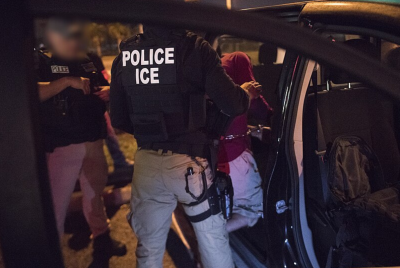
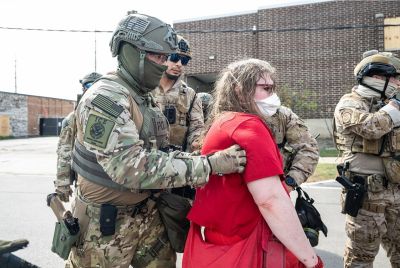
'They Might Torture You': 300+ South Koreans File Claims Against Trump Admin Over Georgia Raid Alleging Unlawful Detention
The claims, a required step before any federal lawsuit, allege false imprisonment, poor detention conditions and unclear explanations during the September 2025 operation
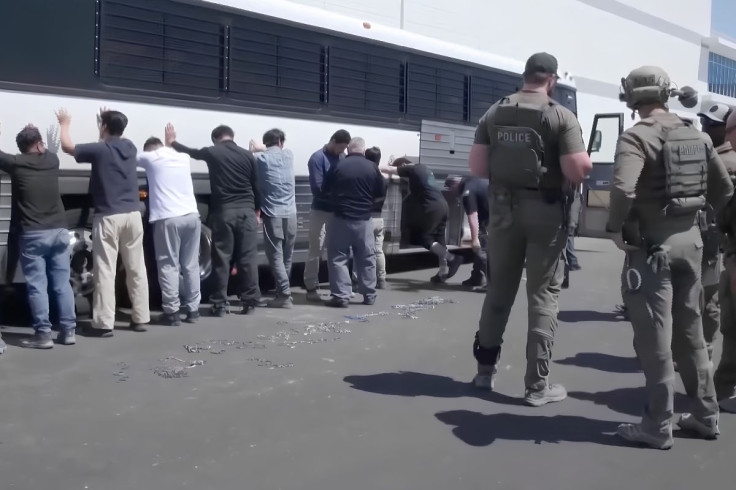
More than 300 South Korean workers detained during a 4 September 2025 immigration raid at the Hyundai-LG battery plant site in Ellabell, Georgia, have begun filing administrative claims against the Trump administration, alleging unlawful arrest and detention.
Authorities described the operation as the largest single-site enforcement action in Homeland Security Investigations history. The filings, a required step before any federal lawsuit, target nine federal agencies over the treatment of workers during and after the raid.
The workers were among 475 people detained when nearly 500 officers entered the site. One worker, identified by the surname Kim, alleges that an agent warned him, 'They might torture you,' after he questioned a voluntary-departure agreement.
Georgia Raid Claims Move Towards Federal Court
A Korean lawyer practising in Georgia who represents the workers told CNN that the first claim had been mailed and that she plans to complete filings for more than 300 workers by year-end.
The claims name agencies including the Department of Homeland Security, Immigration and Customs Enforcement, Customs and Border Protection, the FBI and the Departments of Justice and Labor.
Kim's claim says he was held for seven days and subjected to 'demeaning living conditions'. It alleges false imprisonment, abuse of process and intentional infliction of emotional distress, while seeking damages for confiscated property, lost work and psychological harm. The lawyer declined to disclose the amount sought.
Authorities described the operation as the largest single-site enforcement action in Homeland Security Investigations history. A search warrant identified four target individuals, none of them Korean workers.
Several detainees said they were not given clear explanations or Korean interpreters and were asked to sign documents they did not understand. Kim said workers were shackled before being transported to a detention centre in Folkston, Georgia.
Georgia Raid Dispute Centres on Visa Status
DHS told CNN that ICE had executed a judicial search warrant as part of an ongoing criminal investigation into alleged unlawful employment practices and other federal crimes. CBP pointed to a September 2025 statement saying those arrested were found to be working illegally or in breach of visa conditions.
Homeland Security Investigations official Steven Schrank said those detained were suspected of living or working illegally in the US.
Four workers disputed that characterisation, saying they held valid visas and were not told why they were arrested.
Some workers later returned to the United States on the same visas and resumed similar technical work.
CBP said admission decisions are made case by case and that holding a non-immigrant visa or approved ESTA does not guarantee entry.
Georgia Raid Claims Could Force Agency Answers
The claims were filed under the Federal Tort Claims Act. Stanford law professor Nora Engstrom said that the process could lead to compensation and require the government to explain why the workers were detained and whether officers followed agency policy.
If DHS does not act on a claim within six months, the claimant can pursue the matter in federal court. Northwestern law professor James E. Pfander said each worker must exhaust individual administrative remedies before suing.
The Hyundai Metaplant includes Hyundai's electric-vehicle operation and the battery plant developed with LG. The battery facility is now complete, with commercial production beginning in April, according to the joint venture HLBMA.
LG Energy Solution told CNN it prioritises compliance with US law and deploys specialists only temporarily while plants are being established. Workers said specialised assignments remain part of their jobs despite anxiety after the Georgia raid.
Jung, a software engineer who later returned to the United States for equipment work, said the work remains his livelihood. 'Even though I'm still scared,' he said, 'I have no choice but to go.'
© Copyright IBTimes 2026. All rights reserved.
- Recommended For You