

Bird Flu Mink Farm Scandal: Utah Officials Kept Outbreak Quiet To Protect Private Fur Farm as Experts Warn of Pandemic Risks
Internal records raise concerns over transparency, limited surveillance and viral evolution among mink
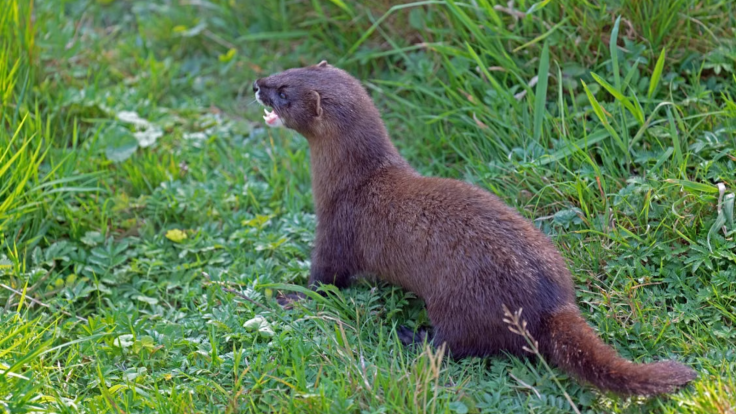
Utah officials kept information about a bird flu outbreak at a private mink farm under tighter restrictions than other livestock outbreaks, with internal communications revealing concerns that declaring an emergency could alert animal rights groups.
The response has raised questions about transparency and disease surveillance, as experts warn that the virus' evolution and the absence of active testing could leave further infections undetected.
Officials Feared Alerting Animal Rights Groups
The outbreak came to wider attention after the US Department of Agriculture (USDA) updated its bird flu dashboard to show that seven captive mink had tested positive in Utah. Public records obtained by the Animal Welfare Institute revealed that officials discussed keeping the outbreak confidential, with one message warning that an emergency declaration 'may alert animal rights groups.'
A state health department spokesperson said the approach was consistent with existing protocols and that local health officials had been informed. However, a spokesperson for the Utah County Health Department told ProPublica that the outbreak would be news to her.
Veterinarian Relied on Conversations with Farm Owner
Utah state veterinarian Amanda Price said she had not visited the property, explaining that she had relied on Google Maps and conversations with the owner and the farm's veterinarian.
Price said she was confident the virus would not spread beyond the farm because mink were not regularly moved on and off the premises. Instead of imposing a formal quarantine, she issued a verbal restriction preventing mink, manure and carcasses from being moved off the property.
However, experts questioned whether the absence of reported cases elsewhere demonstrated that the outbreak was contained. Erin Sorrell of the Johns Hopkins Center for Health Security said the lack of active surveillance made it difficult to rule out further infections.
Experts Warn About Mutations and Pandemic Risks
The concerns centre on the possibility that continued transmission among mink could allow the H5N1 virus to accumulate mutations. Mink have respiratory cell receptors similar to those found in humans, raising concerns that the animals could provide an environment in which the virus adapts. However, scientists have not established that the Utah outbreak will produce a strain capable of sustained human-to-human transmission.
John Korslund, a retired USDA official who helped coordinate responses to COVID-19 outbreaks on mink farms, called for newer genetic samples to be examined to establish how the virus had evolved.
The outbreak has continued, although farm owner Fenn told ProPublica that infections were spreading more slowly. He said he did not wear a mask despite the infections among his animals.
No Clear Federal Plan for Mink Vaccination or Culling
Unlike poultry farms, where bird flu can trigger mandatory culling and compensation, mink farms lack a dedicated federal response programme. The USDA said specific congressional funding would be needed to establish a programme for depopulating mink.
Finland and Spain previously culled mink at affected fur farms, but Utah officials did not take the same approach. Price sought information about a possible vaccine, but no dedicated programme for vaccinating mink was available.
The outbreak has renewed scrutiny of the fur industry as animal welfare advocates push for legislation to phase out mink farming. Meanwhile, experts continue to call for closer monitoring of the virus and its potential risks to people exposed to infected animals.
© Copyright IBTimes 2026. All rights reserved.