

'Ammonia Is No Joke': Oregon Seafood Plant Inferno Forces One-Mile Evacuation As Toxic Smoke Blankets Newport
The blaze at Pacific Seafood in Newport sent heavy smoke into the air, but officials later said intact ammonia tanks posed no continuing contamination threat
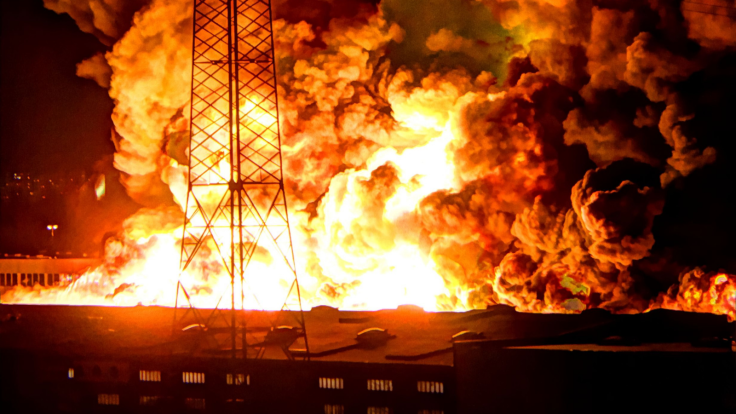
A fire at a seafood processing plant in Newport, Oregon, prompted authorities to order evacuations within a one-mile radius after concerns that an ammonia leak could expose nearby residents and workers to dangerous fumes.
According to a report from NBC News, emergency crews responded to the blaze at Pacific Seafood in the city's Bayfront neighbourhood shortly before 09:00 on Sunday. Officials later said there was no ongoing threat of ammonia contamination after firefighters and hazardous materials teams secured the tanks.
The fire broke out in a freezer facility used to store seafood and did not spread to the main plant, according to city spokesperson John Fuller. Heavy smoke continued to rise from the building as crews worked to contain the blaze.
One-Mile Evacuation Over Suspected Chemical Leak
Authorities initially issued a Level 3 evacuation order for people within one mile of the facility, describing the area as facing 'extreme danger'. The city said the evacuation was a precaution against the possibility of a larger leak or spill.
Newport Fire Chief Rob Murphy said trace amounts of ammonia had initially been detected, but an assessment later found no continuing risk of exposure.
According to NBC News, the state fire marshal located an ammonia tank that did not appear to have been punctured or leaking. Murphy said the tanks remained intact and the material inside was stable.
By 16:00 local time, officials said there was no further threat of ammonia contamination. Smoke from the still-burning fire remained the main environmental concern, and a smaller evacuation zone was maintained around the site.
A shelter was established at Atonement Lutheran Church for people displaced by the emergency.
Fuller said approximately 30 to 40 people were in or near the facility when the fire started. No injuries had been reported among the public or plant workers at the time of the update, although one firefighter was treated for exhaustion.
Pacific Seafood said it expected the fire to cause major losses. The company said all its employees at the site had been accounted for and that it would work with public safety officials to investigate the cause and assess potential hazards.
Online Reaction Highlights Fear Over Ammonia
The fire and evacuation prompted concern on X, where users highlighted the potential dangers of ammonia exposure and the importance of protecting workers and nearby residents.
User @Nes218 warned people against approaching the scene to record videos, writing: 'Ammonia is no joke ... one good breath of that stuff and your lungs are on fire.' The user also expressed hope that everyone working at the plant had escaped safely.
Another commenter, user @giveu2tictacs, raised concerns about the potential interaction between ammonia and the damp coastal environment. However, the comment's technical claims were not independently verified and should not be treated as facts.
Others focused on the surrounding area. User @beerhamwa expressed concern about sea lions near the facility, while user @grumpy_woof pointed out that nearby attractions and businesses could also be affected by the emergency.
These comments reflect public concern about the potential consequences of the fire, but they do not establish that nearby wildlife was harmed or that ammonia continued to leak. Officials later said the tanks were intact and that there was no ongoing threat of ammonia contamination, although smoke remained a concern.
How Dangerous Is Ammonia Exposure?
Ammonia is a colourless chemical used in industrial processes and products such as fertilisers. It can exist as a gas or liquid and has a strong, pungent smell.
According to the US Centers for Disease Control and Prevention (CDC), exposure to high concentrations can irritate or burn the eyes, skin, throat and lungs. Severe exposure can cause serious lung damage and may be fatal.
Possible symptoms include coughing, a burning sensation in the eyes or throat, nausea, vomiting, abdominal pain, and skin redness or blisters. People with asthma or other chronic lung conditions may be more sensitive to inhaled ammonia.
The absence of an ongoing leak at the Newport plant was reassuring, but smoke itself can irritate the respiratory system. Residents should continue to follow instructions from local emergency services during a fire or chemical incident.
What To Do After Possible Chemical Exposure
The CDC advises people who suspect an outdoor ammonia release to move away from the affected area. If officials advise sheltering indoors, close windows and doors and turn off ventilation systems that could draw outside air inside. Follow evacuation instructions if authorities tell you to leave.
Anyone experiencing breathing difficulties, severe coughing, eye pain, or other concerning symptoms after suspected chemical exposure should seek urgent medical assistance.
If ammonia contacts the skin or eyes, the CDC recommends removing contaminated clothing and rinsing the affected area with plenty of lukewarm water. Eyes that are burning or experiencing vision problems should be rinsed for 10 to 15 minutes. Do not scrub the skin, and do not delay seeking professional help after significant exposure.
The CDC also warns against mixing household ammonia with other cleaning products, as dangerous gases can be released. People should not approach a suspected chemical release or rely on ordinary face masks for protection; they should follow instructions from emergency services.
Community Awaits Answers as Probe Continues
Newport Mayor Jan Kaplan described Pacific Seafood as an important employer and contributor to the local economy. The company said it was devastated by the fire and thanked emergency responders for protecting workers and the surrounding community.
The cause of the blaze had not been established in the supplied report. Officials said they would continue assessing hazards while crews dealt with the remaining fire and smoke.
The incident highlights why precautionary evacuations can be necessary when a fire threatens industrial chemical storage, even if a major leak is ultimately avoided. Authorities said the ammonia tanks were intact, but residents were still urged to heed local safety guidance while the emergency response continued.
© Copyright IBTimes 2026. All rights reserved.