

Who Is Olivia Nuzzi? Political Journalist Whose Memoir Alleges Digital Relationship With Robert F. Kennedy Jr.
American Canto offers a personal account that collides with public denials and court filings
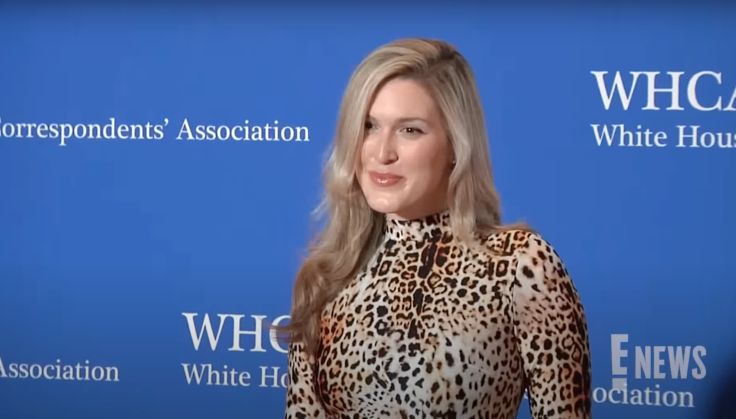
Olivia Nuzzi's new memoir has detonated across American media as it recast a rising political reporter's fall from grace in a story of passion, professional peril, and digital intimacy.
The 320-page memoir, American Canto, walks readers through Nuzzi's rise in political journalism and a rather personal affair that cost her a Washington correspondence post and provoked a messy public divorce with her then-fiancé, Ryan Lizza.
The book refers obliquely to 'the politician' at its centre and offers an account of an emotional and largely digital relationship that Nuzzi says was never physical but that she acknowledges should have been disclosed to editors.
A Brief Career Before the Storm
Olivia Nuzzi built a reputation as a vivid political reporter, a profile writer who could get inside campaigns and capture idiosyncratic detail, rising through New York magazine before a leave of absence in September 2024.
Her profile of Robert F. Kennedy Jr. in November 2023 is now the fulcrum of the controversy, because Nuzzi later told editors she had engaged in 'a personal relationship' with a reporting subject that began after the piece ran. New York magazine's internal review said it found 'no inaccuracies nor evidence of bias' in her reporting but concluded that the relationship created an appearance of conflict.

The memoir's publisher bills American Canto as a hybrid of national-political reckoning and personal history; the hardcover list price is £22.47 ($30). The book's release has been accompanied by sharp reviews and bruising coverage that interrogates both Nuzzi's choices and newsroom standards.
What the Memoir Alleges — and What Kennedy's Camp Says
Nuzzi's account is intimate and partial: she uses poetic fragments and a veil of fictional naming but plainly recounts texts and conversations she says were charged and consequential. She writes of promises, confessions, and a relationship that she characterises as emotional and digital; she repeatedly frames the episode as a mistake that should have been disclosed to avoid conflict.
Robert F. Kennedy Jr.'s representatives have repeatedly denied a sustained relationship. In 2024, a spokesperson said: 'Mr. Kennedy only met Olivia Nuzzi once in his life for an interview she requested, which yielded a hit piece.'
A person with direct knowledge of the matter says the relationship between Nuzzi and RFK Jr. was emotional and digital in nature, not physical. Both sides have also said on the record that it was never physical in nature. https://t.co/EZPNe9MJNs
— Brian Stelter (@brianstelter) September 20, 2024
That denial has been reiterated in subsequent coverage, even as Nuzzi's memoir and other reporting sketch a different texture: insiders quoted on social media and in press threads describe the bond as largely digital and emotional rather than bodily.
The contrast between Nuzzi's textual memoir and Kennedy's short denials is the core evidentiary tension. Where Kennedy's camp offers a terse public line, Nuzzi supplies extended interior detail. Independent readers and newsroom editors are left to weigh a book's subjective recollections against a public denial and contemporaneous reporting.
The Legal and Personal Aftermath
The public fallout extended beyond reputational damage. After the revelation in September 2024, Nuzzi filed, and later withdrew, a petition for a civil protective order against her then-fiancé, Ryan Lizza, alleging harassment and blackmail; court filings and subsequent hearings drew further attention to private exchanges between two prominent journalists.
Lizza vigorously denied the allegations in court documents, describing Nuzzi's claims as 'defamatory lies' and mounting his own public rebuttal. The protective-order petition was withdrawn in November 2024.
In 2025, Lizza published a multipart series on Substack alleging deeper improprieties and, in turn, prompting fresh waves of coverage. Vanity Fair, which had hired Nuzzi as West Coast editor in 2025, announced late in the year that its contract with her would not be renewed amid the continuing controversy.
Olivia Nuzzi's story, as told in American Canto, is part personal reckoning and part cautionary tale about the porous borders between private longing and public duty in 21st-century media.
© Copyright IBTimes 2026. All rights reserved.