

Economist Calls for Every American Adult To Receive $100,000 To Slash Mortgages and Household Debt
Steve Keen's radical proposal aims to cut debt instead of bailing out banks
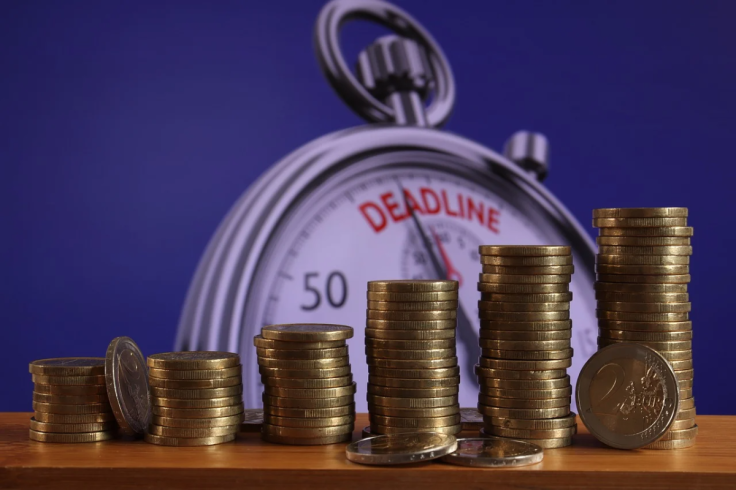
America's mounting household debt has sparked a bold proposal that could completely reshape the country's financial system. Economist Steve Keen has suggested giving every American adult $100,000 (£74,300) through a government funded programme designed to pay down mortgages and other personal debts.
He argues the plan, which he calls a 'modern debt jubilee', would help families struggling with rising borrowing costs while reducing the risk of a much larger economic crisis.
Steve Keen Says Household Debt Is the Real Economic Threat
Speaking during a recent podcast, Keen argued that private debt, rather than government borrowing, represents the biggest danger facing the US economy.
He claimed mainstream economists have spent decades focusing on public debt while overlooking what he believes causes financial crashes.
'The main problem in America is too much private debt. It's not the government debt that matters,' Keen said during the interview.
According to Keen, rising household debt has left millions of Americans vulnerable to economic shocks, particularly if higher oil prices continue to squeeze family budgets. He warned that people could soon struggle to keep up with mortgage payments and other financial obligations, potentially triggering a wave of bankruptcies.
The economist also supported lowering interest rates, agreeing with President Donald Trump on that specific issue.
The $100,000 Plan Would Focus on Paying off Debt
Under the plan, every American adult would receive $100,000 created by the government. However, anyone carrying debt would be required to use the money to pay down their loans before spending any remaining balance.
For example, Keen explained that a household with two adults would receive $200,000 (£148,600). If the family owed $250,000 (£185,800) on their mortgage, they would immediately reduce the outstanding balance to just $50,000 (£37,200).
'The government can create money and gives every American adult a hundred thousand dollars,' Keen said. 'If you have debt you must pay the debt down.'
He argued that reducing debt in this way would leave households with lower monthly repayments while protecting them if house prices later declined.
The podcast host described the proposal as 'a form of quantitative easing for individuals, not corporations', a summary Keen agreed was 'a reasonable way to put it'.
Banks and Property Market Would Face Major Changes
According to Keen, financial institutions should return to funding entrepreneurs instead of speculative investments.
He also proposed limiting mortgage lending based on a property's rental value rather than a buyer's income. In his view, that change would make housing bubbles far less likely.
'Housing bubbles' driven by expanding household debt have repeatedly pushed prices beyond what ordinary families can afford, he argued.
Keen acknowledged that such reforms would almost certainly reduce house values, potentially leaving many homeowners with less valuable properties.
Economist Admits His Radical Proposal Is Unlikely
Despite strongly defending his ideas, Keen admitted he does not expect governments to adopt them.
'I have no doubt my ideas will never get tried,' he said during the discussion.
Even so, he insisted America must confront soaring household debt before affordability deteriorates further.
The economist argued that younger adults are increasingly unable to buy homes, start families or build long-term financial security because too much income is being diverted towards servicing debt.
While many economists would likely challenge both the practicality and cost of distributing $100,000 to every adult, Keen believes dramatic action is necessary to prevent future crises.
© Copyright IBTimes 2026. All rights reserved.