

10 Photos Of The 'Renaissance Beauty' Woman Sparking Online War As Trolls Refuse To Accept Her Natural Looks
Admired for classical features but criticised for AI collaborations, the woman faces a digital storm highlighting social media's power and perils

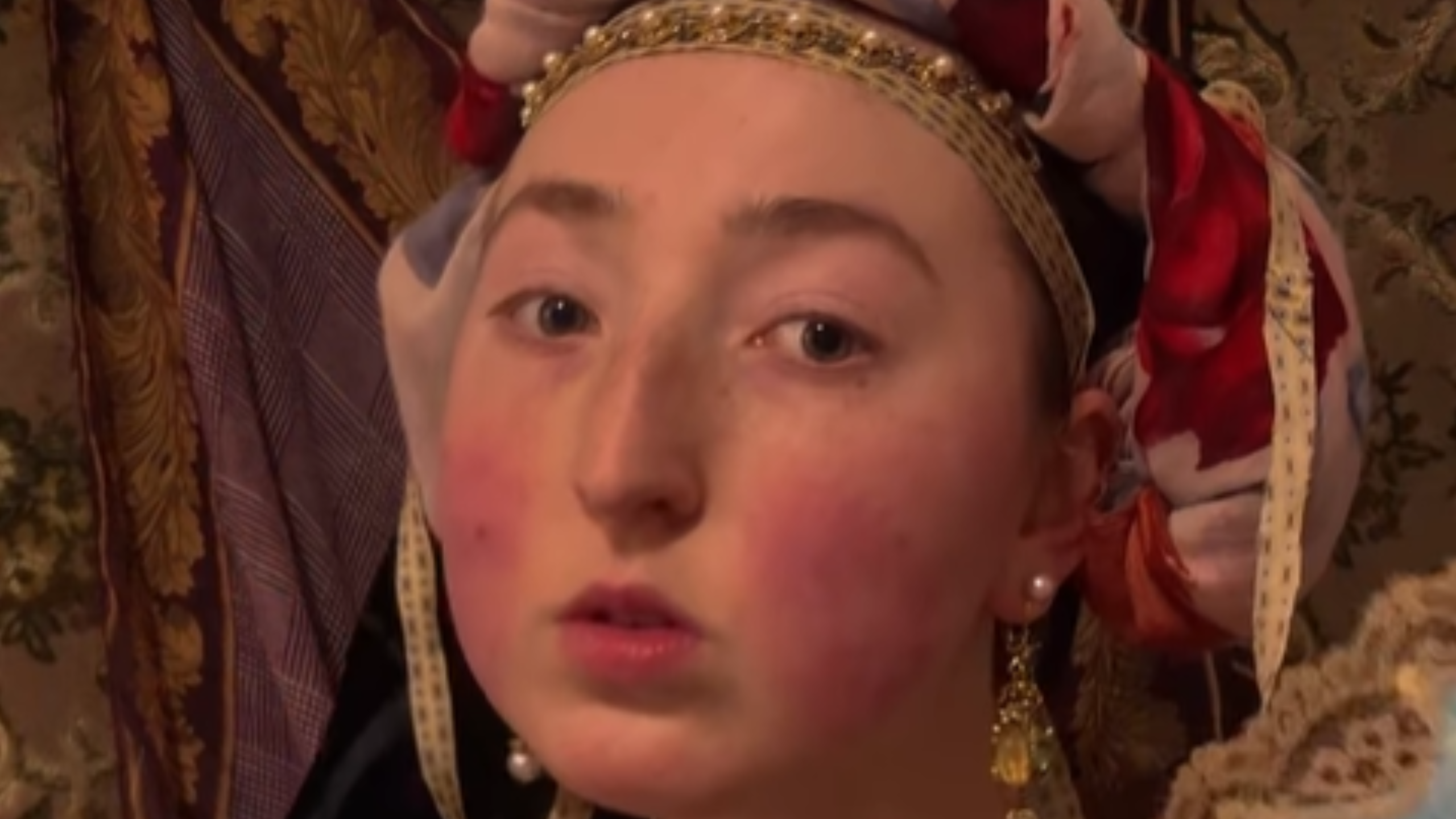
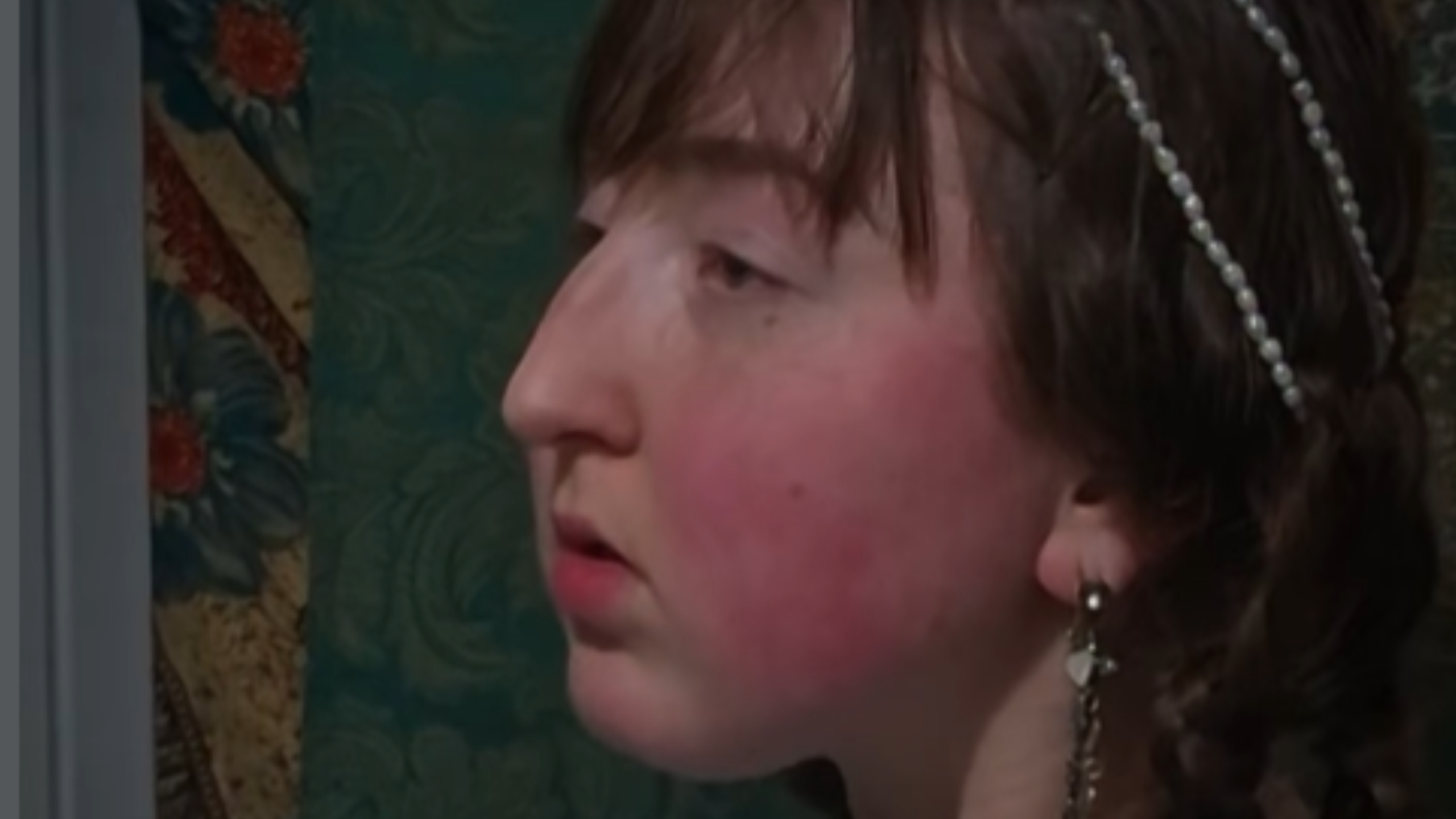
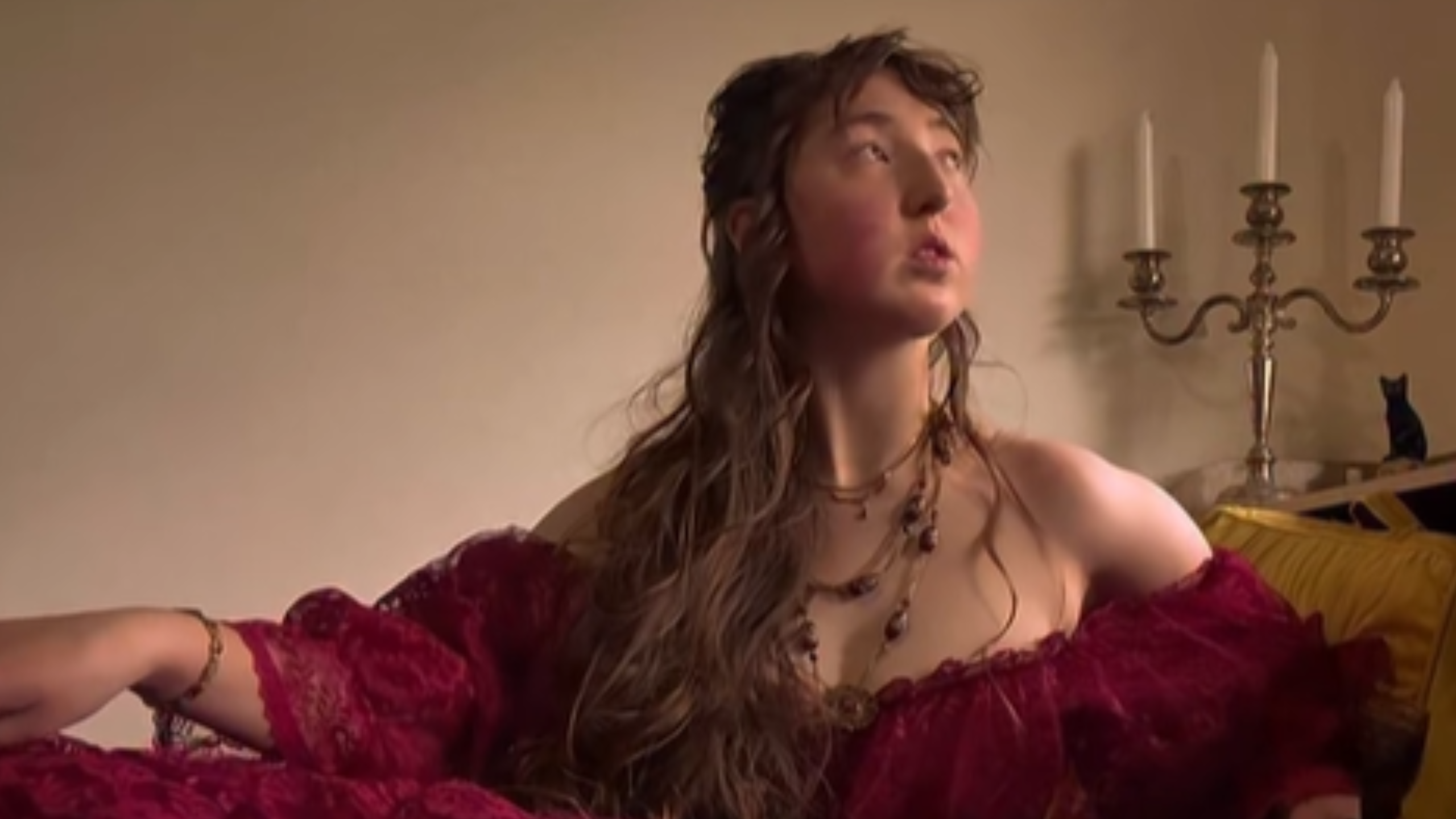
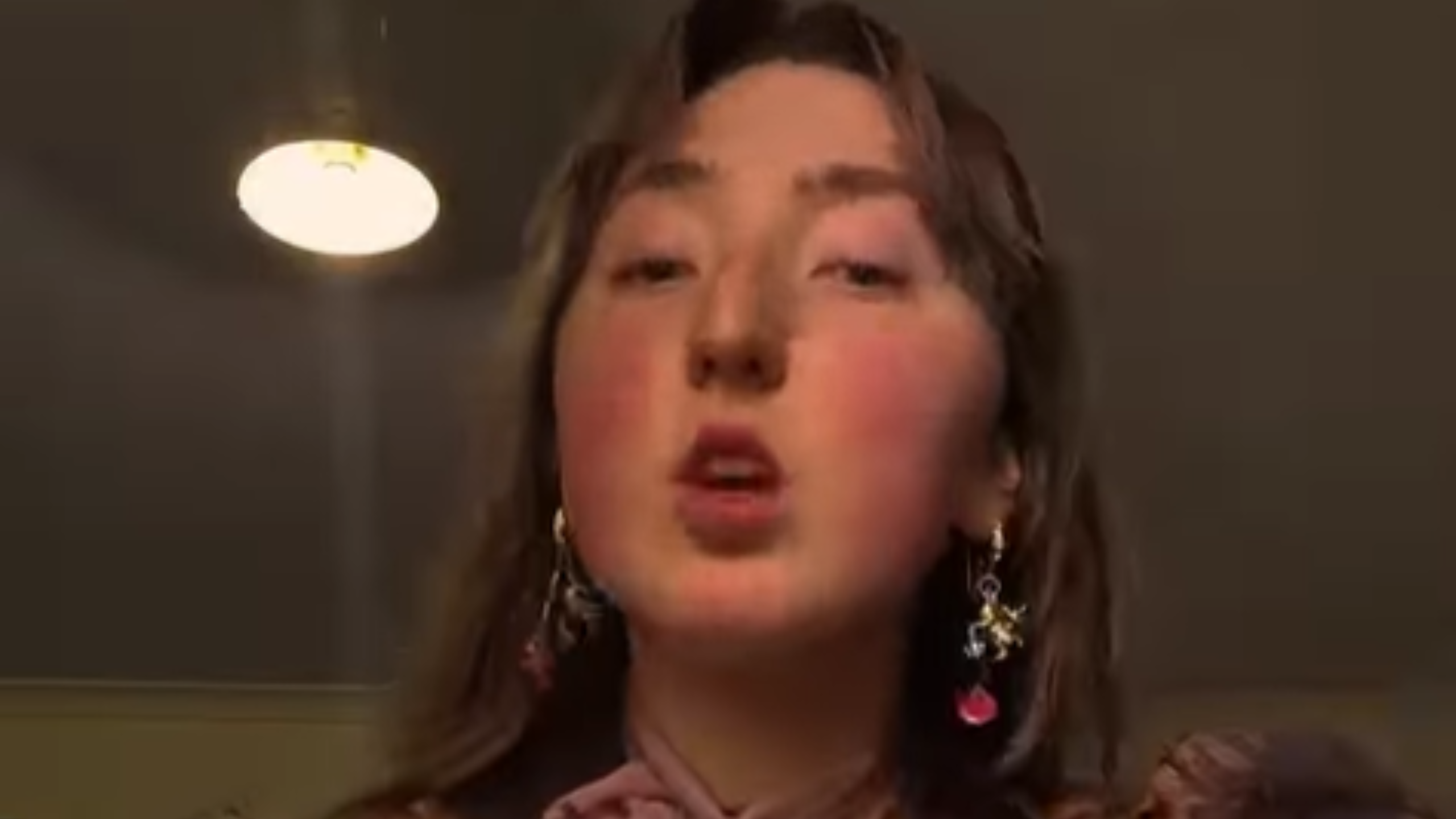
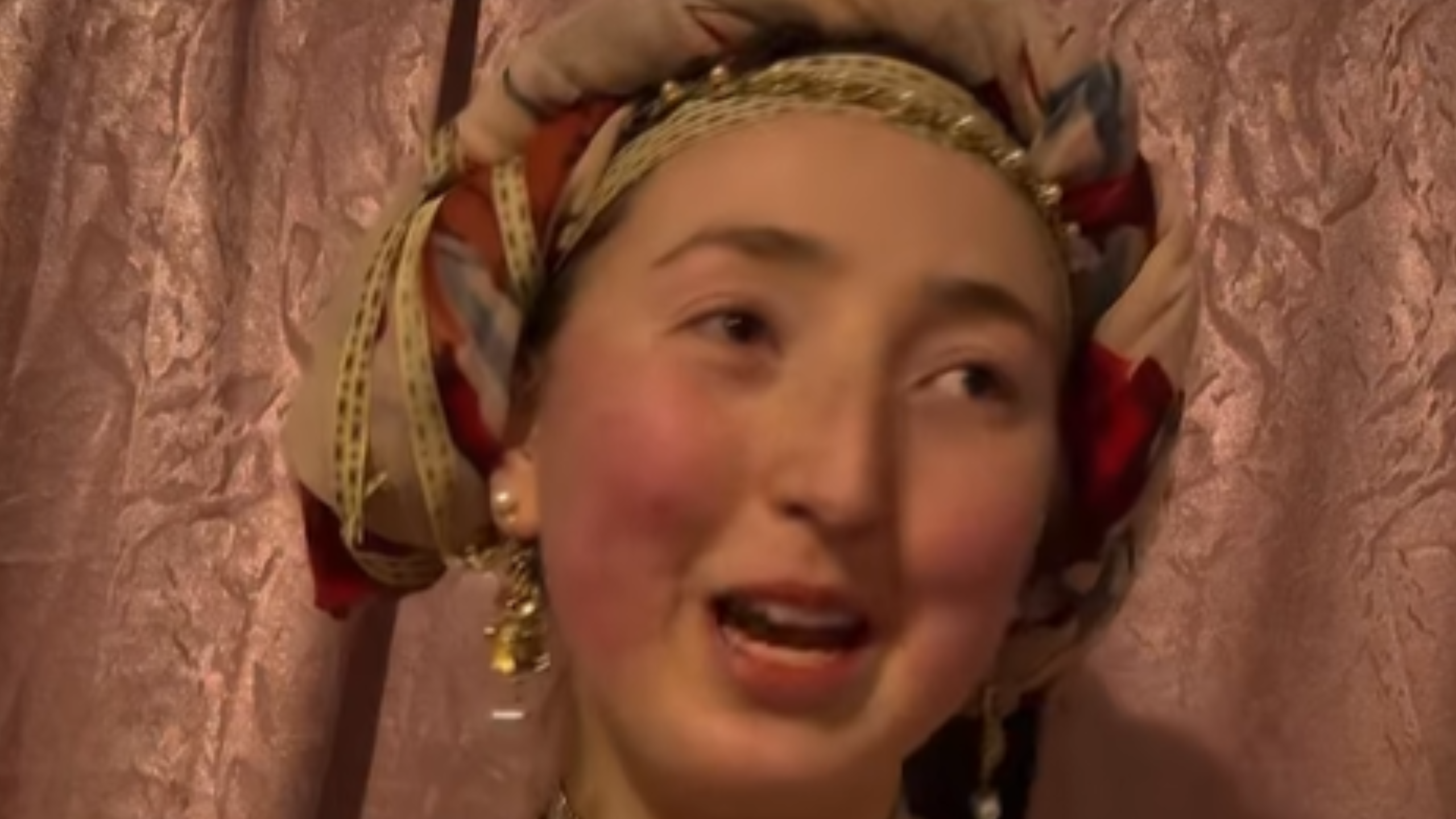
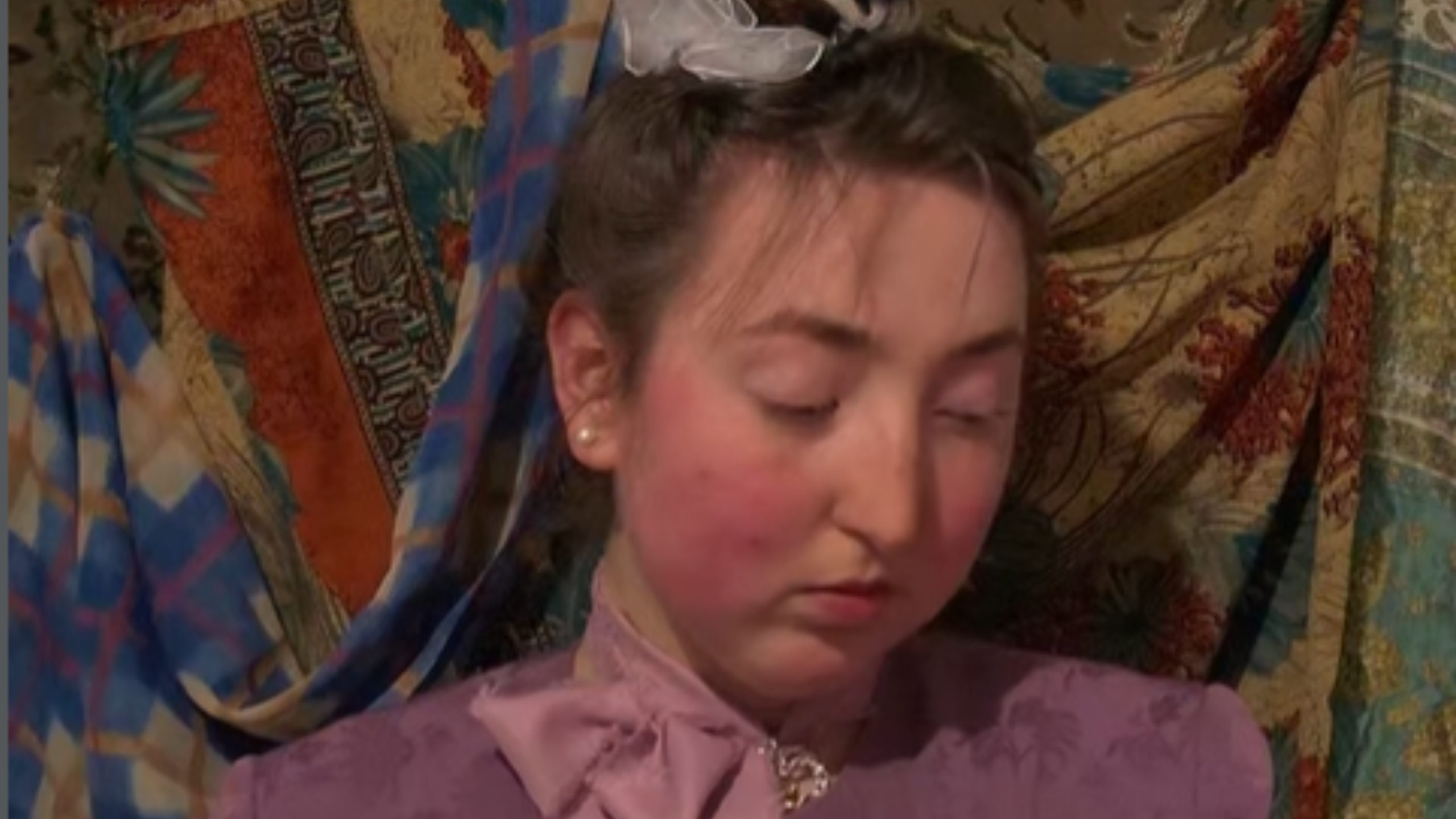
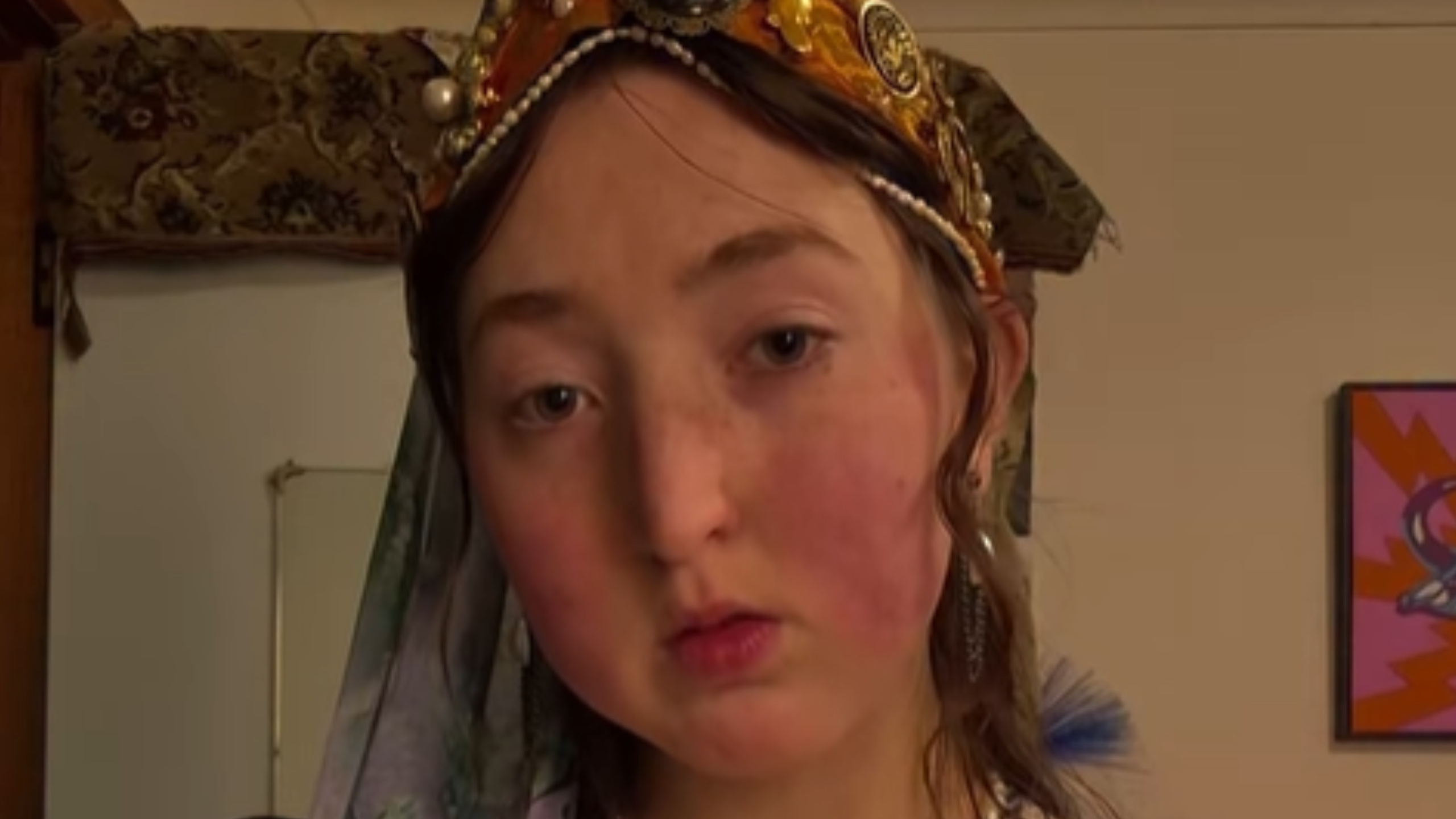
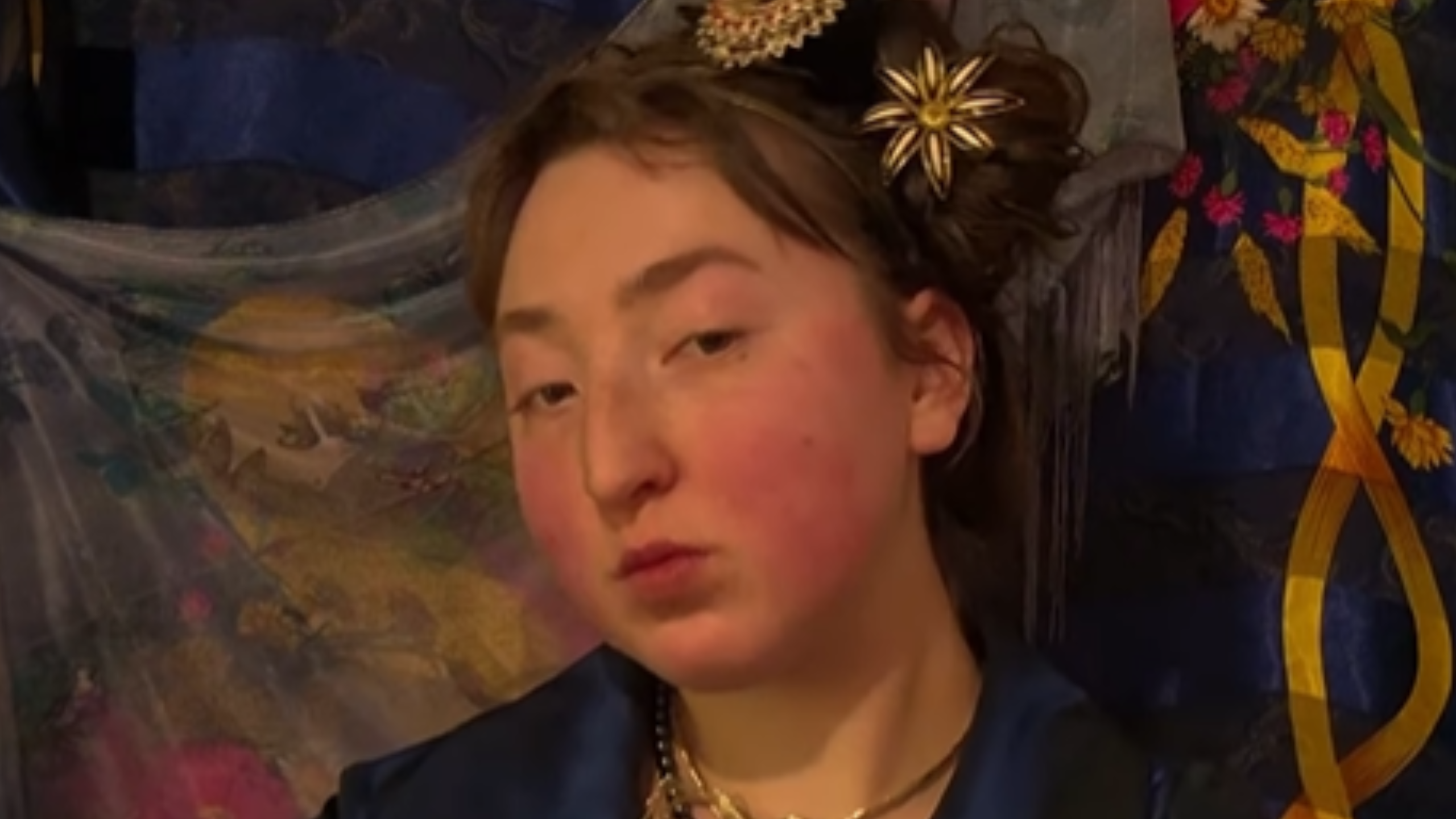
The internet never sleeps, and neither do the opinions it generates. A woman recently dubbed a 'Renaissance beauty' has ignited a storm online, with admirers praising her classical features and critics accusing her of deception and artistic betrayal. While some celebrate her natural elegance, others have launched scathing attacks, questioning her looks and motives, turning social media into a battleground over aesthetics, ethics, and authenticity.
Admired As A Modern-Day Muse
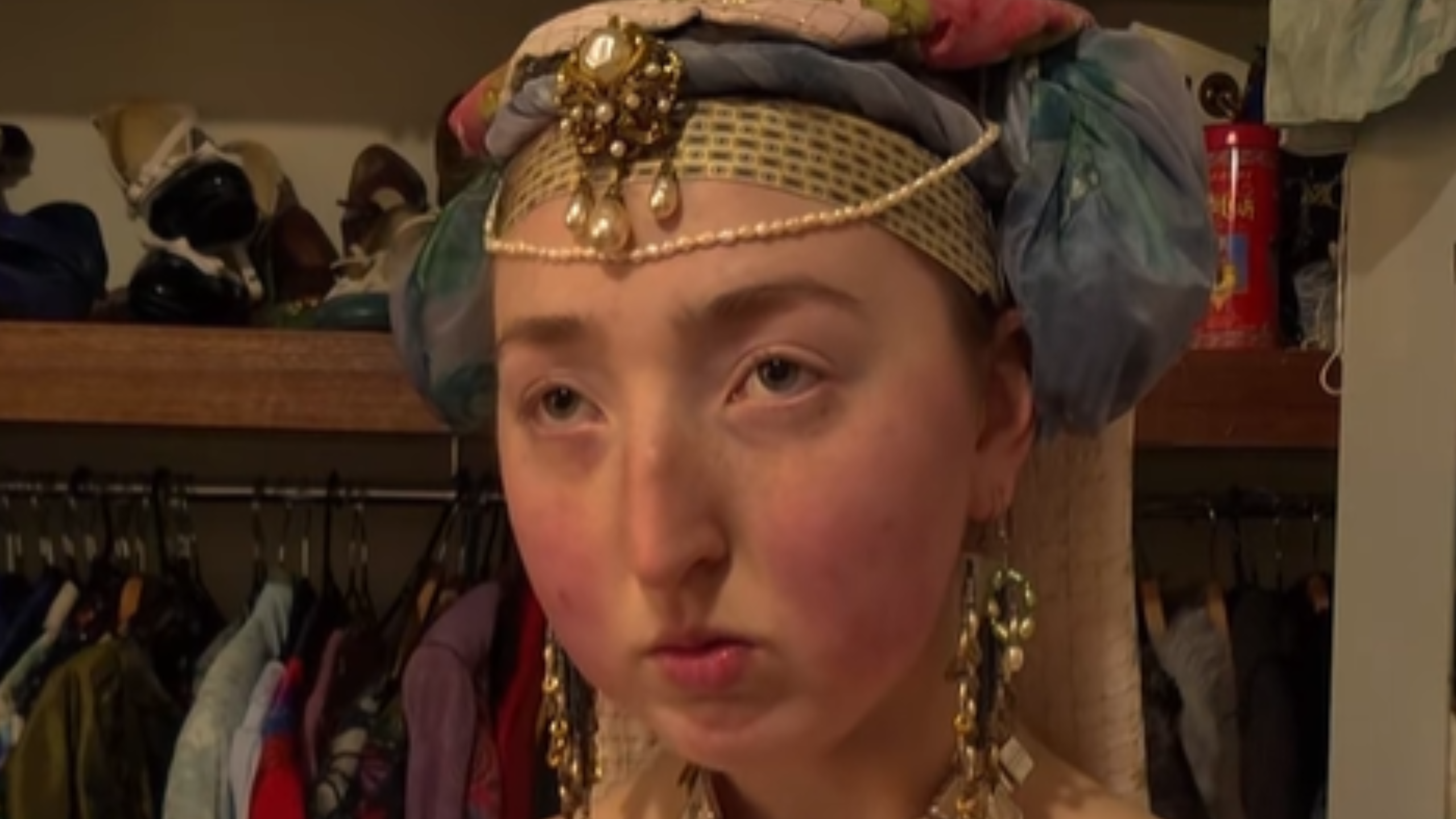
Social media users have been captivated by the woman's striking appearance, which many compare to the serene figures of Renaissance paintings. Fans have called her features 'timeless' and 'angelic', claiming her classical beauty is a rare spectacle in an era dominated by heavily altered faces. Admiration for her natural look has spread across platforms like Instagram and TikTok, with thousands of digital artists creating portraits of her for free, praising her as an inspiring muse and a throwback to a bygone artistic age.
The public adoration, however, has not remained uncontested. The woman recently partnered with a major AI company, which led to accusations of exploiting artists who had freely contributed to her online persona. Critics argue that she effectively monetised the creative labour of illustrators who had depicted her likeness, branding the move as a betrayal. 'For over a year, artists illustrated her for free cos she was a beloved muse,' one commenter wrote. 'Then she turned around and partnered with Meta for AI art. A direct slap across the face of every artist who uplifted her.' The controversy has split opinions, raising broader questions about the ethics of AI in creative industries.
Backlash About Appearance And Identity
In addition to ethical concerns, the woman has faced personal attacks targeting her looks and character. Trolls have dismissed her Renaissance comparisons as exaggeration, and some have even resorted to cruel comments about her heritage and appearance. Comments like 'a face this Renaissance and she looks inbred' and 'she's literally ugly' have proliferated, highlighting the vitriol that can emerge when public admiration turns sour. The backlash is intensified by claims that the woman holds controversial personal views, further polarising audiences and fuelling online warfare over both image and ideology.
she’s literally ugly https://t.co/YS82DaAmo4
— ❤️🔥 G A W D ❤️🔥 (@_benjvmins_) December 12, 2025
O damn see I was gonna come defend her funny looking ass bc I don’t really believe in judging ppl based on looks and fr fr everybody’s beautiful in some way but yeah…fxck her
— blikki giovanni (@hiphoplkair) December 12, 2025
If you see this racist ass girl, immediately block her. For over a year, artists illustrated her for free cos she was a 'beloved' muse. Then she turned around & partnered with Meta for AI “art.” A direct slap across the face of every artist who uplifted her. https://t.co/ryO4N1fF0x
— 𝚏𝚊𝚛𝚡𝚒𝚢𝚘. (@hausofriya) December 12, 2025
she’s a terrible person btw https://t.co/xXAib9UFkS pic.twitter.com/M5t1kLHTCI
— 9378 (@93nih) December 12, 2025
The Peril Of Internet Fame
This incident exemplifies the dual nature of online attention. On one hand, the internet has allowed individuals to be celebrated for their unique beauty and artistic appeal. On the other, it has amplified scrutiny, criticism, and accusations in ways that were impossible before social media. Artists, fans, and critics alike are now entwined in a debate about authenticity, respect for creative work, and the responsibilities of public figures. While some defend the woman's right to leverage her own image, others see her choices as symptomatic of broader ethical dilemmas in the digital age.
The 'Renaissance beauty' saga demonstrates that viral fame is never straightforward. Admiration, envy, ethical questions, and personal attacks collide in the digital arena, making it clear that in today's social media world, being beautiful is only part of the story and being human is still complicated.
© Copyright IBTimes 2025. All rights reserved.
- Recommended For You


